Tel
Email
whatsapp
Top

Air Filters: What You Need to Know

  • Home
  • News
  • Air Filters: What You Need to Know

Air Filters: What You Need to Know

Aug . 09, 2023

37010 - auto car engine oil filter

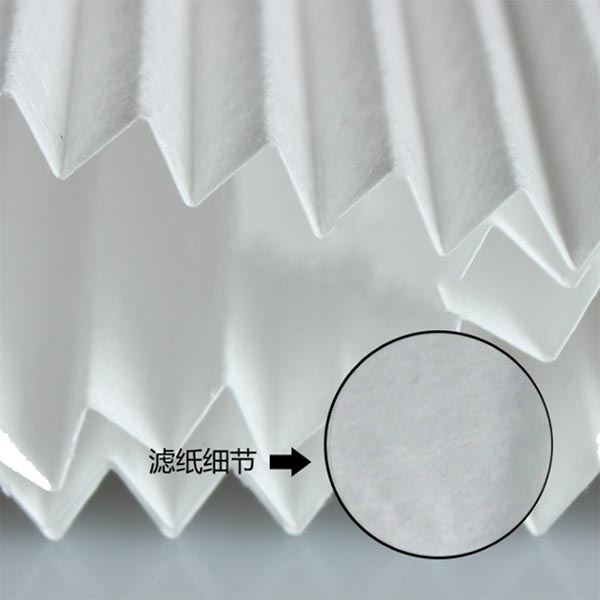
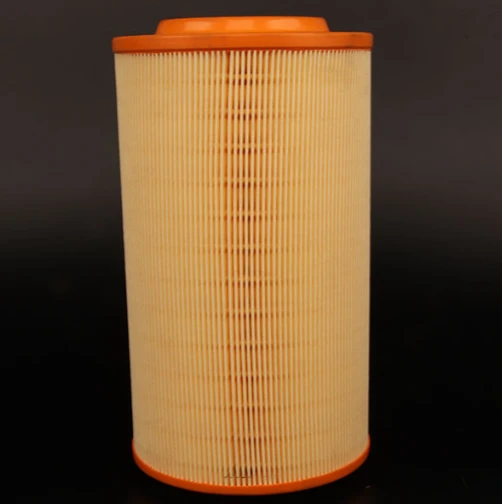
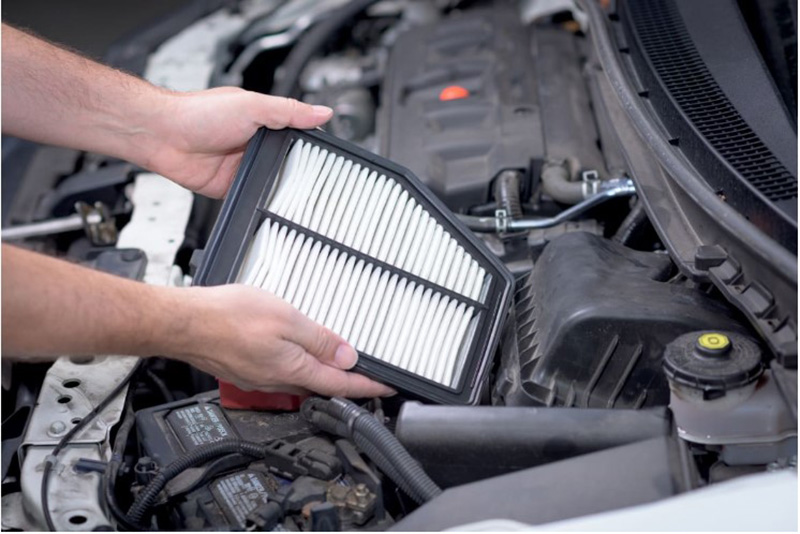
Air filters reside in the air-intake system, and they’re there to catch dirt and other particles before they can damage internal engine parts. Engine air filters are usually made of paper, although some are made of cotton or other materials, and they should be replaced according to your manufacturer’s maintenance schedule. Usually your mechanic will check the air filter whenever you get your oil changed, so get a good look to see how much dirt it has accumulated.

Most modern cars also have a cabin air filter that catches dirt, debris and some allergens in the air that goes through the heating, ventilation and air-conditioning systems. Cabin air filters also need periodic changing, sometimes more frequently than engine air filters.

How do I know when it’s time to replace my air filter?
How often should I replace my air filter?
How do I know when it’s time to replace my air filter?

You should change your air filter when it gets dirty enough to restrict airflow to the engine, which reduces acceleration. When that will happen depends on where and how much you drive, but you (or your mechanic) should check the engine air filter at least once per year. If you frequently drive in an urban area or in dusty conditions, you’ll probably need to change it more often than if you live in the country, where the air is typically cleaner and fresher. 

How do I know when it’s time to replace my air filter?

The filter cleans the air that goes into the engine, catching particles that could damage internal engine parts. Over time the filter will get dirty or clogged and restrict air flow. A dirty filter that restricts air flow will slow acceleration because the engine isn’t getting enough air. EPA tests concluded that a clogged filter will hurt acceleration more than it hurts fuel economy.

How often should I replace my air filter?

Many manufacturers recommend every two years but say it should happen more often if most of your driving is done in an urban area with heavy traffic and poor air quality, or if you drive in frequently dusty conditions. Air filters aren’t that expensive, so replacing them annually shouldn’t break the bank.


Post time: Jun-03-2019
 
 
  • High-Performance Hot Melt Adhesive for Automated Production Lines

    High-Performance Hot Melt Adhesive for Automated Production Lines

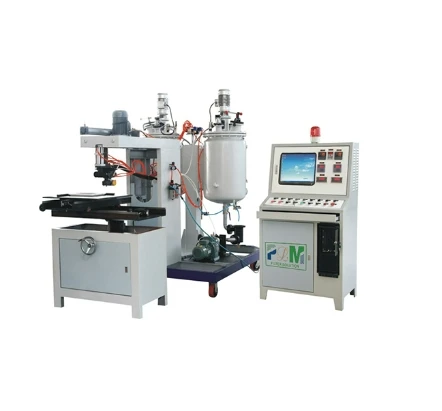
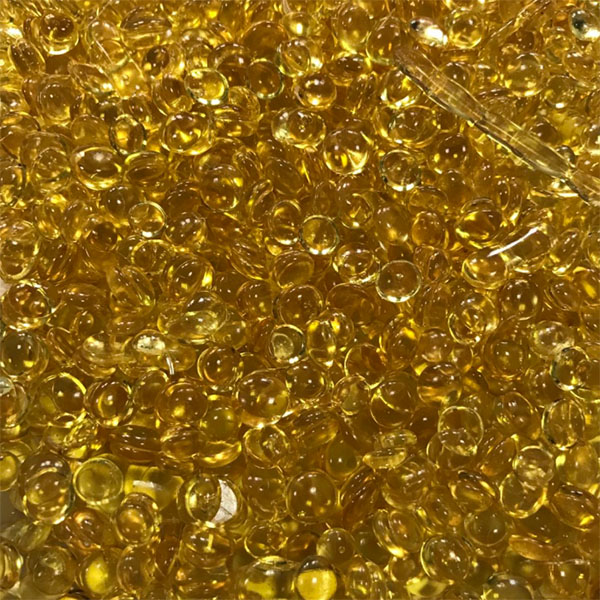
    High-performance hot melt adhesives for automated production lines provide fast, reliable bonding across plastics, metals, and composites. Ideal for electronics, automotive, packaging, and appliance manufacturing, they ensure high-speed assembly, consistent product quality, and durable adhesion. Combined with expert support from Leiman, these adhesives optimize efficiency and minimize downtime in modern industrial operations.
  • Toyota Air Filter Making Machine Solutions for Efficient Production

    Toyota Air Filter Making Machine Solutions for Efficient Production

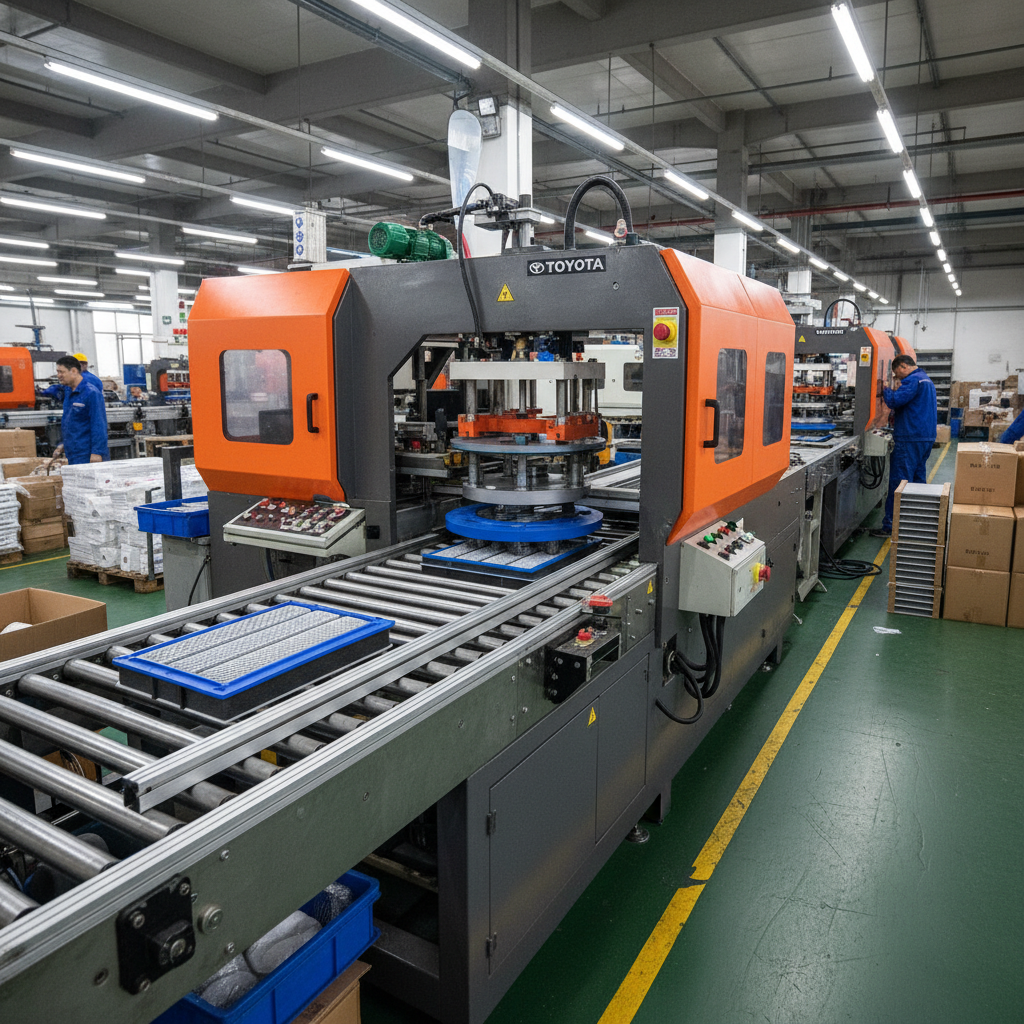
    The demand for high-quality air filters, especially for leading automotive brands like Toyota, is constantly growing. Manufacturing these filters efficiently and to precise specifications requires specialized equipment. This article delves into the world of toyota air filter making machine, exploring the technology, benefits, and considerations for businesses looking to streamline their production process. We will cover everything from machine types to key features, helping you make an informed decision to optimize your air filter manufacturing. The production of Toyota air filters involves a series of precise steps, including material feeding, pleating, sealing, and quality control. A dedicated toyota air filter making machine automates these processes, ensuring consistency and high output. These machines are designed to handle various filter media, such as paper, non-woven fabrics, and synthetic materials, adapting to the specific requirements of different Toyota models. Automation minimizes human error, reduces material waste, and significantly increases production capacity.
f_btn4

If you are interested in our products, you can choose to leave your information here, and we will be in touch with you shortly.