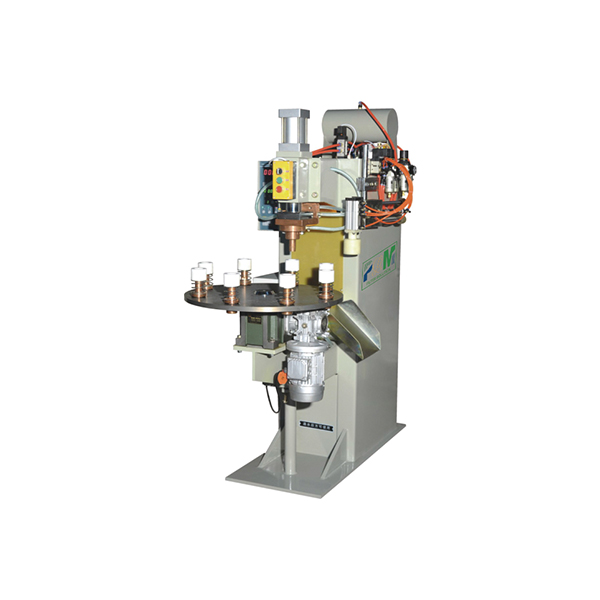
Myanmar's manufacturing sector is currently undergoing a transition from manual assembly to automated production. Due to the high dust levels in tropical climates and the growth of the automotive aftermarket, the demand for a reliable filter machine has surged to replace expensive imports with locally produced alternatives.
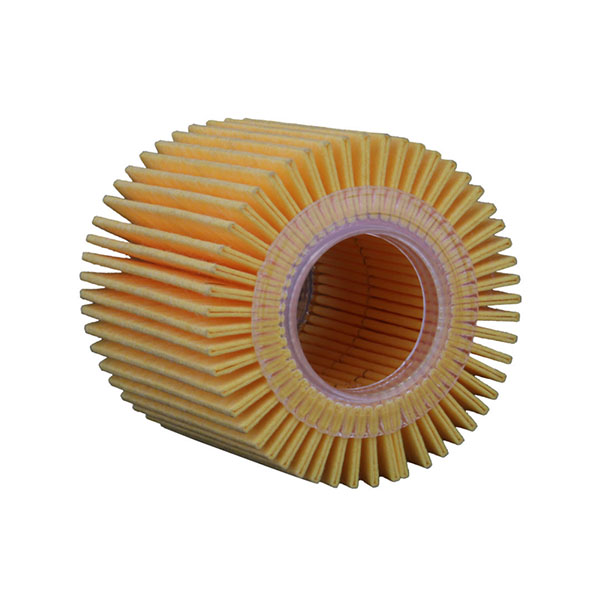
The regional economic focus on infrastructure and logistics has increased the wear and tear on heavy machinery. Consequently, the need for a professional spin-on oil filter machine has become critical for local workshops aiming to maintain engine longevity in harsh operating conditions.
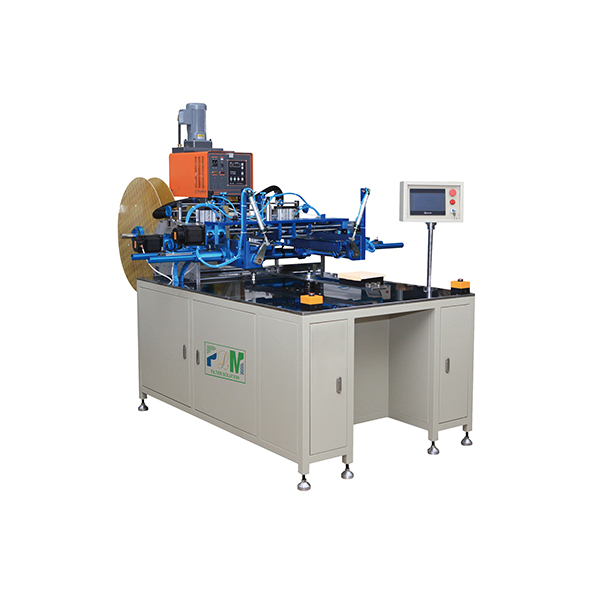
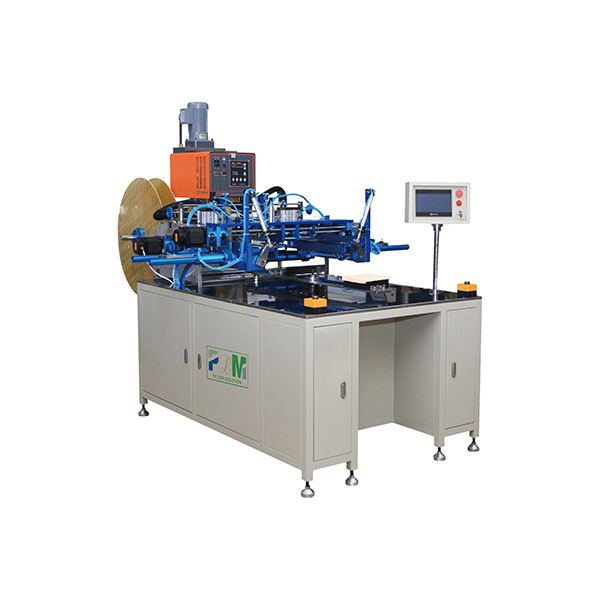
Despite challenges in energy stability, Myanmar's entrepreneurs are investing in integrated systems. The adoption of a precise bonding machine is now seen as a prerequisite for ensuring the structural integrity and leakage prevention of industrial filters produced within the country.