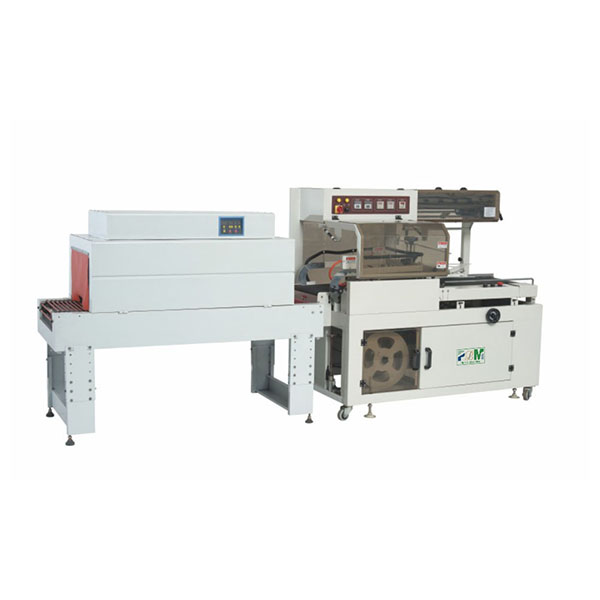
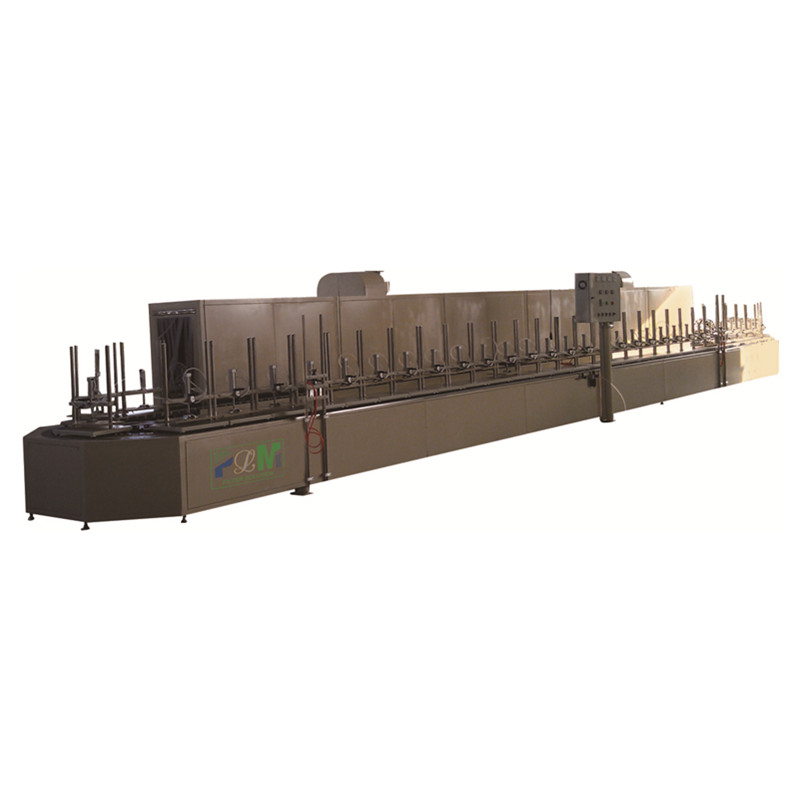
In Sri Lanka, the demand for high-quality filtration is driven by the automotive aftermarket and the growing industrial zones. However, the humid tropical climate poses significant challenges for material stability, necessitating the use of a specialized heating machine to ensure proper adhesive curing and moisture removal during the production process.
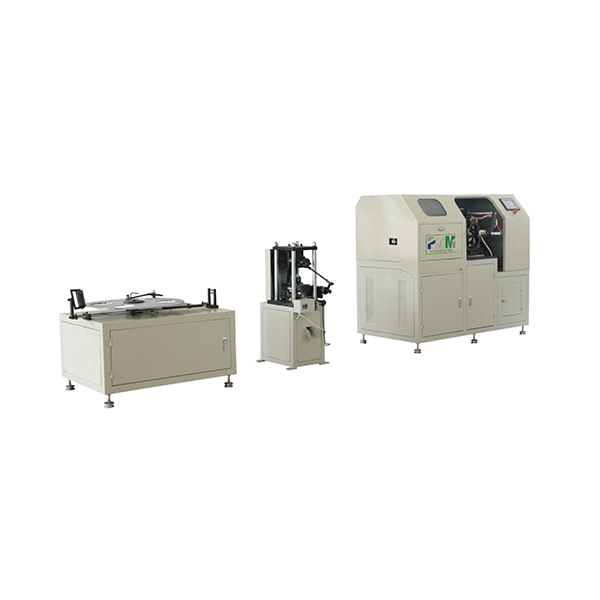
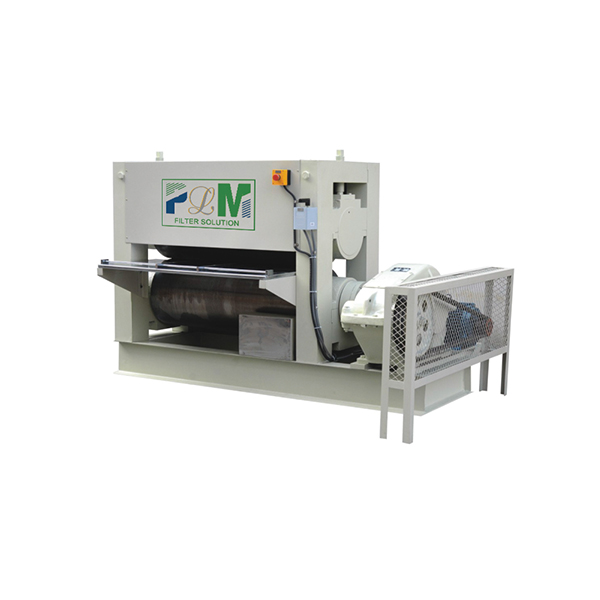
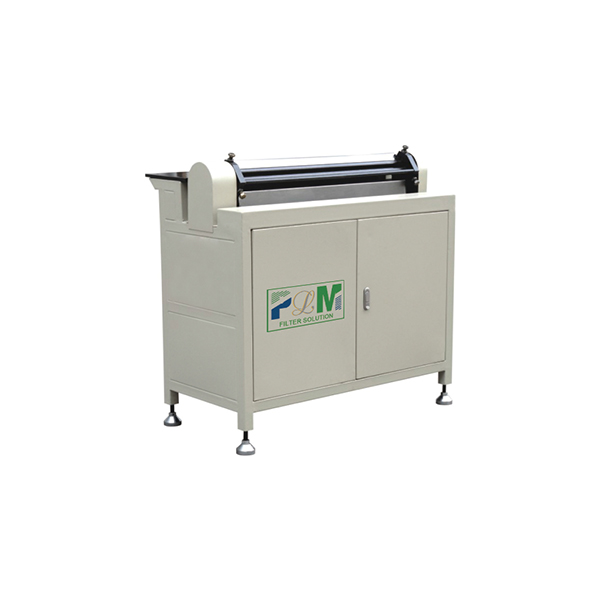
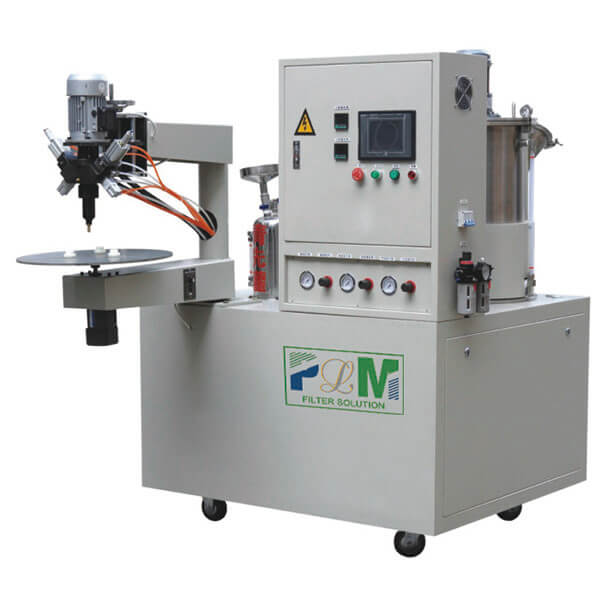
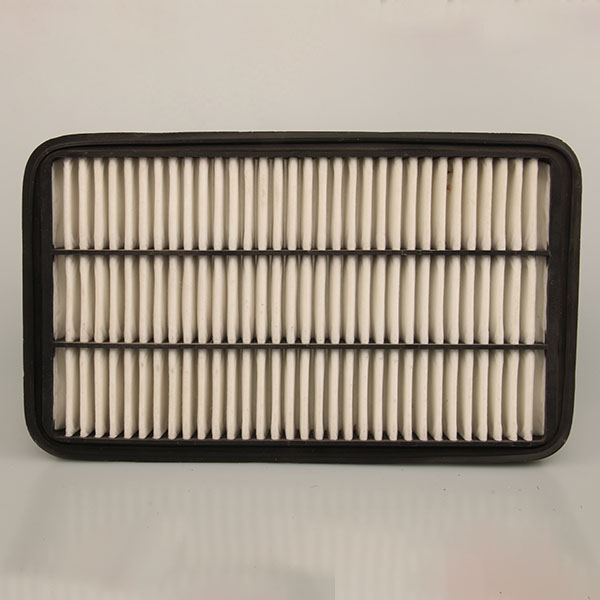
Currently, many local workshops rely on semi-automated processes. There is a critical transition occurring where manufacturers are upgrading to a fully integrated filter machine to reduce labor costs and increase the consistency of filter media pleating and assembly.
The rise in emission regulations across Asia has forced Sri Lankan producers to shift from basic filtration to advanced spin-on technologies. This has led to a surge in the adoption of the spin-on oil filter machine to cater to the heavy-duty vehicle fleets operating in the tea and rubber plantations.