Nov . 16, 2024
Understanding Filter Rolls in Media Products
In the ever-evolving landscape of media products, filter rolls have emerged as an essential component that significantly enhances the quality and efficiency of various media applications. From photography and videography to audio production and beyond, filters play a critical role in refining the output, ensuring that the end product meets the desired standards.
What Are Filter Rolls?
Filter rolls are essentially sheets or rolls of material that contain specific filtering properties. They are used to modify the characteristics of light, sound, or other media. In photography and videography, for instance, filter rolls can adjust the color balance, reduce glare, or enhance contrast. The use of filter rolls allows creators to achieve a desired aesthetic or technical quality without extensive post-production work, streamlining the creative process.
In audio production, filter rolls can refer to filtering systems that help manage sound frequencies. For instance, a low-pass filter roll can eliminate high-frequency noise, while a high-pass filter roll can remove low-frequency sounds that may muddy a recording. This ensures that the final product—whether it be music, podcasts, or film soundtracks—maintains clarity and quality.
The Importance of Filters in Media Applications
1. Enhanced Aesthetics Using filter rolls in photography allows artists to manipulate colors and tones effectively. For example, a polarizing filter can reduce reflections and increase saturation, producing stunning images. Similarly, colored gels can enhance the lighting in theatrical productions, creating immersive environments.
2. Improved Quality In video production, filter rolls can help achieve a cinematic look. Neutral density filters enable filmmakers to shoot at wider apertures in bright conditions, achieving better depth of field without overexposing the footage. This results in a professional finish that is essential for visual storytelling.
3. Sound Clarity In audio media, filters play a critical role in mixing and mastering tracks. Proper use of equalization filters can make a world of difference, allowing audio engineers to blend sounds seamlessly. This attention to sound design elevates the listening experience, ensuring that all components of a track contribute harmoniously.
Applications Across Industries
Filter rolls have applications beyond traditional media industries. For instance, in the field of scientific imaging, specialized filter rolls can be crucial for capturing specific wavelengths of light for research purposes. This is particularly relevant in fields such as biology or materials science, where analyzing specific traits requires precise visual data.
Moreover, the advertising industry also utilizes filter rolls to create compelling content that resonates with targeted audiences. By carefully crafting visual and audio elements with filters, marketers can evoke emotions and drive consumer behavior effectively.
Innovations in Filter Technology
As technology continues to evolve, so do filter rolls. Advances in materials science and manufacturing processes have led to more flexible, durable, and effective filter rolls. Innovations such as digital filters applied in post-production software mimic the effects of physical filters, providing even more options for creators. These digital tools allow for greater experimentation, enabling artists to push boundaries and explore new styles.
Conclusion
In summary, filter rolls are integral to the media product ecosystem, offering numerous benefits across various applications. Whether enhancing visual aspects in photography and video production or ensuring sound quality in audio projects, their role is undeniable. As technology advances, the potential for filter rolls will only grow, continuing to shape the way media is created and consumed. Understanding and leveraging these tools enable media professionals to create compelling, high-quality content that captivates audiences and stands out in a crowded marketplace.
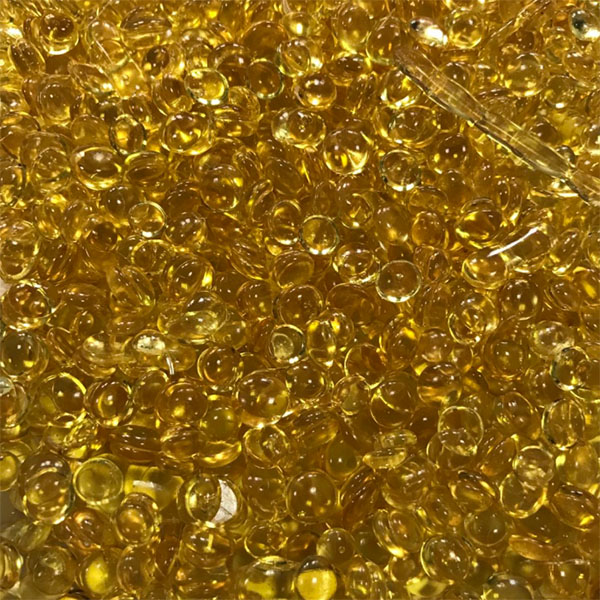
High-Performance Hot Melt Adhesive for Automated Production Lines
Comprehensive Guide to PP Air Filter Making Machine Technology and Applications