Tel
Email
whatsapp
Top

Industrial air filter producing machine Solutions for Philippines

Empowering Philippine manufacturing with high-precision filtration equipment and advanced automation to meet strict environmental and industrial standards.

Industrial air filter producing machine Solutions for Philippines

Integrating cutting-edge technology to optimize the production of air, oil, and specialty filtration systems specifically for the Southeast Asian industrial landscape.

The Current State of Filtration Manufacturing in Philippines

Analyzing the impact of tropical humidity and urbanization on equipment demand.

The Philippines is currently experiencing a surge in industrialization, particularly in the automotive and HVAC sectors. Due to the high humidity and volcanic ash presence in certain regions, the demand for a robust filter machine has intensified to ensure clean air and fluid systems for local infrastructure.

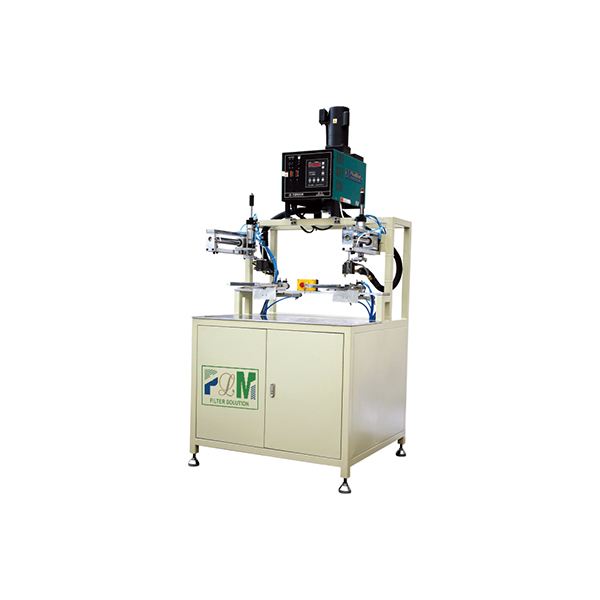
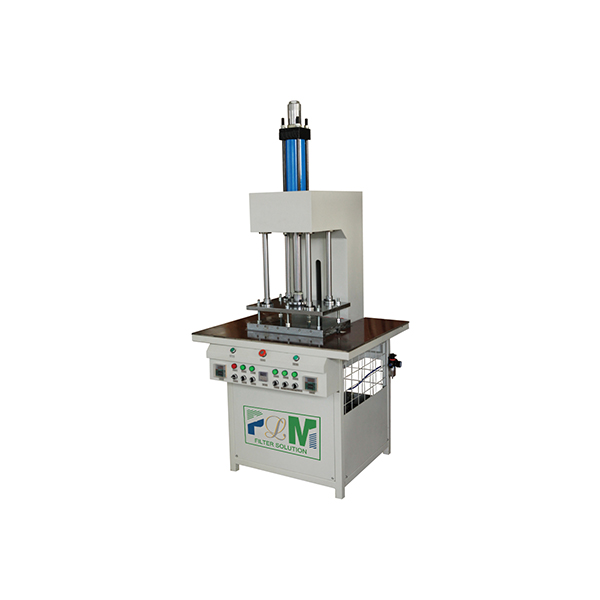
Local manufacturers are shifting from manual assembly to automated systems. The adoption of a professional bonding machine has become essential to ensure leak-proof seals in filter elements, preventing contamination in the humid tropical climate of Manila and Cebu.

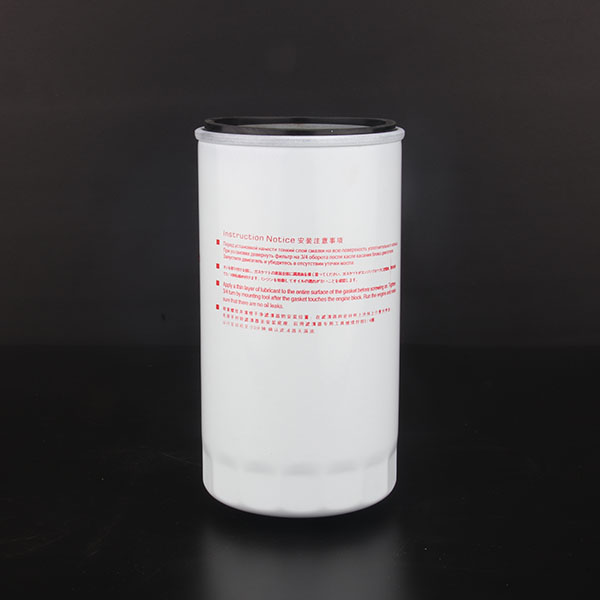
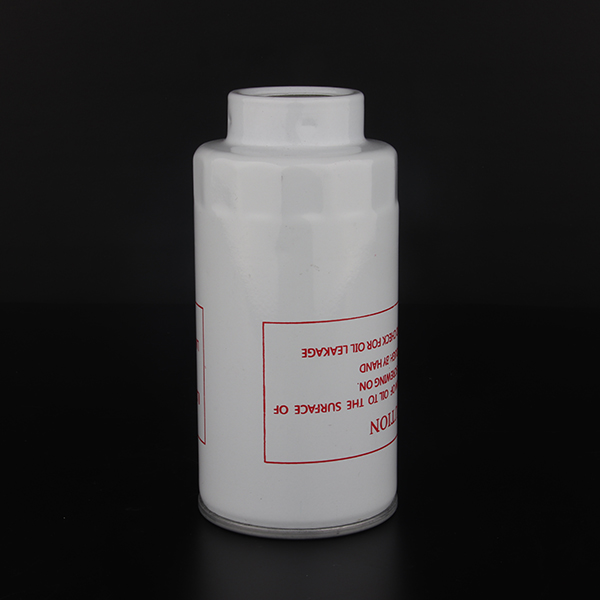
Furthermore, the automotive aftermarket in the Philippines is growing rapidly. This has led to a specific increase in the procurement of spin-on oil filter machine units to cater to the vast number of diesel vehicles used in logistics and public transport across the archipelago.
Evolution and Trajectory of Filter Equipment

From manual pressing to intelligent automated production lines.

Market Development History

In the early 2000s, filtration production in the Philippines relied heavily on imported finished goods and basic manual tooling. Production was fragmented, focusing on low-efficiency foam filters with minimal quality control.

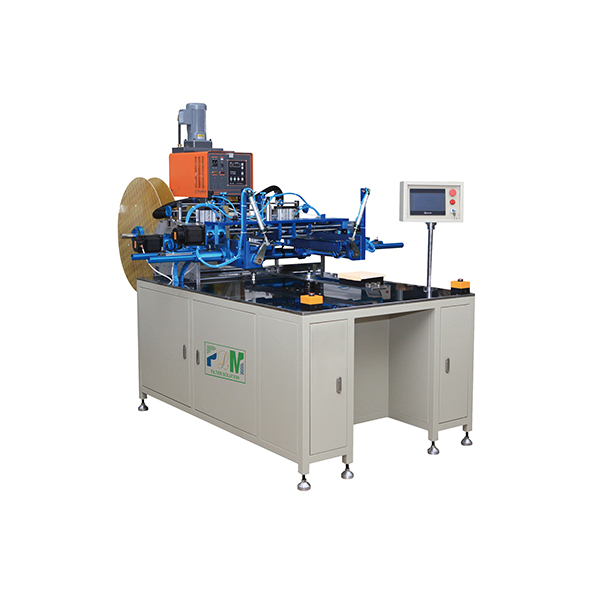
Between 2010 and 2020, the industry transitioned toward semi-automation. The introduction of the first generation heating machine allowed for better thermoplastic welding and more durable filter housings, improving the lifespan of industrial filters.

Post-2020, the focus has shifted toward "Industry 4.0". Modern facilities now integrate PLC-controlled systems and precision sensors to ensure that every unit meets international ISO standards, reducing waste and increasing throughput.

Future Development Trends

High-Efficiency Material Integration

The next 3 years will see a shift toward nano-fiber materials, requiring updated machinery that can handle ultra-thin media without compromising structural integrity.

Energy-Efficient Thermal Processing

Newer iterations of the heating machine will utilize induction heating to reduce energy consumption by 30%, aligning with the Philippines' green energy goals.

Smart Diagnostic Integration

Future equipment will feature IoT connectivity, allowing operators to monitor the wear and tear of production components in real-time via mobile dashboards.

Industry Trends and Future Outlook

Strategic directions for the specialized equipment manufacturing sector.

Automation Scaling
Increasing the use of robotics in the assembly of complex filter elements to reduce labor costs.
Precision Bonding
Adopting advanced ultrasonic and thermal bonding to eliminate contaminants in oil filters.
Eco-Friendly Materials
Integrating biodegradable media and recyclable housings to meet EU-aligned environmental laws.
Digital Quality Control
Implementing AI-driven vision inspection to detect defects in pleating and sealing.

Industry Outlook

Based on current Google search trends in Southeast Asia, there is a significant increase in queries related to "sustainable filtration" and "automated production efficiency." This indicates that the Philippine market is moving away from low-cost, low-quality imports toward locally manufactured, high-standard products.

We expect the integration of modular production lines to become the standard, allowing manufacturers to switch between air and oil filter production rapidly, thus optimizing capital expenditure and increasing operational flexibility.

Localized Application Scenarios in the Philippines

Practical deployment of filtration machinery in key Philippine sectors.

1. Automotive Aftermarket Hubs in Manila

Using a spin-on oil filter machine to produce high-volume oil filters for the jeepney and delivery truck fleets, ensuring engine longevity in heavy traffic conditions.

2. Industrial Air Purification for BPO Offices

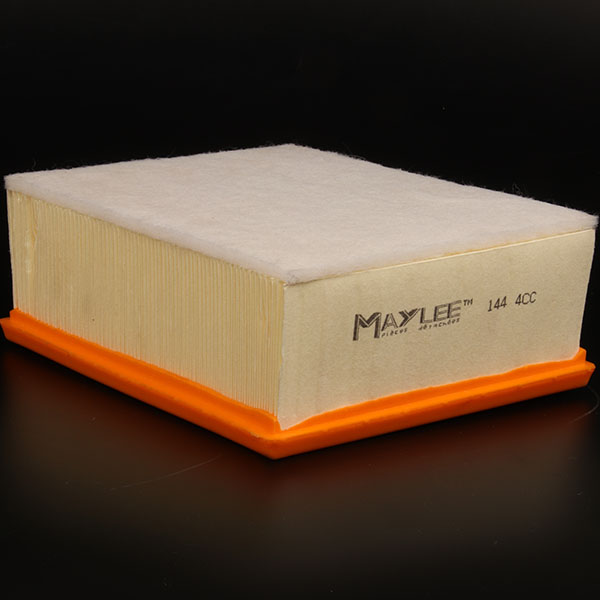
Deploying an air filter producing machine to create custom HEPA and pre-filters for large-scale office complexes in Makati and BGC to combat urban smog.

3. Power Generation Plants in Visayas

Implementing precision bonding machine technology to manufacture heavy-duty industrial filters for geothermal and coal power plants.

4. Agricultural Machinery Maintenance in Luzon

Utilizing a compact filter machine to produce specialized fuel and oil filters for tractors and harvesters used in rice and sugar plantations.

5. Marine Engine Filtration in Cebu Port

Applying high-temperature heating machine processes to create corrosion-resistant filter housings for inter-island shipping vessels.

Brand Story

Global Development Journey of Hebei Luman Auto Parts Trade Co., Ltd.

Founding Vision

Established with a mission to bridge the gap between complex industrial filtration needs and accessible manufacturing technology.

Technical Breakthroughs

Pioneered the integration of precision thermal bonding and automated pleating, reducing production errors by 40%.

Global Expansion

Expanded our footprint into Asia, specifically the Philippines, providing localized technical support and customized machinery.

Quality Certification

Achieved international quality benchmarks, ensuring all our equipment helps clients meet ISO and SAE standards.

Future Commitment

Dedicated to driving the "Green Filtration" revolution by optimizing energy use in all manufacturing components.

Complete Product Portfolio for the Philippines Market

From individual components to full-scale automated production lines.

Common Questions in Philippines Filtration Industry

Expert answers to the most frequent technical and commercial inquiries.

How does a high-precision air filter producing machine handle high humidity?

Our machines feature integrated climate-controlled drying stages and anti-corrosion coatings to ensure the filtration media remains dry and the machinery operates smoothly in tropical climates.

What is the best bonding machine for automotive oil filters?

For automotive applications, an ultrasonic or thermal bonding machine is recommended to ensure a permanent, leak-proof seal between the filter media and the end caps.

Can a spin-on oil filter machine produce different sizes of filters?

Yes, our machines are designed with modular tooling, allowing you to switch molds and settings to produce various spin-on filter diameters and heights for different vehicle types.

How often does a heating machine require calibration?

Depending on the production volume, we recommend a thermal calibration every 6 months to ensure consistent weld strength and energy efficiency.

Which filter machine is most suitable for small-scale startups in Manila?

For startups, we recommend our semi-automated compact series which offers a balance between manual flexibility and professional output quality.

What are the energy requirements for an industrial filter producing machine?

Most of our machines operate on standard industrial 3-phase power, but we offer customized voltage stabilizers to protect equipment from power fluctuations common in some regions.

Ready to Upgrade Your Production?

Contact our technical experts today for a customized equipment consultation tailored to the manufacturing needs of Philippines.

Contact Us Now
f_btn4

If you are interested in our products, you can choose to leave your information here, and we will be in touch with you shortly.


111If you are interested in our products, you can choose to leave your information here, and we will be in touch with you shortly.