
Jan . 21, 2025 04:28 Back to list
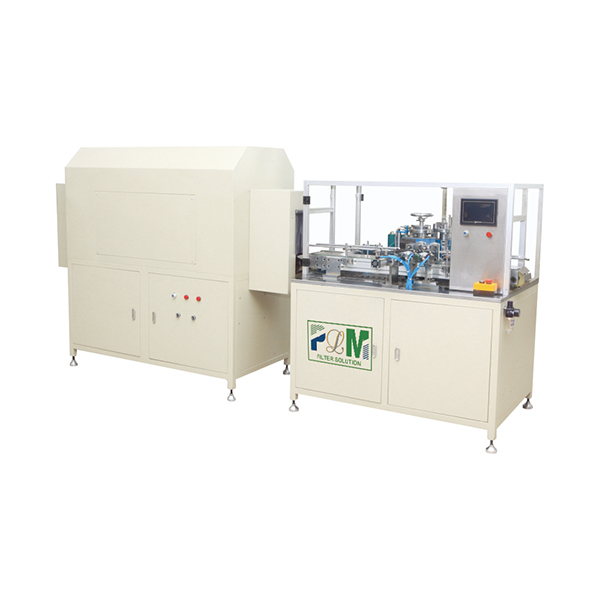
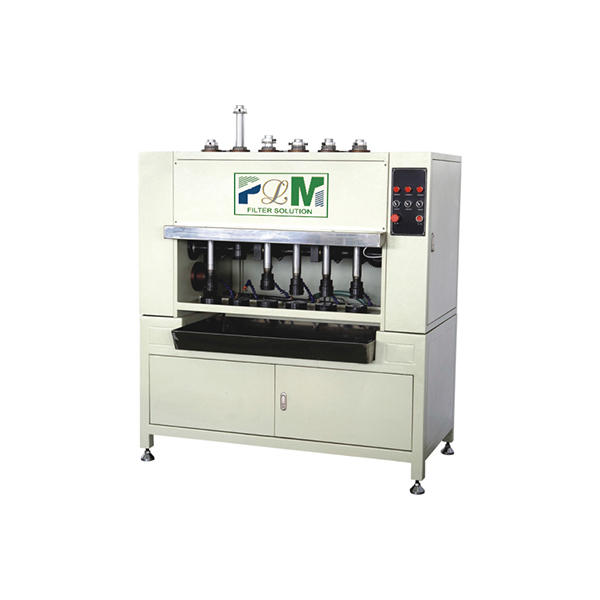
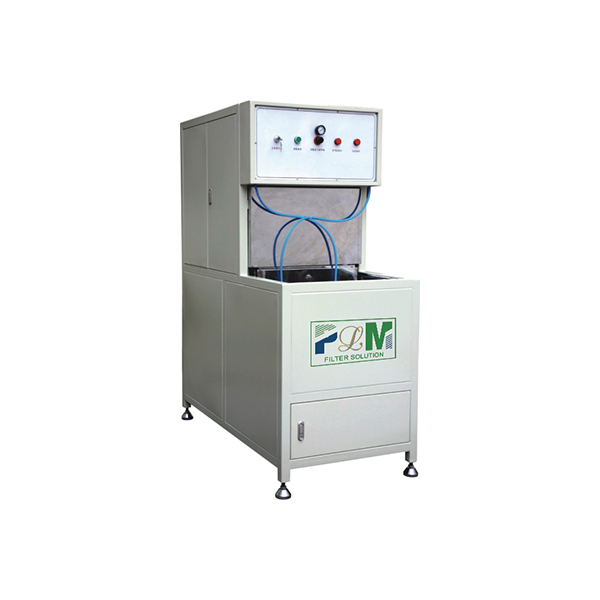
PLBL-60 Full-auto 60 stations U-type curing oven line
The world of manufacturing has seen a remarkable shift with the introduction of non-woven technologies. While traditional textiles continue to play a pivotal role in numerous applications, non-woven materials have carved a niche for themselves due to their versatility, cost-effectiveness, and adaptability.
The growing reliance on non-woven technology has established trust in their continued innovation and development. Non-woven producers are committed to sustainability by incorporating recycled materials and developing biodegradable options. This commitment has helped build trust with environmentally conscious consumers and businesses keen on reducing their ecological footprint. For businesses considering entering the non-woven market or expanding their use, establishing a trusted partnership with experienced manufacturers is essential. These relationships ensure compliance with relevant industry standards and consumer safety regulations. Verified certifications from organizations like ISO and OEKO-TEX further cement the role of non-wovens as reliable materials. As an authority on non-woven products, staying informed and adapting to industry trends are crucial. Continuous innovations, improved production techniques, and sustainable practices enhance the reputation and trustworthiness of non-woven products. Industry leaders recognize the transformative role non-wovens play in shaping the future of textiles and remain at the forefront of delivering cutting-edge solutions to meet evolving market needs. While non-wovens are not novel, their continuous evolution makes them irreplaceable in many sectors. Their unmatched adaptability and performance ensure their place in future industrial and consumer landscapes. Authored by experts and vouched for by industry leaders, the enduring appeal of non-woven fabrics exemplifies a blend of innovation, trust, and authority, making them indispensable for modern applications.
The growing reliance on non-woven technology has established trust in their continued innovation and development. Non-woven producers are committed to sustainability by incorporating recycled materials and developing biodegradable options. This commitment has helped build trust with environmentally conscious consumers and businesses keen on reducing their ecological footprint. For businesses considering entering the non-woven market or expanding their use, establishing a trusted partnership with experienced manufacturers is essential. These relationships ensure compliance with relevant industry standards and consumer safety regulations. Verified certifications from organizations like ISO and OEKO-TEX further cement the role of non-wovens as reliable materials. As an authority on non-woven products, staying informed and adapting to industry trends are crucial. Continuous innovations, improved production techniques, and sustainable practices enhance the reputation and trustworthiness of non-woven products. Industry leaders recognize the transformative role non-wovens play in shaping the future of textiles and remain at the forefront of delivering cutting-edge solutions to meet evolving market needs. While non-wovens are not novel, their continuous evolution makes them irreplaceable in many sectors. Their unmatched adaptability and performance ensure their place in future industrial and consumer landscapes. Authored by experts and vouched for by industry leaders, the enduring appeal of non-woven fabrics exemplifies a blend of innovation, trust, and authority, making them indispensable for modern applications.


Latest news
Comprehensive Guide to Filter Caps: Applications, Benefits & Future Trends
NewsNov.24,2025Filter Paper: Essential Guide for Industry and Global Applications
NewsNov.23,2025Essential Guide to Filter Materials: Types, Applications, and Future Trends
NewsNov.22,2025Efficient Long Pulse Dust Collector Pleated Filters for Superior Industrial Air Quality
NewsNov.22,2025Professional Air Filter Making Machine – Efficient Air Filtration Production Solutions
NewsNov.21,2025PLAB-6 A/B Glue System-Hebei Filter Man|Precision&Adjustable Speed
NewsNov.21,2025