Oct . 08, 2025
If you’ve ever walked a filter shop floor, you know the difference between a tidy, traceable cartridge and a generic blank isn’t just branding—it’s process control. That’s why, in many modern lines, the pp spun filter cartridge making machine setup often includes a dedicated, fully automatic printer to mark specs, lot codes, and QR for traceability right after curing and QC. One such unit I’ve seen more than once is the PLPM-1210—compact, fast, and frankly, less finicky than some of the big-name rigs.
The market has shifted toward tighter quality documentation: ISO-driven traceability, NSF-compliant materials, and quick line changeovers. Shops want higher OEE without babysitting. Inline printing on the pp spun filter cartridge making machine line is becoming standard—brand consistency and instant ID beat post-print labels every day.
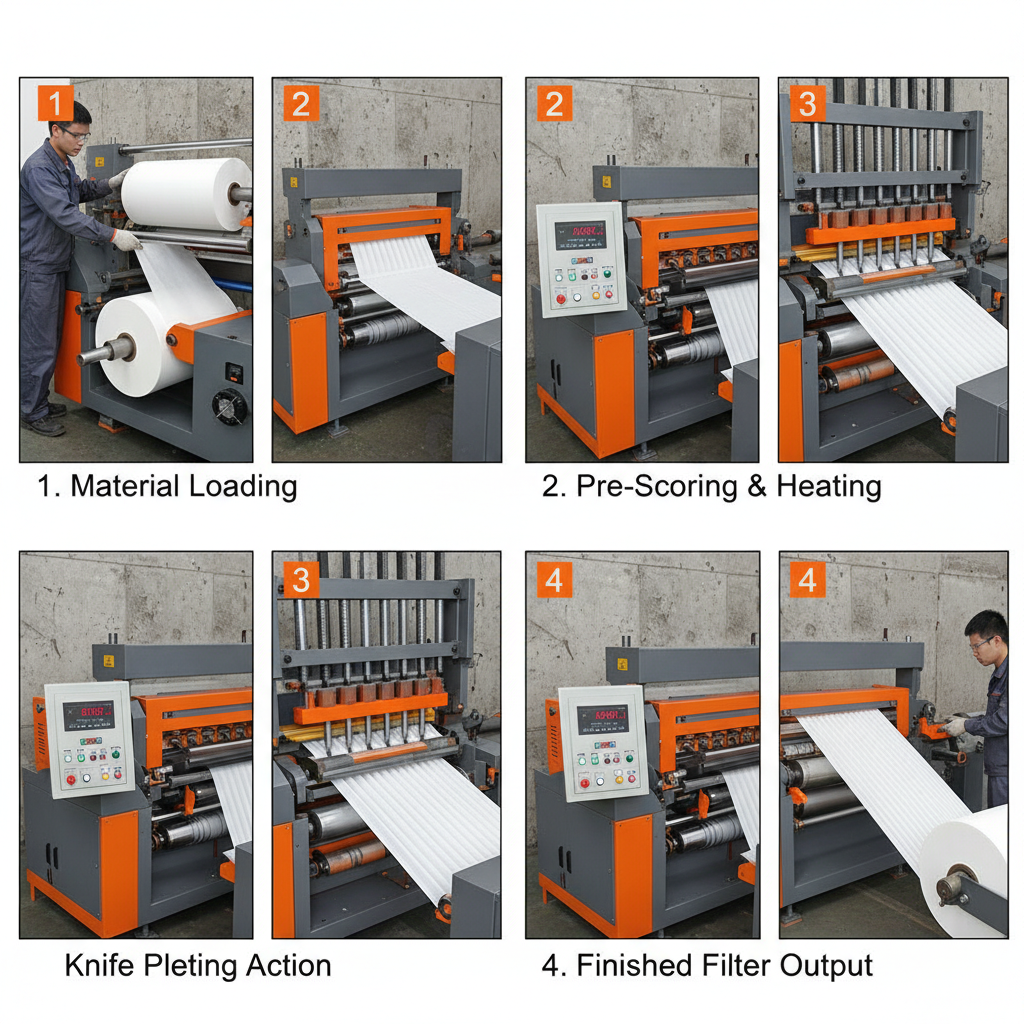
Typical flow: PP resin → melt-blown media → thermal bonding → core/end-cap assembly → drying/conditioning → surface prep (light flame/corona as needed) → inline printing → UV/thermal cure → adhesion check → packaging. Testing anchors the whole thing:
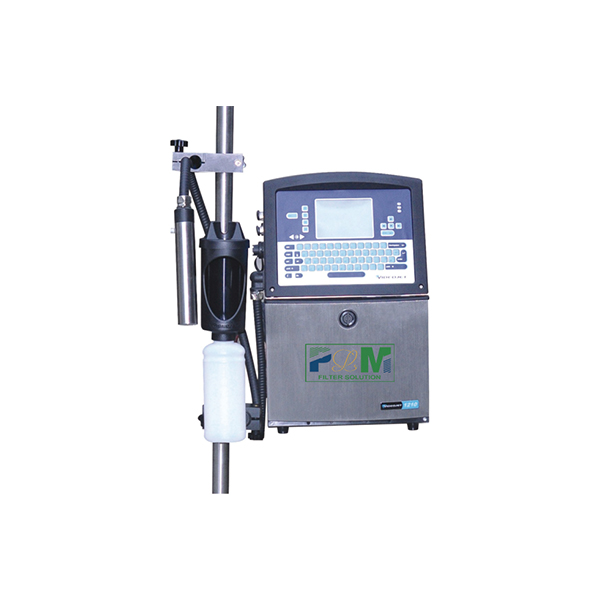
Description says it straight: “PLPM-1210 Fully Automatic Printing Machine 79.” It’s designed to sit inline with your pp spun filter cartridge making machine and handle cylindrical cartridges from drinking water to process prefilters. Many customers say the setup feels familiar—PLC + HMI, clean guarding, and a sensible parts kit.
| Spec | PLPM-1210 (typical) |
|---|---|
| Model / Description | PLPM-1210 Fully Automatic Printing Machine 79 |
| Function | Inline circumference printing for PP cartridges; logos, ratings, lot/QR |
| Cartridge sizes | Ø ≈ 60–115 mm; length ≈ 10–40 in (real-world use may vary) |
| Throughput | ≈ 3,000–6,000 pcs/h, depending on print coverage and curing |
| Ink/Curing | UV or solvent-based; fast-cure UV recommended for PP |
| Controls | PLC + touchscreen HMI, recipe recall, encoder sync |
| Power / Air | AC 380–400 V, 3φ; compressed air ≈ 0.6 MPa |
| Origin | East of anping county, hengshuicity, hebeiprovince,china 053600 |
| Compliance | ISO 9001 factory; CE marking (where applicable) |
Options include multi-color stations, inline corona/flame, UV-LED arrays, QR/Datamatrix printheads, and vision inspection. For a high-mix pp spun filter cartridge making machine line, recipe-driven guides and quick-swap mandrels are worth the spend.
| Vendor | Printing method | Speed (pcs/h) | After-sales | Notes |
|---|---|---|---|---|
| PLPM-1210 (this model) | Circumferential, UV/solvent | ≈ 3k–6k | Factory-direct; remote support | Good value; compact footprint |
| European Brand A | Multi-color UV flexo | ≈ 5k–8k | Global network | Premium price; broad ecosystem |
| Integrator B (local) | Inkjet + UV-LED | ≈ 2k–4k | On-call regional | Highly customizable; variable delivery |
Water OEMs, contract converters, and beverage plants use inline printing to embed micron rating, flow arrow, and date code. One plant in Southeast Asia bumped output from 14,000 to ~20,000 pcs/day after adding PLPM-1210 with UV-LED curing and vision—takt stabilized, and scrap from smudging dropped under 0.5%. To be honest, the biggest gain was QA traceability; audits got faster.
Printing should outlast the cartridge’s service life (often 3–12 months in potable water, depending on turbidity and load). Quick checks: cross-cut adhesion (aim 4B/5B), rub resistance (≥ 50 cycles dry), and readability after chlorine splash—simple, but they save returns.
If your pp spun filter cartridge making machine is already dialed in, inline printing is the quiet upgrade that pays back through fewer mix-ups, stronger branding, and cleaner audits. The PLPM-1210 keeps it practical—fast enough, easy to live with, and ready for traceability.
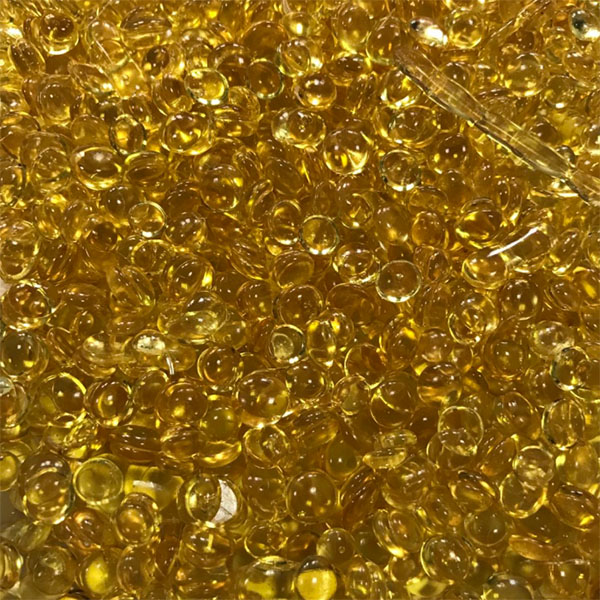
High-Performance Hot Melt Adhesive for Automated Production Lines
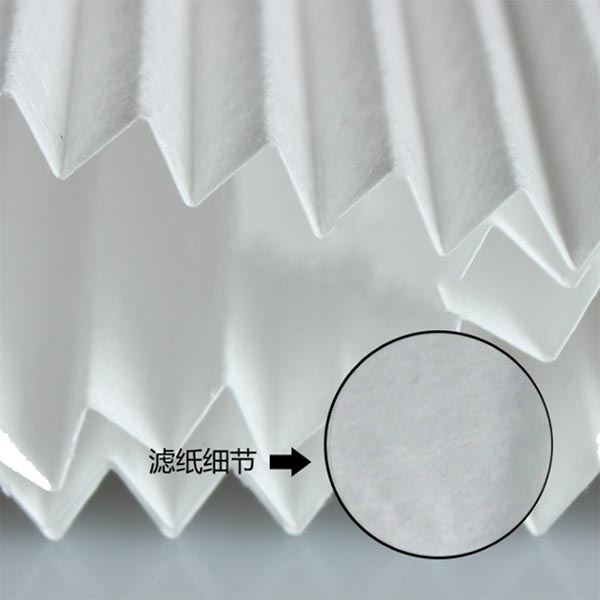

High Quality Honeycomb Carbon Air Filters – Efficient Industrial Air Purification Solutions