Oct . 26, 2025
Indoor air got complicated. Between VOCs from paint, pet smells, traffic fumes sneaking in, and that lingering kitchen experiment—people want filters that don’t just catch particles, but neutralize odors and gases. That’s where the Active Carbon Air Filter For Air Purifier quietly earns its keep. In labs, hotels, even busy family homes, carbon media is the difference between “it’s clean” and “it actually smells clean.”
Two big shifts: multi-stage cartridges (pre-filter + HEPA + carbon blocks) and smarter, lower-resistance carbon media. Manufacturers are quietly optimizing pore size distributions—coconut-shell carbons with higher micropore volumes—so you get faster VOC uptake without choking airflow. Many customers say they notice less “stale room” effect after switching to denser but smarter carbon layers. Honestly, the difference is night-and-day in small apartments.
| Parameter | Spec |
|---|---|
| Media | Coconut-shell activated carbon, iodine ≈ 1000 mg/g |
| Format | GAC pouch or honeycomb carbon block |
| Pressure drop | ≈ 45–80 Pa @ 0.5 m/s |
| VOC removal | Toluene ≥ 90% in 30 m³ chamber, 30–60 min |
| Formaldehyde | ≥ 80% reduction (ISO 16000 setup) |
| Service life | 6–12 months (load and humidity dependent) |
| Certifications | ISO 9001, RoHS, REACH; UL 900 flammability |
Particulate performance is typically verified alongside HEPA per ISO 16890 or EN 1822 (for the HEPA layer), while VOC reduction follows chamber protocols (ISO 16000 series) and adsorption capacity checks like ASTM D3467. For appliances sold in China, GB/T 18801 is the kitchen-table standard people quote.
Residential purifiers, hospitals (isolation rooms with odor control), hospitality and gyms, labs and print rooms, pet clinics, and—surprisingly—coffee roasteries that want less “after-smoke.” A Active Carbon Air Filter For Air Purifier paired with a decent HEPA cuts the smell and the headache.
Customization usually means dimensions, carbon type (coconut vs. bituminous), impregnation chemistry, frame, and target pressure drop. Lead times depend on media and tooling.
| Vendor | Core media | MOQ | Lead time | Certs | Notes |
|---|---|---|---|---|---|
| MFilter Solution (Hebei, China) | Coconut GAC/honeycomb | ≈ 300 pcs | 3–5 weeks | ISO 9001, RoHS | Origin: East of Anping County, Hengshui City, Hebei 053600 |
| Vendor B | Impregnated carbon | ≈ 500 pcs | 5–7 weeks | ISO 14001, REACH | Good for NOx/SOx applications |
| Vendor C | Carbon cloth + GAC | ≈ 200 pcs | 2–4 weeks | UL 900 | Low pressure-drop focus |
If you’re speccing a Active Carbon Air Filter For Air Purifier, prioritize adsorption capacity, airflow penalty, and proven VOC test data—not just the buzzwords. And yes, change it on schedule; saturated carbon is just fancy gravel.
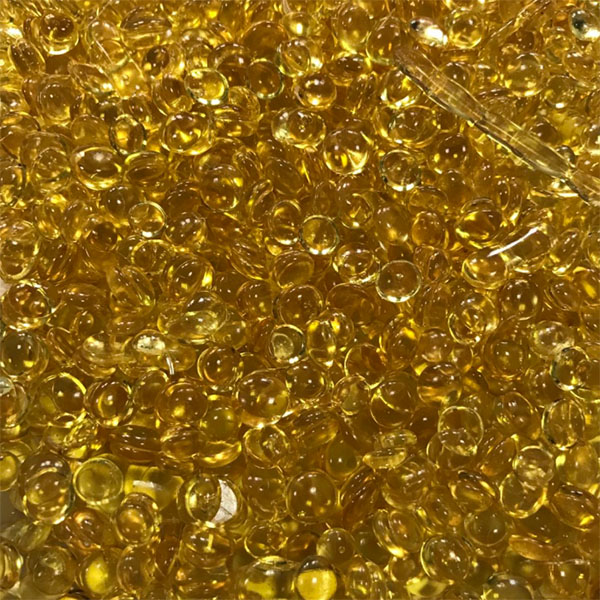
High-Performance Hot Melt Adhesive for Automated Production Lines
Spin-On Oil Filter Machine Efficiency