Nov . 06, 2025
Open any air quality report and it’s the same story: PM is down in many cities, but VOCs and odors linger. That’s where activated carbon steps in. I’ve toured a few factories this year, and frankly, the pace of innovation surprised me—thinner media, higher adsorption, smarter frames. It’s practical, not just hype.
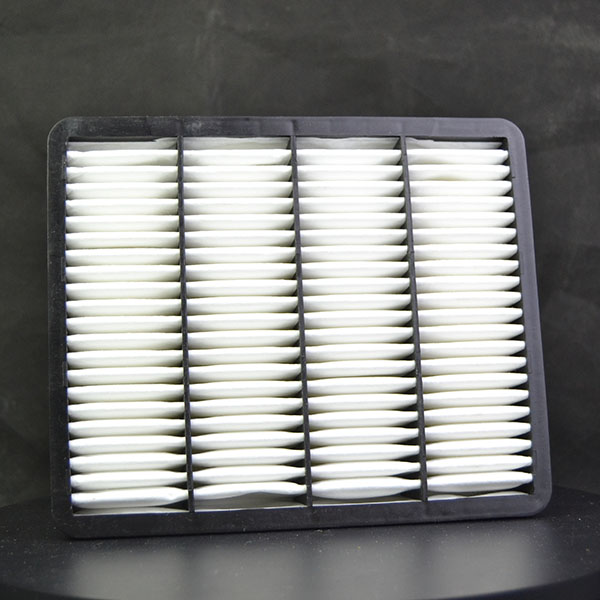
Activated carbon captures gases, VOCs, and odor molecules through adsorption—think billions of tiny pores trapping formaldehyde, benzene, ozone byproducts, you name it. Pair it with HEPA and you’ve got a dual-threat purifier: particles plus chemistry. Many customers say the “freshness” comes from carbon more than the HEPA, which tracks with the lab data I’ve seen.
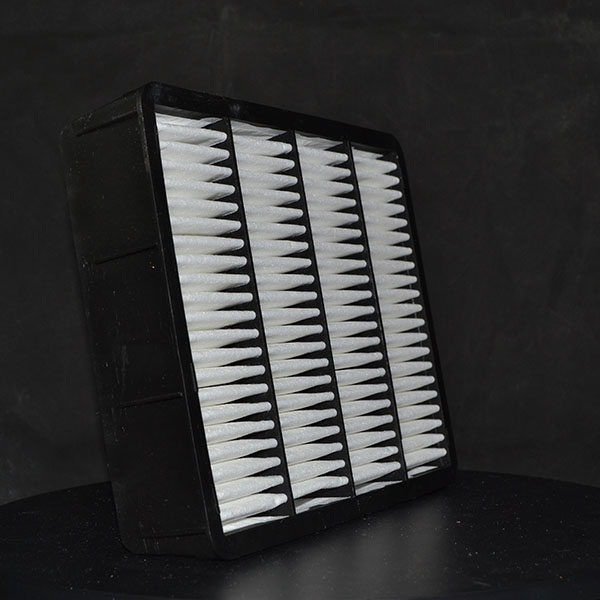
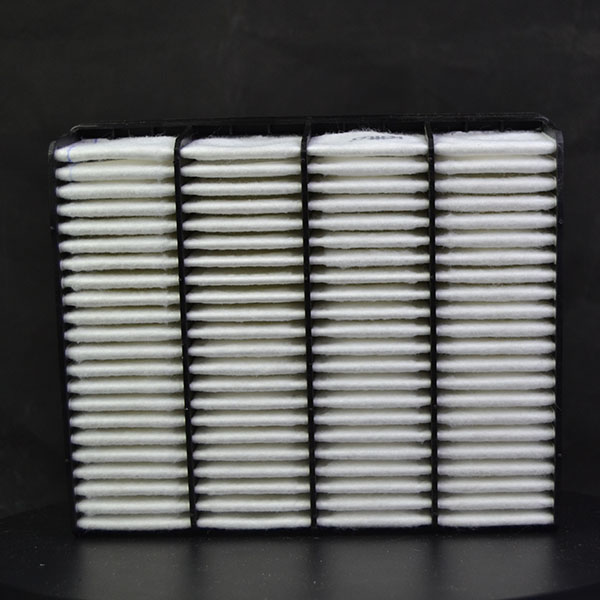
| Parameter | Air Purifier Carbon Filter |
|---|---|
| Carbon type | Coconut-shell GAC, iodine ≈ 1000 mg/g |
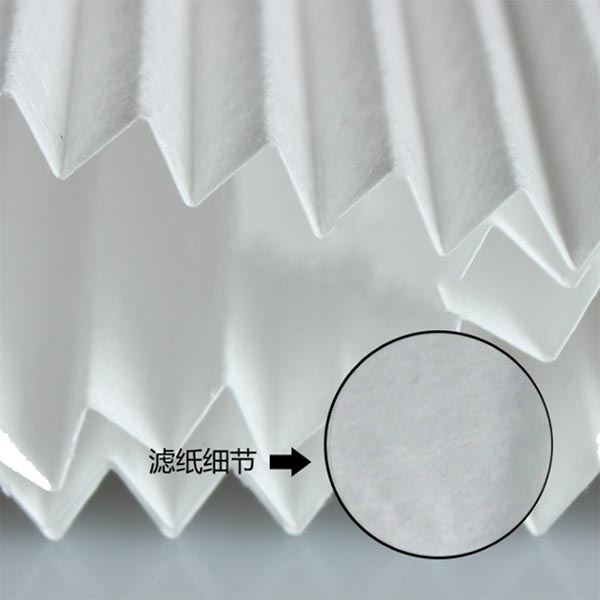
| Construction | Pleated PP/PET + bonded carbon; optional honeycomb |
| Pressure drop | ≈ 60–120 Pa @ 0.5 m/s |
| Formaldehyde removal | Initial 85–95%; 24 h retention tested per ISO 16000 guidance |
| Service life | 6–12 months (home); check odor breakthrough |
| Automotive crossover | Car PP Air Filter1780146060 (PP media; SKU “55”) available |
Note: Always balance adsorption capacity with airflow; choked filters hurt CADR.
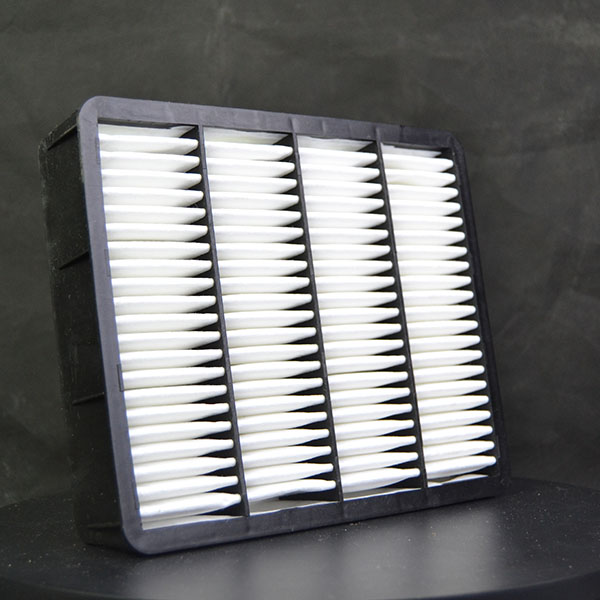
The manufacturer behind Car PP Air Filter1780146060 is based in East of anping county, hengshuicity, hebeiprovince,china 053600. They do both automotive PP media and purifier-grade carbon modules—useful if you’re sourcing cross-platform SKUs.
| Vendor | Origin | Certs | MOQ | Lead time | Customization |
|---|---|---|---|---|---|
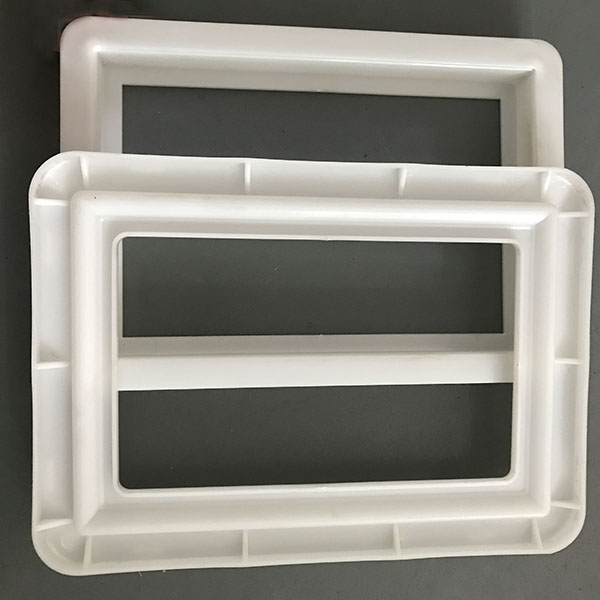
| MFilter Solution | Hengshui, Hebei, CN | ISO 9001; RoHS/REACH (on request) | ≈ 200–500 pcs | 10–25 days | Size, carbon grade, frame, gasket |
| Vendor A | CN | ISO 9001 | ≥ 1000 pcs | 25–35 days | Limited grades |
| Vendor B | KR | ISO 14001; RoHS | ≈ 300 pcs | 15–28 days | Broad, higher cost |
Customization tips: ask for iodine number targets, CTC value, pressure-drop curves, and a retention test (24–48 h) for stubborn VOCs.
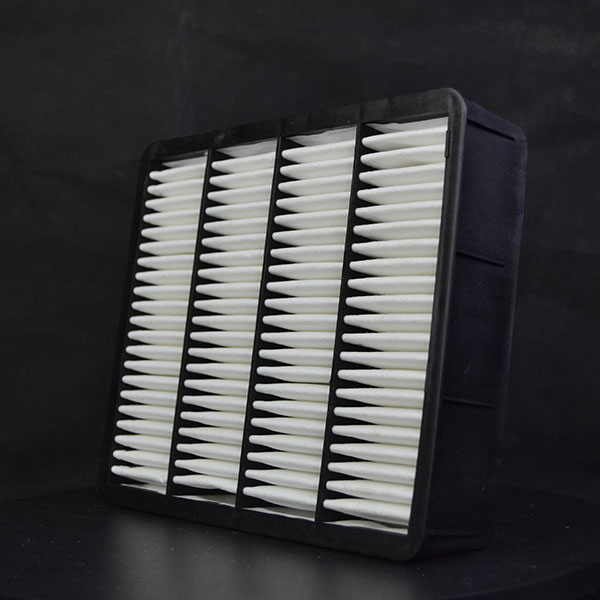
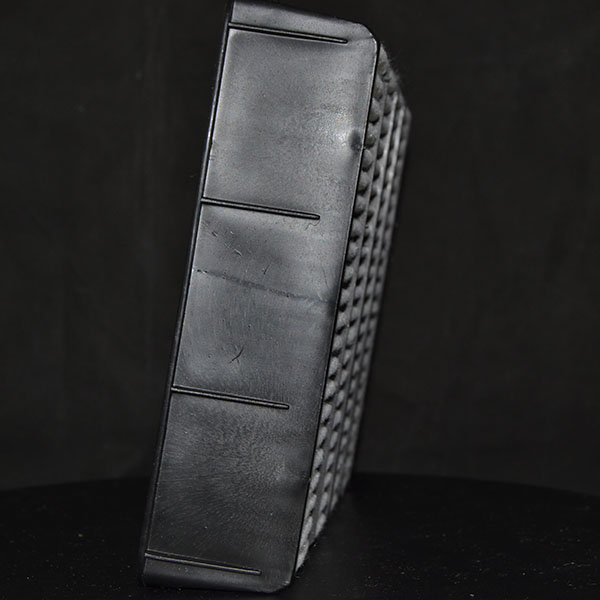
A well-specified Active Carbon Air Filter For Air Purifier is about balancing airflow and adsorption. Don’t chase exotic media at the expense of pressure drop. Do request VOC retention data, not only initial efficiency. And yes, coordinate your carbon module with the HEPA stage—your CADR and user satisfaction will thank you.
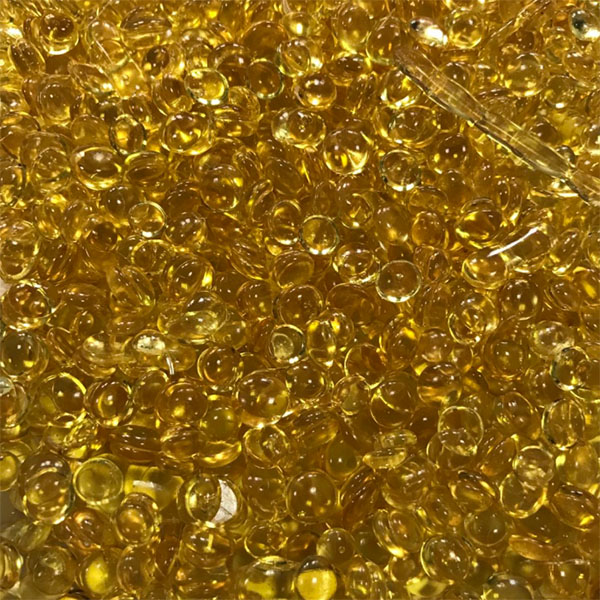
High-Performance Hot Melt Adhesive for Automated Production Lines

High Quality For Xiao Mi: Durable Industrial Filters for B2B Success | MFilter Solution