Oct . 07, 2025
If you’ve ever unboxed a new device and caught that “factory” smell—or moved into a freshly painted office—you’ll know why an active carbon air filter for air purifier is no longer optional. To be honest, gas-phase pollution (VOCs, odors, formaldehyde) is the slippery part of indoor air. HEPA catches particles; carbon deals with smells and chemistry. Different game.
Across Asia and Europe, we’re seeing thicker beds of coconut-shell carbon, selective impregnation (KMnO4, KI, or amines) for targeted gases, and test reports under ASHRAE 145.2 and ISO 10121. Surprisingly, customers now ask for CCM (gas capacity) alongside CADR. It’s a smarter market.
| Model | AC-HP300 Carbon Module |
| Dimensions | ≈ 290×240×30 mm (custom sizes available) |
| Media | Coconut-shell GAC, iodine 1050±50 mg/g; optional KMnO4 impregnation |
| Media weight | ≈ 350–500 g |
| Initial pressure drop | ≤ 45 Pa @ 0.3 m/s |
| Gas removal (initial) | Formaldehyde 80–90%, Toluene 85–95% (lab; see notes) |
| Standards | ASHRAE 145.2, ISO 10121-3, GB/T 18801 |
| Certifications | RoHS, REACH, ISO 9001 plant; UL 900 Class 2 frame options |
Lab data at 23±2°C, 50±5% RH. As always, real homes vary with humidity, VOC load, and airflow.
Apartments post-renovation, coworking spaces with 3D printers, nail salons, hotel rooms after deep cleaning. Many customers say odors drop in 20–40 minutes on high speed, then “barely-there” by bedtime. I guess the big lesson: keep humidity moderate, because water competes for pores.
| Vendor | Media Options | Customization | Lead Time | Certs |
|---|---|---|---|---|
| MFilter Solution (Hebei, China) | GAC, impregnated, honeycomb | Sizes, frames, labels | ≈ 10–20 days | ISO 9001, RoHS/REACH |
| Camfil | Activated/impregnated blends | High—industrial focus | Varies by region | ISO 9001/14001 |
| Honeywell (select models) | Granular + prefilter combos | Consumer model specific | Stock-driven | UL, regional |
Note: MFilter’s manufacturing base sits east of Anping County, Hengshui City, Hebei Province, China (053600). They also make oil and hydraulic elements—cross-industry tooling helps with tight tolerances.
Ask for iodine number spec, mesh size, and bed depth. If you battle ammonia or acid gases, request impregnated media. And make sure your purifier’s fan can handle +20–50 Pa extra without getting noisy.
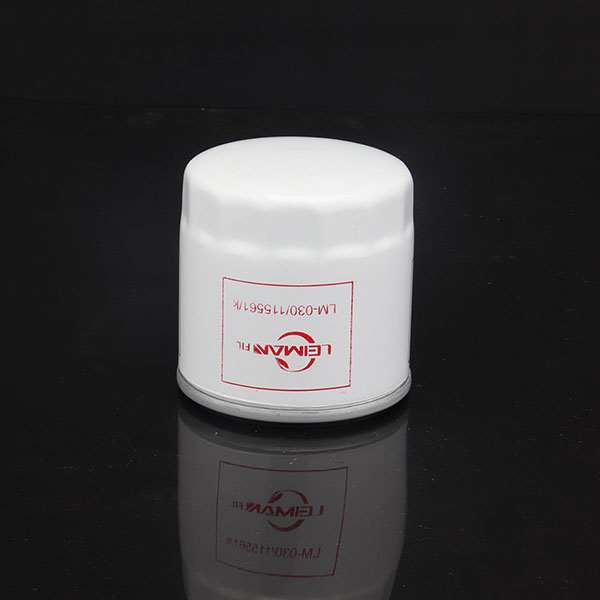
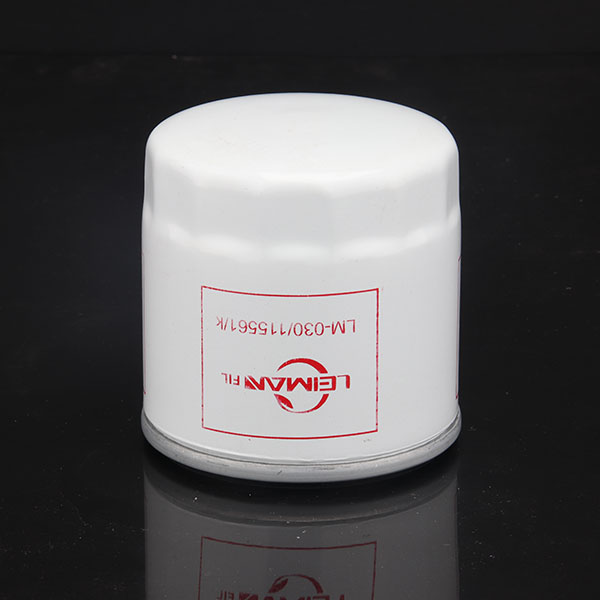
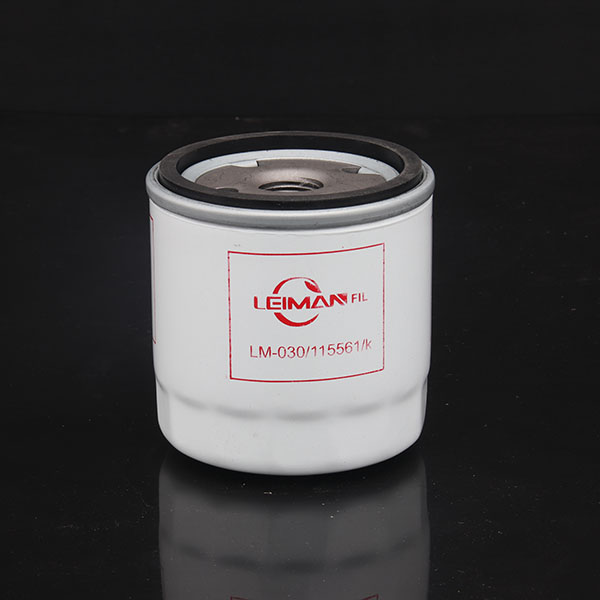
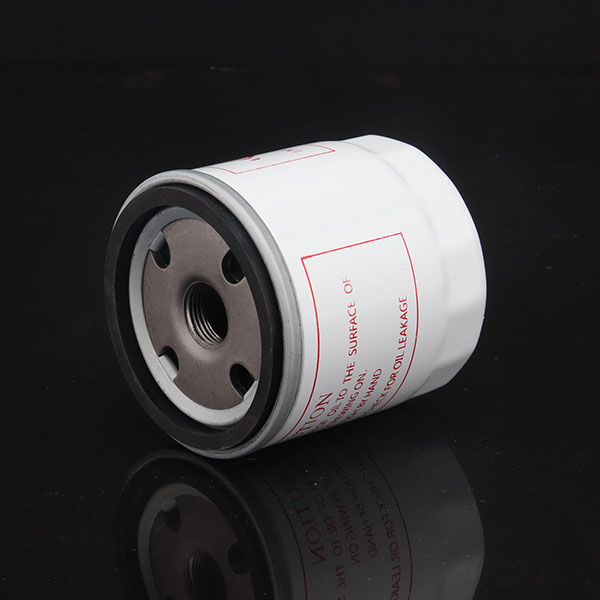
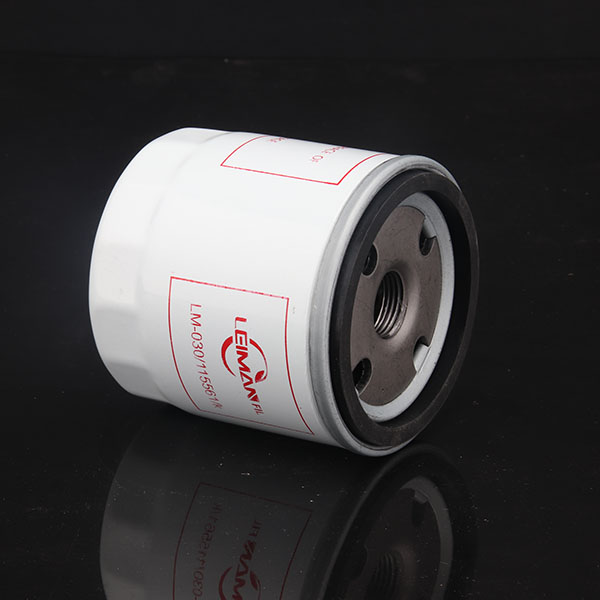
Factories that build precision filter modules often produce other elements too. Example: Spin On Oil Filter 0301155611k 115—different medium, same obsession with sealing and pressure integrity. That cross-pollination is why some carbon modules feel “overbuilt,” in a good way.
At 0.3 m/s, 23°C, 50% RH: Toluene initial removal 92%, formaldehyde 85%, pressure drop 38 Pa; CCM (gas) rated “High” under GB/T 18801. Your mileage will vary with VOC load and ventilation.
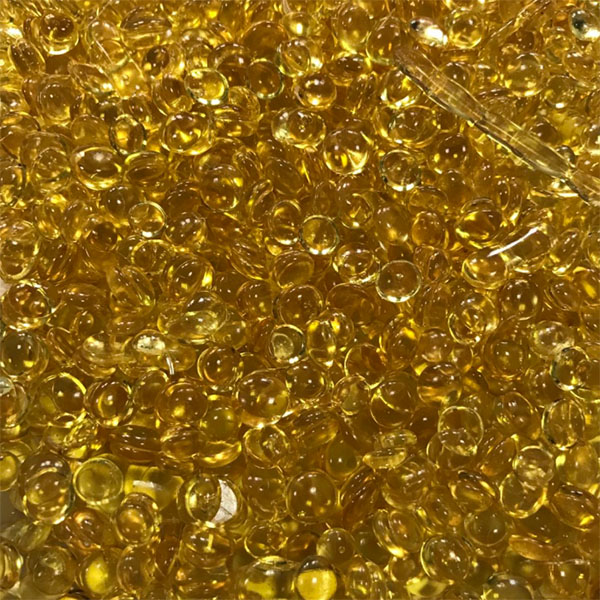
High-Performance Hot Melt Adhesive for Automated Production Lines
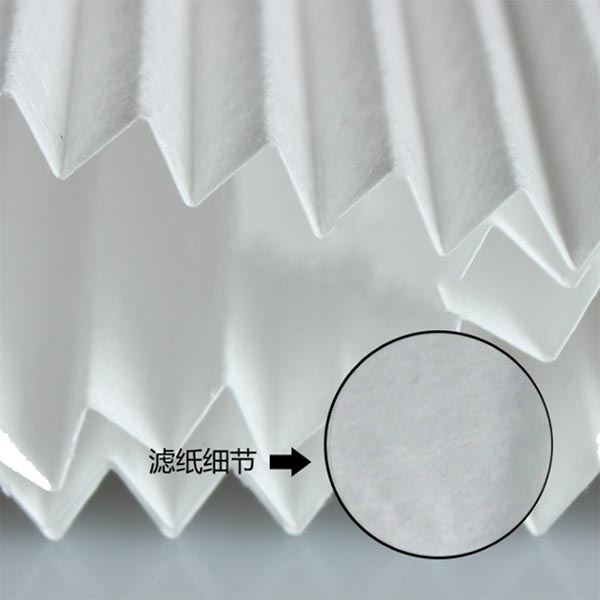
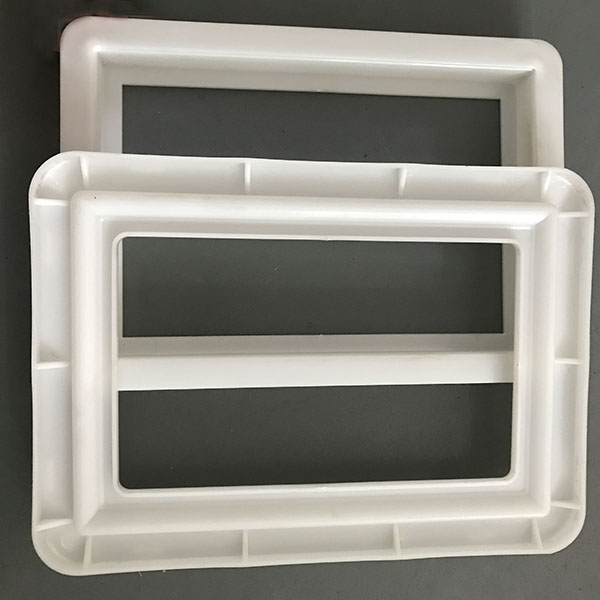
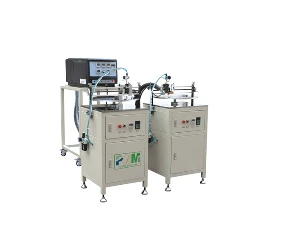
Truck Air Filters Machine Production Line to Boost Your Production