Understanding the 0.3 Micron Threshold: Why It Matters Globally
You may have heard the term 0.3 micron tossed around in conversations about air filtration and particle detection, but why exactly does this tiny measurement hold such importance? Globally, the 0.3 micron size particle represents the smallest particle size that High Efficiency Particulate Air (HEPA) filters are typically tested against, and it's crucial for assessing air quality, especially in healthcare, manufacturing, and humanitarian settings. Understanding how filtration systems target this particle size helps industries build safer environments, protect vulnerable populations, and even save lives during pandemics or natural disasters.
A Global Perspective on the 0.3 Micron Particle
Globally, air pollution and particulate matter are pressing issues that worsen respiratory diseases and environmental health. According to the World Health Organization, air pollution causes 7 million premature deaths annually. The micron (micrometer) is one-millionth of a meter, and particles sized around 0.3 microns are especially challenging to filter because they’re small enough to penetrate many common filters yet large enough to be harmful when inhaled.
The ISO 29463 standard, which sets performance requirements for filter testing, often uses this 0.3 micron benchmark because it’s considered the most penetrating particle size (MPPS). Essentially, filters designed to capture 0.3 micron particles will also effectively trap smaller or larger particulates. This metric is vital for everything from cleanroom manufacturing in electronics to the design of personal protective equipment during global health crises.
Challenges remain in developing affordable, efficient technologies to filter out these particles, especially in resource-constrained environments. But leveraging a clear understanding of the 0.3 micron size means we better equip hospitals, factories, and even homes with solutions that reduce airborne threats globally.
What Exactly Is a 0.3 Micron Particle?
In simple terms, 0.3 micron refers to a particle size roughly 0.0003 millimeters wide — so tiny that thousands could fit across the width of a human hair. These particulates include many aerosols, smoke, dust, mold spores, and some viruses. Modern air filters, particularly HEPA filters, focus on capturing particles at this size because it’s the trickiest range for filtration efficiency: smaller particles tend to get trapped by diffusion; bigger ones by impaction and interception. But 0.3 microns often sail through gaps unless filtered carefully.
This particular dimension has become a benchmark due to its practical relevance in industries ensuring clean air. For example, in semiconductor or pharmaceutical manufacturing, 0.3 micron filtration guidelines help maintain contamination-free environments crucial for safety and compliance.
Key Factors That Determine Effective 0.3 Micron Filtration
1. Filter Material Porosity
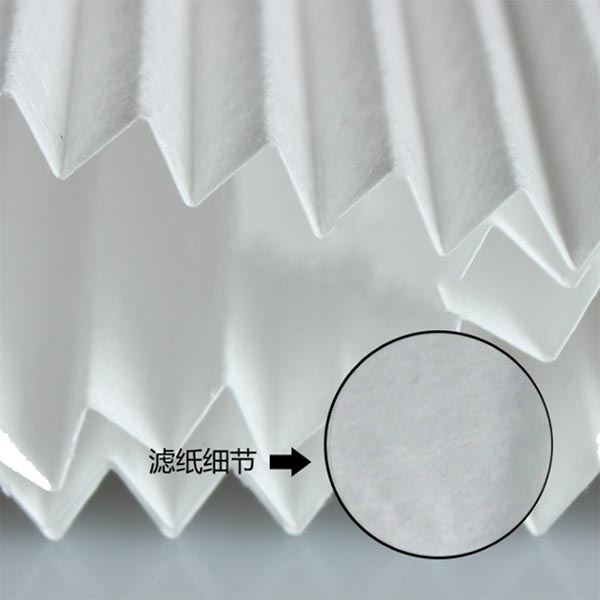
The type and weave of the filter media play a big role. Fiberglass fibers, melt-blown polypropylene, or nanofibers are common materials engineered to create a labyrinth that traps challenging 0.3 micron particles without heavily restricting airflow.
2. Airflow Rate
Filtration efficiency changes with airflow speed. Too fast, and particles are forced through the filter; too slow, and efficiency rises but so does energy consumption. Finding the right balance is essential.
3. Electrostatic Charge
Some filters use electrostatic forces to attract particles, enhancing capture rates at the 0.3 micron scale. This is especially useful in wearable masks or portable air purifiers.
4. Durability & Maintenance
Filter lifespan and how often it requires replacement influence how reliably it continues to trap particles of this size. Environmental conditions like humidity can degrade filter performance if not properly designed.
5. Certification & Testing Standards
Properly certified filters, tested under stringent ISO or ASTM standards, provide the confidence that devices filter 0.3 micron particles effectively. This is vital in hospital isolation wards or cleanroom labs.
Mini takeaway: Combining the right materials, airflow control, and standards creates filtration systems that proficiently handle 0.3 micron particles — a key to cleaner, safer air.
Real-World Applications Around the Globe
The importance of 0.3 micron filtration spans numerous sectors worldwide:
- Healthcare: HEPA filters in hospital vents and surgical suites guard patients against infectious aerosols, many around 0.3 microns in size.
- Manufacturing: Semiconductor fabs and pharmaceutical plants require dust-free environments, where even 0.3 micron contamination can cause defects or contamination.
- Disaster Relief: Post-disaster zones often have hazardous dust and debris, with emergency shelters employing portable air purifiers targeting 0.3 micron particulates to protect respiratory health.
- Residential Air Purifiers: Urban residents exposed to pollution gravitate toward air purifiers that explicitly list 0.3 micron filtration efficiency for allergy or asthma relief.
- Automotive Cabin Filters: Many modern vehicles use filters designed to clean 0.3 micron particles improving air quality inside the cabin — a small but mighty comfort feature.
It’s also noteworthy that in developing regions, NGOs increasingly invest in affordable 0.3 micron filtration systems to support vulnerable populations, showing a promising trend towards air quality equity.
Product Specification Table: Typical 0.3 Micron Hi-Grade Filter
| Specification |
Value |
| Particle Filtration Efficiency |
≥ 99.97% at 0.3 micron |
| Media Type |
Melt-blown polypropylene with electrostatic charge |
| Airflow Capacity |
250 cubic feet per minute (CFM) |
| Pressure Drop |
0.3 inches W.G. (water gauge) |
| Recommended Replacement |
Every 6 months |
| Operating Temperature |
-10°C to 60°C (14°F to 140°F) |
Comparing Leading Vendors on 0.3 Micron Filter Solutions
| Vendor |
Efficiency at 0.3 Micron |
Material |
Price Range (USD) |
Certifications |
| PureAir Technologies |
99.99% |
Nanofiber composite |
$45 - $90 |
ISO 29463, ULPA |
| EcoFilter Solutions |
99.97% |
Melt-blown polypropylene |
$30 - $60 |
ISO 29463, FDA |
| CleanAir Dynamics |
99.95% |
Glass fiber media |
$55 - $85 |
ASHRAE, ULPA |
The Advantages and Long-Term Value of Filtering 0.3 Micron Particles
When you think about investing in air purification systems, the benefit of targeting the 0.3 micron particle size is multifaceted. For starters, it means layers of protection — not just against common dust or visible pollutants, but a whole spectrum of invisible threats like viruses or ultrafine allergens. This brings peace of mind to homes, hospitals, and workplaces alike.
From a sustainability viewpoint, efficient 0.3 micron filters reduce the need for heavy ventilation or chemical cleaners, saving energy and lowering environmental footprints. Socially, cleaner air supports vulnerable groups like children, elderly, and industrial workers, improving quality of life and reducing health system burdens.
And if I may be honest, there’s also an emotional payoff — trust. Knowing the filter you rely on meets the stringent 0.3 micron efficiency standard builds confidence in your environment, whether it’s your living room or a sterile lab.
Future Trends & Innovations Around 0.3 Micron Filtration
The future looks promising. Innovations in nanofiber filters, smart sensors detecting particulate loads in real-time, and filters integrated with antimicrobial coatings are all coming into play. Green technology is pushing for bio-based and recyclable filter media, trimming environmental costs further. Plus, automation and IoT-enabled air quality management systems are allowing industries and buildings to optimize filtration dynamically — saving energy and ramping up safety on demand.
Especially fascinating is how digital transformation is intersecting with filtration tech, enabling predictive maintenance for filters certified at 0.3 micron efficiency. This means less downtime and better resource use — a real win-win on the horizon.
Overcoming Challenges in 0.3 Micron Particle Filtration
Of course, no solution is perfect. One recurring challenge is cost: high-efficiency filters can be expensive to produce and replace, limiting access for low-income users. Another issue is balancing filtration efficiency with airflow resistance — filters that trap 0.3 micron particles well may hamper ventilation if poorly designed.
There's also the maintenance hurdle. Filters clogged with trapped particles lose efficiency and can become contamination sources themselves. Smart filter indicators and modular designs are helping here, alongside community education efforts on replacement schedules.
Lastly, counterfeit or untested filter products flood some markets, losing the real protection promised by certified 0.3 micron filtration. Vigilance, strict certification, and transparent supply chains are key solutions.
Frequently Asked Questions About 0.3 Micron
-
Q: Why is the 0.3 micron particle size used as the standard benchmark for filter efficiency?
A: Because 0.3 micron particles represent the most penetrating particle size (MPPS), filters designed to capture these are effective for both smaller and larger particles. It sets a robust testing standard for filter performance.
-
Q: Can I rely on a filter rated for 0.3 micron particles to protect against viruses?
A: Many viruses attach to droplets that are larger than 0.3 microns, so high-efficiency filters rated at or better than 0.3 microns can significantly reduce airborne viral transmission, especially when combined with ventilation and hygiene.
-
Q: How often should filters targeting 0.3 micron particles be replaced?
A: Generally, such filters should be replaced every 6 to 12 months depending on use, air quality, and system airflow. Monitoring pressure drop and manufacturer recommendations is crucial.
-
Q: Are 0.3 micron filters expensive compared to standard air filters?
A: Yes, higher precision materials and testing drive costs up, but the improved air quality and health benefits often outweigh initial expenses, especially in critical environments.
Wrapping Up: Why We Should Care About 0.3 Micron Filtration
So, whether you’re a factory manager, a healthcare professional, or just someone who wants cleaner air at home, understanding the significance of the 0.3 micron particle measurement can guide better choices. The technology isn’t just technical jargon — it’s a front-line defense that affects everything from public health to industrial quality. It’s pretty remarkable that such a tiny measurement commands so much influence.
For those interested in exploring top-tier filtration solutions that excel at trapping 0.3 micron particles, I highly recommend visiting this site. It’s packed with detailed options that balance efficiency, cost, and real-world durability.
References:
1. WHO: Ambient Air Pollution
2. Wikipedia: Micrometre
3. ISO Standard 29463 on High-efficiency filters