Understanding Car Filter Paper: Why It Matters Worldwide
If you've ever wondered what keeps the air your car breathes clean, or why engines don’t clog up with grime, then car filter paper is your unsung hero. It might sound niche, but globally, this humble material is vital — from reducing harmful emissions to protecting engines, boosting fuel efficiency, and ultimately reducing environmental impact. With the automotive industry powering economies worldwide, knowing how car filter paper works helps us appreciate the science behind safer, greener vehicles.
More than just a sheet of fibrous paper, it’s a critical component to meet stringent pollution standards, support sustainability efforts, and improve vehicle longevity. So, why all the fuss? Because the better the filters, the cleaner the world’s air gets — and we all breathe that!
The Global Importance of Car Filter Paper in Today’s World
Fact: The United Nations Environment Programme (UNEP) estimates that over 90% of the world’s population breathes polluted air, contributing to millions of premature deaths annually. Now, picture millions of cars without effective filters spewing tons of soot and particulates into the atmosphere every day. Car filter paper plays a crucial role in trapping these tiny pollutants.
ISO standards on automotive filters (ISO 4548, for instance) have set clear expectations around filtration efficiency worldwide. Countries from Europe to Asia increasingly mandate such standards in emission controls. But here’s the kicker: despite global awareness, many developing regions still rely on outdated or counterfeit filter materials, posing a challenge for health and environment alike.
In a nutshell: improving car filter paper quality and availability worldwide is a win-win — cleaner air, fewer engine repairs, and closer alignment with climate goals.
What Exactly Is Car Filter Paper?
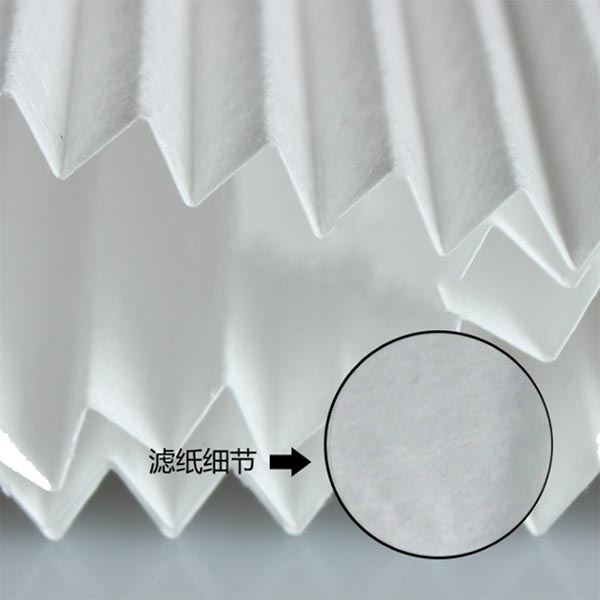
Simply put, car filter paper is a specialized, often cellulose-based fibrous media designed to catch dust, debris, and microscopic pollutants before they can enter the engine or cabin of a vehicle. Think of it as a super-fine coffee filter but for your car’s air intake or fuel system.
Modern car filter papers are engineered to balance fine filtration with airflow efficiency — a tricky tightrope because you want to catch everything without choking the engine’s breath. On a more humanitarian note, clean filters also ensure emissions controls work correctly, making cars safer for drivers and communities alike.
So, next time you get your air or oil filter replaced, that thin layer of paper inside is doing some serious work behind the scenes.
Core Components and Key Features of Car Filter Paper
1. Filtration Efficiency
This is the star feature. Good car filter paper must capture particles as small as 1 micron without impeding airflow. Achieving >99% filtration on dust and soot is common among premium products.
2. Durability and Moisture Resistance
Filters often face heat, oil vapors, and humidity in harsh engine conditions. Robust papers combine cellulose with synthetic fibers or water-repellent coatings to keep standing strong over thousands of miles.
3. Breathability (Airflow Capacity)
Oddly enough, better filtering isn’t just about trapping more dirt but allowing air to flow freely. Designing this balance affects engine performance and fuel economy.
4. Cost Efficiency
While premium filter papers offer more protection, manufacturers must balance quality with affordability—especially in high-volume mass-market vehicles or emerging markets.
5. Eco-Friendliness
Increasingly, biodegradable fibers and recycled materials find their way into car filter papers, aligning with broader sustainability trends.
Mini takeaway: you want car filter paper that’s tough, breathable, cost-effective, and good for the planet — no small feat to engineer.
Global Applications and Use Cases of Car Filter Paper
From bustling megacities to far-flung rural roads, car filter paper plays a vital role:
- Urban centers: With congested traffic and smog, vehicles rely on high-grade filter papers to comply with strict emissions regulations in Europe, Japan, and North America.
- Developing markets: Affordable, mass-produced filter paper keeps millions of vehicles running without expensive repairs, especially in regions like Southeast Asia and Africa.
- Industrial and mining zones: In places like Australia’s outback or Russia’s mining towns, specialized filters withstand heavy dust and contaminants.
- Humanitarian aid vehicles: In disaster relief or remote areas, reliable filter papers prevent breakdowns, ensuring critical missions continue uninterrupted.
For example, post-disaster convoys often face unpredictable environments where air pollution spikes dramatically. Proper car filter paper in those vehicles can prevent costly engine failure and keep supplies moving.
The Long-Term Advantages of Using Quality Car Filter Paper
Think of it from a driver’s perspective: reliable filter paper means fewer unexpected repairs, improved fuel efficiency, and a smoother drive. From a wider perspective, it means:
- Lower environmental footprint: Clean combustion and reduced particulate emissions.
- Greater vehicle longevity: Preventing dust and debris from wearing engine parts prematurely.
- Economic benefits: Less downtime, reduced maintenance costs, and improved resale value.
- Social impact: Cleaner air supports public health, especially in smog-prone cities.
And honestly, as engineers often say, “A reliable filter is like insurance you can't see but definitely need.”
Emerging Trends and Innovations in Car Filter Paper Technology
Innovation is buzzing. Here’s what’s new in the pipeline:
- Nanofiber enhancements: Ultra-fine layers trapping even smaller pollutants without choking engines.
- Biodegradable and recycled materials: Reducing environmental waste after filter disposal.
- Smart filters: Embedded sensors that monitor filter health and notify drivers when replacements are needed (part of the connected car trend).
- Improved hydrophobic treatments: Makes filters resistant to moisture and oil contamination, extending lifespan.
These advances promise more efficient and greener automotive performance, aligning with global sustainability goals.
Key Challenges and Proposed Solutions for Car Filter Paper
Despite its importance, a few hurdles remain:
- Counterfeit and low-quality products: These flood some markets, risking engine damage and pollution increases.
- Cost vs. performance trade-offs: Low-cost filters may compromise filtration efficiency.
- Environmental disposal: Used filter paper can flood landfills if not recycled properly.
Solutions? Stricter regulations, industry certifications, and improved recycling initiatives are key. Some vendors also offer take-back programs and promote reusable filter designs.
Car Filter Paper Specification Table
| Specification |
Typical Value |
Notes |
| Material |
Cellulose / Synthetic blend |
Balances cost and durability |
| Filtration Efficiency |
≥ 99% @ 1 micron |
Meets ISO 4548 standards |
| Airflow Resistance |
Low (pressure drop ≤ 25 Pa) |
Ensures good engine breathing |
| Max Operating Temp. |
120°C |
Suitable for most engine compartments |
| Moisture Resistance |
Hydrophobic coating |
Prevents fiber saturation |
Top Vendors of Car Filter Paper: A Quick Comparison
| Vendor |
Quality |
Price Range |
Sustainability Focus |
Global Reach |
| MFilter Solution |
High |
Mid to Premium |
Strong (uses recycled fibers) |
Worldwide |
| FilterTech Inc. |
Medium to High |
Mid |
Moderate |
Europe, Asia |
| EcoFibers Ltd. |
Medium |
Budget |
Very High (biodegradable products) |
Regional (North America) |
Frequently Asked Questions About Car Filter Paper
1. How often should I replace my car’s filter paper?
Generally, car filter paper in air or oil filters should be replaced every 12,000 to 15,000 miles, or as specified by your vehicle manufacturer. However, driving in dusty or polluted environments may require more frequent changes to maintain engine health.
2. Can I use any type of filter paper in my car?
Not really. Filter papers vary by vehicle type, engine specification, and performance needs. Using the wrong filter can reduce filtration efficiency or restrict airflow, potentially harming your engine’s performance and durability.
3. Are biodegradable car filter papers as effective as conventional ones?
Biodegradable filter papers are improving rapidly and offer comparable filtration in many cases. However, durability and moisture resistance can vary, so it’s best to choose certified products for critical applications.
4. What impact does low-quality filter paper have on emissions?
Poor filter paper allows dust and soot into the engine, reducing combustion efficiency and increasing harmful emissions. Over time, this can worsen pollution and lead to costly engine repairs.
5. How can I source certified car filter paper for my business?
Look for vendors complying with ISO standards, and request technical datasheets and product certifications. Companies like MFilter Solution offer reliable options worldwide with documented quality and sustainability commitments.
Wrapping It All Up: The Long-Term Value of Car Filter Paper
At first glance, car filter paper might seem like a minor detail — but in reality, it’s a linchpin in the global automotive ecosystem. The benefits ripple beyond just cleaner engines: better air quality, fewer emissions, longer vehicle life, and economic and health gains worldwide.
Whether you’re a manufacturer, fleet operator, or just a curious driver, paying attention to quality, sustainability, and innovation in filter paper can truly make a difference. For trusted products that tick all those boxes, feel free to check out MFilter Solution and explore how smart filter paper choices power a cleaner tomorrow.
References
- UN Environment Programme – Air Pollution Factsheet
- ISO 4548: Particle filtration performance of air filters for engines
- Wikipedia - Automobile particulate filter