Why Cured Filter Paper Matters: A Quick Overview
You might have heard "cured filter paper" tossed around in industrial or environmental discussions, but what does it really mean — and why now? In a nutshell, cured filter paper is specialized filtration media that's undergone a treatment process (curing) to boost its strength, lifespan, and performance in filtering particles and contaminants. This makes it vital in sectors as diverse as pharmaceuticals, food processing, water purification, and waste treatment.
Globally, the need for reliable filtration solutions has skyrocketed. According to the United Nations Water Quality reports, billions still face challenges accessing clean water, while industries struggle to meet tightening environmental standards. Cured filter paper offers a tangible solution — improving purity levels, cutting down waste, and supporting regulations.
Mini takeaway: Understanding cured filter paper means grasping a quiet but crucial hero in clean water access, efficient manufacturing, and environmental stewardship.
The Global Landscape of Filtration: Where Cured Filter Paper Fits In
The filtration industry is massive — markets forecasted to hit over $70 billion by 2027 (source: ISO standards and industry analysts). At a global scale, curing filter papers isn't just a niche step; it directly tackles persistent operational challenges. For example, unprocessed paper filters tend to degrade quickly, clog, or fail in high-moisture environments, leading to costly downtime or safety risks.
In developing countries, where infrastructure for water treatment and industrial filtration is still growing, cured filter paper can mean the difference between effectively filtering pathogens or clogged, ineffective systems. For advanced industries, it's often about consistency and compliance with international quality standards.
Mini takeaway: Simply put, cured filter paper is bridging gaps between resource limitations and technical demands worldwide.
What Exactly is Cured Filter Paper?
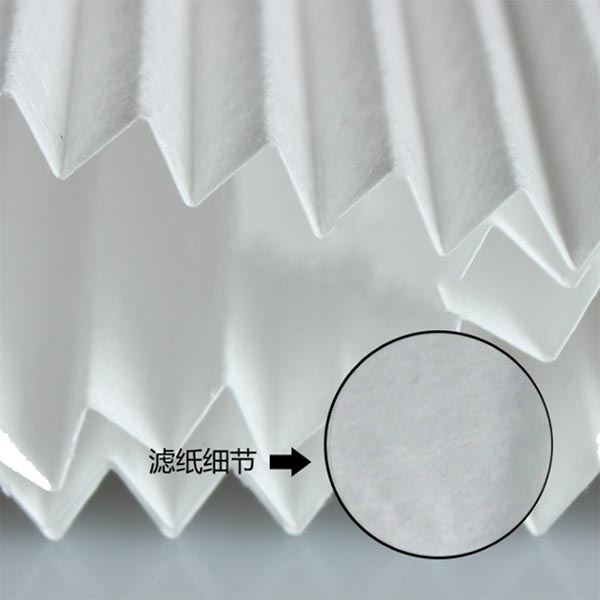
Think of regular filter paper as a fabric you can sew with, but cured filter paper as that same fabric that's been heat-treated, chemically stabilized, or reinforced to resist warp, shrinkage, or chemical attack. This “curing” process locks the structure into a more resilient form.
Effectively, it's filter paper that's ready to withstand rougher conditions — be it hot liquids, aggressive solvents, or fast-flow processes — without losing efficiency. This makes it a trusted choice in everything from environmental water testing kits to cigarette manufacturing’s demand for uniform particle capture.
Key Attributes at a Glance:
- Enhanced mechanical strength
- Improved chemical resistance
- Reduced deformation under stress
- Longer operational lifetime
Core Factors That Define Cured Filter Paper’s Effectiveness
1. Durability
It’s one thing to filter water once, and another to keep doing it seamlessly for hundreds (or thousands) of cycles. Curing hardens the filter fibers, so they don’t disintegrate under pressure or moisture. I've seen cases where untreated filters failed after just days — with curing, that lifespan often multiplies.
2. Chemical Compatibility
Industries often deal with volatile substances: acids, alkalis, oils. The cured coatings or treatments ensure the filter paper won’t chemically react or dissolve. Without this, you risk contamination or filter failure right when you can least afford it.
3. Consistency and Scalability
Manufacturers appreciate reproducible quality — each batch of cured filter paper tends to meet tight thickness, pore size, and filtration rates tolerances. This makes scaling processes feasible, whether for a lab or a full plant.
4. Cost Efficiency
On paper, curing adds cost. But in real terms, it reduces maintenance, product waste, and downtime. Over time, many engineers find cured filter paper cheaper per cycle than disposable alternatives.
5. Environmental Adaptability
From desert factories with dusty, dry air to humid tropical sites, cured filter paper performs reliably, resisting common environmental degradation.
Product Specification: Typical Cured Filter Paper
| Specification |
Value |
Notes |
| Base Material |
Cellulose or synthetic blend |
Varies by application |
| Curing Method |
Heat & chemical treatment |
Optimized per manufacturer |
| Thickness |
100 - 300 μm |
Controls flow rate and strength |
| Filtration rating |
0.45 - 5 μm |
Suitable for micro and macro filtration |
| Temperature resistance |
Up to 120°C |
Dependent on curing process |
| pH range suitability |
3 - 11 |
Good for most industrial fluids |
Real-World Applications of Cured Filter Paper
What’s really interesting is how widely cured filter paper is used — and how different users actually rely on it day to day. In environmental labs, it’s standard for filtering water samples to detect contaminants — pretty much anywhere you need clean, repeatable filtration.
In food and beverage processing (think brewing, dairies), cured paper filters keep products sanitary while managing high throughput. Meanwhile, the pharmaceutical sector demands sterile, chemically inert filters to ensure medicine quality, often trusting cured filter papers for specific filtration steps.
On a larger humanitarian or environmental scale, post-disaster relief operations often need rapid water purification solutions — here, cured filter paper integrated into compact filter units plays a lifesaving role.
And oddly enough, even industrial cigarette production depends on the uniform particle retention qualities of cured filter paper — a niche, but telling example of how diverse applications can be.
Vendor Comparison: Leading Cured Filter Paper Providers
| Vendor |
Material Types |
Curing Process |
Typical Industries |
Price Range (per unit) |
| FilterPro Inc. |
Cellulose, synthetic blends |
Heat + chemical curing |
Pharma, food & beverage |
$$$ |
| PureFlow Solutions |
Cellulose only |
Enhanced heat curing |
Water treatment, environment |
$$ |
| EcoCure Filters |
Organic fibers + bio-based resin |
Bio-curing process |
Sustainable packaging, food |
$$$ |
| RapidFilter Co. |
Synthetic blends |
Automated curing tech |
Industrial, chemicals |
$$ |
The Benefits of Opting for Cured Filter Paper
It’s tempting to think of filtration as a simple, disposable step — but cured filter paper brings sustainability and reliability into that story, for starters. Fewer replacements mean less waste and lower carbon footprint. That’s a big deal for manufacturers trying to meet ISO environmental standards.
On the emotional side, knowing your filtration media won’t fail under pressure builds trust — safety, dignity, and innovation converge here. For example, humanitarian water purification units depend heavily on having trusted cured materials when they’re deployed on a moment’s notice.
Then there’s cost: many operators report significant savings from reduced downtime and higher product quality. Kind of like investing in slightly more expensive but reliable shoes that last three times longer. Makes sense, right?
What’s Next? Emerging Trends in Cured Filter Paper
Frankly, the filtration world is buzzing about sustainability and automation. We’re seeing new bio-based curing agents replacing synthetic chemicals to reduce environmental impact. Digital sensor integration is another exciting frontier — imagine filters monitoring clogging or degradation in real time, feeding data to automated systems.
Some companies are pioneering nanotechnology coatings to deliver ultra-precise filtration without sacrificing flow rates. It’s all about smart materials that self-heal or warn users before failure.
Common Challenges and How Industry Is Tackling Them
Even with the many benefits, cured filter paper isn’t a magic bullet. Temperature limits still constrain some applications, and chemical compatibility can be a puzzle when dealing with aggressively corrosive materials.
To overcome these, specialists are layering cured filters with supplementary membranes or integrating advanced resin chemistries. Plus, better quality control protocols ensure less batch variability — something many users had to learn the hard way.
FAQ About Cured Filter Paper
- Q: How long does cured filter paper typically last under industrial use?
- A: This varies by application, but generally cured filter paper lasts two to five times longer than untreated counterparts, sometimes enduring hundreds of filtration cycles without significant degradation.
- Q: Is cured filter paper reusable, or strictly single-use?
- A: While many industry standards treat cured filter paper as single-use to maintain sterility, some lower-contamination processes allow limited reuse if handled carefully.
- Q: Can cured filter paper be customized for specific filtration needs?
- A: Absolutely. Vendors often tailor pore size, thickness, and curing processes to meet particular chemical compatibility or filtration rate requirements.
- Q: Is cured filter paper environmentally friendly compared to synthetic filters?
- A: Cured filter paper generally has a better environmental profile, especially those made from sustainably sourced cellulose and cured via eco-friendly methods. However, lifecycle assessment depends on disposal practices and chemical treatments.
In Closing: Why Choose Cured Filter Paper?
In an increasingly quality-driven and eco-conscious world, cured filter paper feels like a wise middle ground between disposable convenience and industrial robustness. Across industries and continents, it helps protect resources, improve processes, and deliver peace of mind. Whether you’re running a water testing lab in a remote location or scaling production in a bustling plant, having trusted, resilient filtration media is invaluable.
Ready to explore sustainable, high-performance filtration options? Visit our website: cured filter paper to discover how cutting-edge cured filter paper products can elevate your filtration systems. It just might be the upgrade your operation’s been needing.
References:
1. United Nations Water Quality Report
2. ISO Environmental Management Standards
3. Wikipedia - Filter Paper