Understanding Filter Mould: An Overlooked Hero in Modern Filtration
Filter mould might sound like a niche manufacturing term, but its significance stretches far beyond factory floors. Globally, effective filtration impacts health, environmental conservation, industry, and disaster aid, among many sectors. Getting a solid grasp on filter mould technology unlocks pathways to cleaner water, greener production processes, and more resilient humanitarian solutions.
The Global Context: Why Filter Mould Matters More Than Ever
In 2023, the World Health Organization flagged that over 2 billion people lack access to safely managed drinking water. Industrial expansion, urbanization, and climate change put further pressure on water and air quality worldwide. Pollution standards have tightened, yet the demand for filtration solutions has exploded.
Filter moulds lie quietly at the heart of this transformation. The International Organization for Standardization (ISO) standards for filter manufacture highlight not only quality but also environmental sustainability—an increasingly crucial lens.
However, industries and NGOs alike face challenges around producing customizable, durable, and cost-effective filtration components quickly. The right filter mould technology addresses those problems head-on.
What Is a Filter Mould, Anyway?
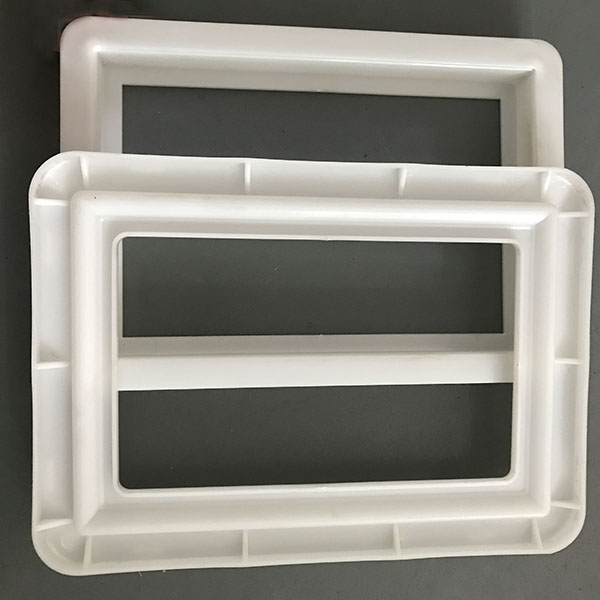
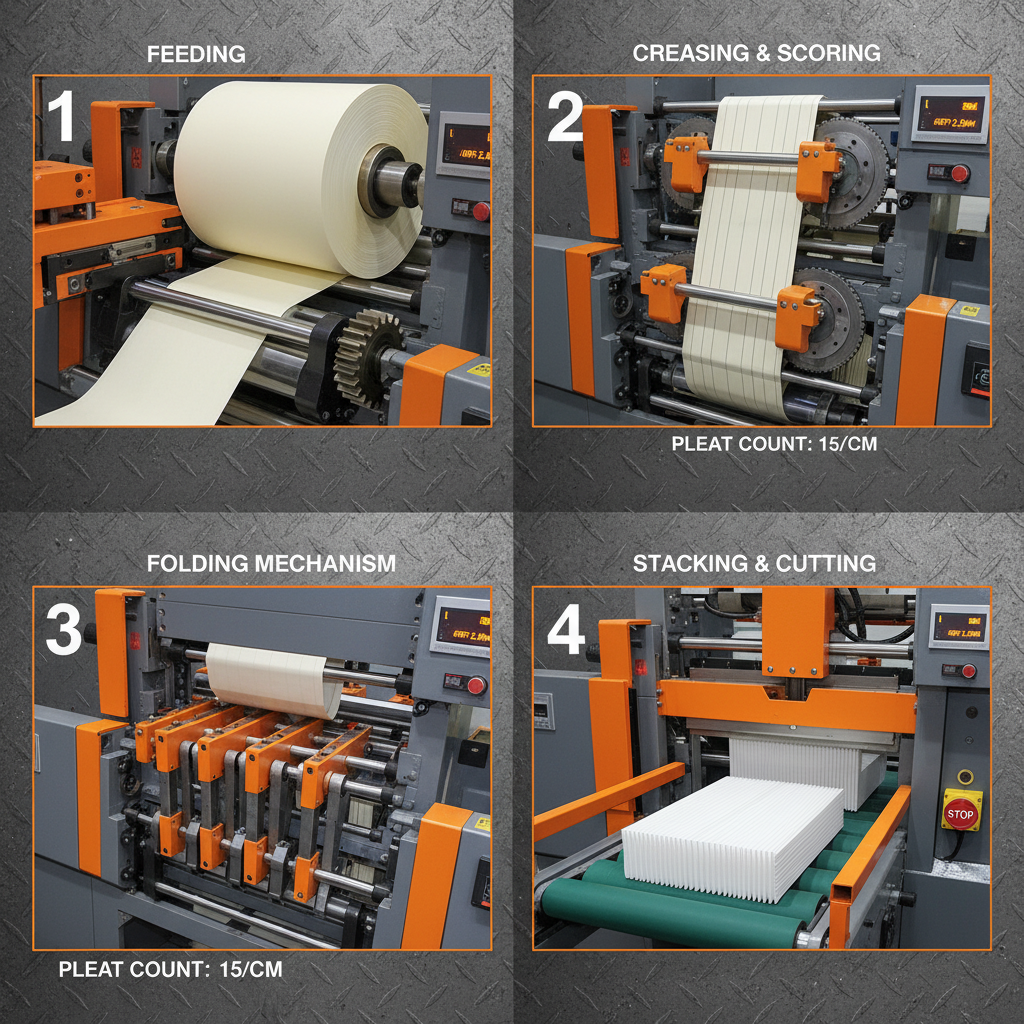
At its essence, a filter mould is the specific form or cavity used in manufacturing to shape filter media or filter housings—think of it as the “cookie cutter” from which filtration “cookies” emerge. Usually crafted from metal alloys or high-grade polymers, these moulds dictate the size, pattern, and structure of filters that users rely on.
Whether it's water filters for rural clinics, industrial air filtration units, or dust collection in factories, the mould’s precision and material choice directly impact product function and longevity.
Mini takeaway:
- Filter mould defines the shape and durability of filtration solutions.
- It bridges design and production, influencing effectiveness downstream.
Core Components and Critical Factors
1. Material Durability
Filter moulds endure high pressure, rapid temperature changes, and corrosive substances, so materials like hardened stainless steel or treated aluminum are common. The better the materials, the longer the mould’s lifespan, which means consistent filter quality—a point many engineers swear by.
2. Precision & Scalability
The mould’s design precision is crucial because even a minor flaw can result in major filtration performance issues. Thanks to CAD and CNC technologies, manufacturers can create finely detailed moulds scalable to large output volumes without losing quality.
3. Cost Efficiency
Investing in a high-quality filter mould might seem pricey upfront, but the cost savings come through fewer rejects, faster production cycles, and enhanced filter functionality. It's kind of like investing in good shoes—you buy once and reap benefits for years.
4. Flexibility and Customization
Different filtration needs call for different geometries. For example, ultra-fine filters need denser patterns, while industrial vents require larger pores. Adjustable mould designs allow manufacturers to switch between products more smoothly.
5. Environmental Impact
Some vendors now focus on eco-friendly mould coatings that reduce waste and energy use. The emerging trend is toward sustainable manufacturing, aligning with ISO 14000 environmental management standards.
Mini takeaway:
- Durability and precision are non-negotiable for quality filters.
- Customizable and eco-conscious designs reflect the demands of modern markets.
Applications Across the Globe: Filter Mould in Action
It’s fascinating how this technical component subtly supports many vital functions. In post-disaster relief operations, filters produced from expertly crafted moulds remove pathogens from water where infrastructure is damaged. Places like Bangladesh, India, and Sub-Saharan Africa heavily rely on these compact water filtration systems.
In industrial settings—think mining in Australia or chemical plants in Germany—filters manage hazardous particles and protect worker health. The automotive sector also leverages filter mould innovation for cleaner air intake systems in increasingly eco-conscious vehicles.
NGOs use filter mould-produced items for refugee camps and emergency shelters, ensuring rapid deployment of safe water solutions. Frankly, these moulds feel like unsung enablers of public health and environmental protection.
Advantages: Why Invest in Quality Filter Mould Technology?
- Cost Savings: Longer mould lifespan and fewer defective units save money in the long run.
- Sustainability: Eco-friendly materials and production lower environmental footprints.
- Reliability: Consistent filter performance builds trust and safety, especially in humanitarian work.
- Innovation: Modern mould design integrates digital technologies, speeding product development.
- Social Impact: Clean water and air mean healthier communities; that’s a powerful incentive.
Filter Mould Product Specifications
| Specification |
Typical Value |
Notes |
| Material |
Hardened Stainless Steel (316L) |
Corrosion-resistant, high durability |
| Max Operating Temperature |
350°C |
Suitable for industrial filtration |
| Mould Cavity Precision |
±0.02 mm |
Ensures tight filter tolerances |
| Cycle Time per Filter |
30 seconds |
Varies by complexity |
| Estimated Lifespan |
> 500,000 cycles |
Dependent on maintenance |
| Eco-friendly Coating |
Ceramic-based |
Improved wear resistance |
Comparing Leading Filter Mould Vendors
| Vendor |
Material Options |
Production Capacity |
Customization |
Sustainability Initiatives |
Price Range |
| MFilter Solutions |
Stainless Steel, Aluminum, Polymer |
Up to 10,000 units/month |
High (CAD & CNC driven) |
Yes (ISO 14001 certified) |
$$$ |
| FilterMouldTech |
Steel Alloys only |
~5,000 units/month |
Medium |
Limited |
$$ |
| EcoMould Co. |
Polymer-based |
~15,000 units/month |
Medium |
Strong focus on biodegradables |
$ |
Future Trends & Innovations in Filter Mould Technology
Looking ahead, automation and digital design tools are revolutionizing filter mould production. Additive manufacturing or 3D printing enables rapid prototyping and bespoke mould designs with complex pore architectures previously impossible to produce.
Green energy sources powering factories and biodegradable coatings are no longer nice-to-haves but expected developments. Some companies are already integrating sensor arrays in moulds to predict wear and prevent defects before they happen. It feels a bit like science fiction, but that’s where the industry is heading fast.
Challenges & Cutting-Edge Solutions
One pesky challenge is balancing mould rigidity with flexibility since overly hard moulds sometimes struggle with intricate designs. Another issue? High tooling costs that can price out small providers.
Novel materials such as hybrid composites and surface treatments tackle these problems, offering better wear resistance and lower costs. Plus, collaborative platforms where designers share open-source mould designs could democratize access in coming years.
FAQ: Your Filter Mould Questions Answered
- How do filter moulds affect the filtration quality?
- The precision of the mould directly impacts filter pore size and shape, which determines the filtration efficiency. A high-quality mould produces consistent filters, reducing defects and ensuring reliable performance.
- Can filter moulds be customized for different industries?
- Absolutely. Depending on requirements—be it water filtration, air purification, or industrial dust collection—moulds can be tailored in design, material, and scale to meet specific functional needs.
- What’s the typical lifespan of a filter mould?
- Lifespan varies by material quality and maintenance but generally ranges from hundreds of thousands to over a million production cycles. Proper care extends usability significantly.
- Are filter moulds easy to replace or update?
- Many manufacturers provide modular mould systems that simplify replacements and upgrades, minimizing downtime and production losses.
- How environmentally friendly are filter mould manufacturing processes?
- Recent advances focus heavily on reducing waste through recyclable materials and energy-efficient processes. Vendors with ISO 14001 certification are preferable for sustainability-minded buyers.
In Closing: Why Filter Mould Technology Is Worth Your Attention
Filter moulds may not grab headlines except in technical circles, but their ripple effects touch everyone—from rural farmers accessing clean water to urban industries meeting regulation. Embracing advancements in this field means safer, greener, and smarter filtration solutions for tomorrow.
Ready to explore more about filter mould innovations and products? Dive into MFilter Solutions’ portfolio for customized options that blend durability, precision, and sustainability.
References
- World Health Organization - Drinking Water Fact Sheet
- ISO 14001 Environmental Management
- Wikipedia - Water purification