Getting to Know Hot Melt Sticks: Why They Matter Worldwide
If you've ever handled a glue gun or wrapped a cardboard box, you’ve probably seen hot melt sticks in action. These slender rods of thermoplastic adhesive have quietly powered a vast array of industries — from packaging to electronics, automotive to crafts. Globally, hot melt sticks are a cornerstone of efficient bonding solutions, offering speed, strength, and versatility. Understanding their core benefits can reveal why they’re more than just “glue sticks” — they're a subtle yet indispensable element in modern manufacturing and even humanitarian efforts.
Spread across every continent, hot melt sticks serve as a backbone in logistics, construction, and even remote aid distribution, helping seal and secure in seconds without fuss. That rapid bonding capability translates into huge operational savings — less downtime, fewer materials wasted, and lower environmental impact compared to solvent-based adhesives.
Mini takeaway: Hot melt sticks are surprisingly fundamental to countless sectors worldwide, blending speed and eco-friendliness, which in turn accelerates productivity and supports global supply chains.
The Global Footprint of Hot Melt Sticks: A Hot Commodity
It’s fascinating how such a small product plays a big role internationally. According to the International Organization for Standardization (ISO), adhesives market growth is climbing steadily, with thermoplastic hot melt variants capturing a rising market share due to their environmental advantages and ease of use.
UN reports signal that as industries evolve in developing areas — particularly in Africa and Asia — hot melt technologies help reduce manufacturing waste and energy consumption. This is crucial, given the world’s mounting focus on sustainable production (read: less chemical solvents, faster assembly lines).
Yet, challenges remain: inconsistent quality among suppliers and temperature sensitivity in hot regions can pose real problems. That’s precisely where the innovation around hot melt sticks becomes critical — making them tailored to various climates, applications, and usage speeds.
Mini takeaway: Hot melt sticks have global relevance not just in high-tech factories but also in emerging markets where sustainable, efficient bonding is more than convenience — it’s a lifeline.
What Exactly Are Hot Melt Sticks?
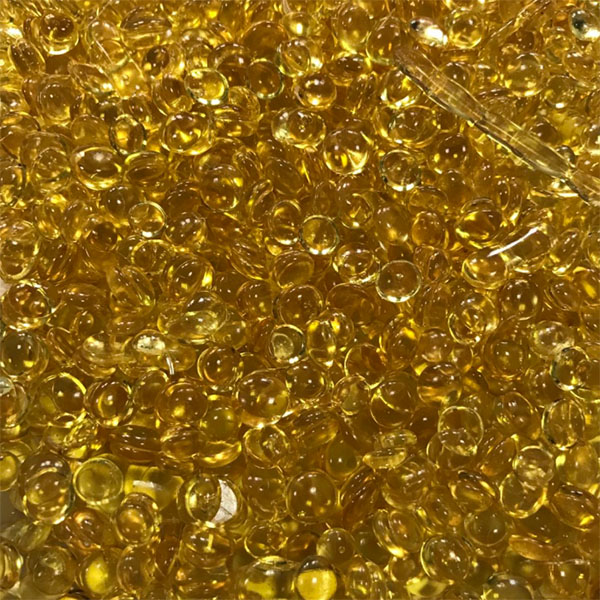
At its core, a hot melt stick is a cylindrical rod made of thermoplastic polymers designed to melt at a moderate temperature and form a strong adhesive bond upon cooling. Simply put, they're the “fuel” for glue guns — turn up the heat, and these sticks liquefy into a sticky glue that hardens quickly.
Though this sounds simple, these sticks are a marvel of material science. Most hot melt formulations are carefully blended with tackifiers, polymers, and waxes, each tweak adjusting bond strength, flexibility, and melting points to serve everything from delicate electronics assembly to rugged outdoor packaging.
Interestingly, humanitarian groups use hot melt adhesives in disaster zones for speedy repairs or constructing temporary shelters — the quick-dries and minimal equipment required mean less time, less waste, and faster relief delivery.
Mini takeaway: Hot melt sticks are specialized, adaptable adhesives whose properties can be fine-tuned to fit diverse industrial, commercial, and humanitarian needs.
Core Components & Key Factors for Hot Melt Stick Performance
1. Durability
Good hot melt sticks hold up under stress and time. They resist cracking, moisture, and temperature shifts. For instance, packaging must stay intact through transportation bad weather; an adhesive that fails would mean lost goods or extra cost.
2. Melt Flow Rate (Viscosity)
The ease at which a stick melts and flows affects application speed and bond coverage. Manufacturers balance this to suit either fast conveyor-line use or slow, precise arts and crafts.
3. Adhesion Versatility
Some sticks bond well with plastic, others prefer paper, fabrics, or metals. Select sticks enrich manufacturers’ options, especially in multi-material assembly lines like car interiors or electronic gadgets.
4. Environmental Safety
Many hot melt sticks are now formulated to be solvent-free and low in VOCs, helping meet regulations like EPA VOC standards.
5. Cost Efficiency
As simple as they look, these sticks can drastically cut costs — less energy input for melting, no drying time, and minimal waste versus liquid glues.
6. Customization
Colors, melting points, and sizes can be customized to client demands, making hot melt sticks not just commodity products but precision tools.
Mini takeaway: The technical nuances in hot melt sticks dictate their real-world value — from flow and durability to environmental friendliness and price.
Real-World Applications Across the Globe
In industrial hubs like Germany and China, hot melt sticks pack assembly lines for fast goods packaging and bonding automotive parts. Their rapid melt-and-bond nature boosts throughput, essential in large factories. Meanwhile, in remote post-disaster zones, NGOs leverage them for quick construction fixes or sealing water containers — situations where traditional adhesives just won’t cut it.
Regions with humidity challenges, like Southeast Asia, benefit from specially formulated moisture-resistant sticks, preventing bond failure in hot, damp climates. Did you know many packaging industries in the US and Europe prefer hot melts for their near-instant setting time versus slower drying glues, considerably speeding delivery?
Construction, woodworking, bookbinding, and even the arts and crafts sectors rely on hot melt sticks as reliable go-tos. This makes them truly global — both a mass-market and niche product.
Mini takeaway: Hot melt sticks demonstrate impressive global adaptability, fitting local needs across industries and climates with tailored formulations.
Advantages and Long-Term Value You Can Count On
- Cost Savings: Less waste, minimal energy usage.
- Eco Benefits: Solvent-free, does not emit harmful VOCs.
- Reliability: Strong bonds resistant to aging and environmental stress.
- Speed: Rapid set time means operational efficiency.
- Safety & Innovation: Safe to handle, constantly improved with new synthetic blends.
- Social Impact: Used in humanitarian efforts where alternatives aren’t practical.
In short: working with hot melt sticks feels like trusting a product that does its job quietly but effectively, day in and out.
Hot Melt Sticks: What’s Next?
Looking ahead, innovation is moving towards greener and smarter adhesives. Bio-based polymers and recycled raw materials are entering production to reduce carbon footprint further. Automation integration, like robotic glue dispensers programmed for different products, is enhancing precision and cutting labor costs.
Materials science is also looking at “smart” hot melt sticks that adjust their bonding strength post-application or enable easy disassembly for recycling, a big deal in circular economy efforts.
Mini takeaway: The future for hot melt sticks lies in sustainability and technology convergence, promising smarter, cleaner bonding solutions.
Challenges on the Road and How Experts Tackle Them
Despite all the strengths, hot melt sticks face limitations like temperature sensitivity — too hot can degrade bonds, too cold makes them brittle. Supply chain bottlenecks also mean consistency can vary.
Industry experts mitigate this by rigorous quality control, customized formulations for climate and use, and educating end users on proper handling. Some advanced sticks feature additives to widen workable temperature ranges, reducing failure risks.
Mini takeaway: Challenges are real, but continuous innovation and expert best practices keep hot melt sticks reliable and widely usable.
FAQ: Your Hot Melt Sticks Questions Answered
- Q: What makes hot melt sticks preferable over traditional liquid adhesives?
- A: Hot melt sticks offer rapid setting times and solvent-free application, which results in faster production cycles, less mess, and improved environmental safety. They don’t require drying, dramatically reducing downtime.
- Q: Can hot melt sticks bond a variety of materials?
- A: Yes, depending on formulation, hot melt sticks can bond cardboard, plastics, metal, fabrics, and wood, making them flexible tools in multi-material manufacturing.
- Q: How should hot melt sticks be stored for longevity?
- A: Keep them in a cool, dry place away from direct sunlight and humidity. Proper storage preserves their bonding qualities and shelf life.
- Q: Are hot melt sticks safe to use in food packaging?
- A: Certain hot melt adhesives comply with food safety standards (FDA or EU) and are designed specifically for direct or indirect contact packaging applications.
- Q: What is the typical lifespan of a hot melt bond?
- A: Properly applied bonds can last years — some industries count on five to ten years of reliable adhesion under normal environmental conditions.
Hot Melt Sticks Product Specifications at a Glance
| Property |
Typical Value |
Remarks |
| Rod Diameter |
7 mm / 11 mm |
Standard sizes for glue guns |
| Melting Point |
110-180 °C |
Depends on formulation |
| Tensile Strength |
10-25 MPa |
High bonding power |
| Open Time |
10-60 sec |
Applicator dependent |
| Shelf Life |
12-24 months |
Stored properly |
Comparing Top Hot Melt Stick Vendors
| Vendor |
Product Range |
Lead Time |
Customization |
Sustainability Focus |
| MFilterSolution |
Wide variety including eco-friendly |
1-2 weeks |
Full color & size options |
Yes, bio-based & recycled materials |
| StickPro Adhesives |
Standard & industrial grades |
3-4 weeks |
Limited |
Minimal |
| EcoBond Solutions |
Green certified adhesives only |
2-3 weeks |
Moderate |
Strong emphasis |
Final Thoughts
Hot melt sticks are more than just everyday products; they’re a nexus of science, practicality, and global industry needs. Their role in speeding up production, reducing environmental impact, and enabling emergency solutions makes them quietly indispensable. If you want to dive deeper or update your supply chain with reliable hot melt sticks, I highly recommend checking out hot melt sticks suppliers like MFilterSolution — personal experience tells me they’re a solid bet for quality and customization.
Thanks for wandering through the ins and outs of hot melt sticks with me. If you think about adhesives differently now, well — I’ve done my job.
References:
1. ISO Adhesives Standards
2. Wikipedia: Hot-melt adhesive
3. EPA VOC Impact