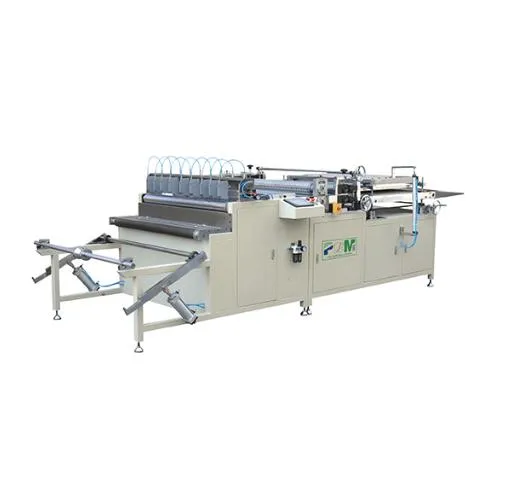
The Growing Importance of HV Filter Paper in Modern Industry
When you hear "hv filter paper," you might initially think it's just another technical component tucked away inside electrical appliances. But, in the grand scheme of global industry and energy management, hv filter paper (high voltage filter paper) plays a surprisingly vital role. It’s the silent workhorse ensuring reliability, safety, and efficiency in power transformers and electrical devices worldwide. Understanding its properties and applications matters because, frankly, modern energy grids and industrial systems depend on this unsung material to function without disruption.
With the world pushing harder into sustainable energy, smarter grids, and ever more compact electronics, the demands on hv filter paper have evolved drastically. So, buckle up—we’ll demystify this topic, explore its global relevance, and see how it shapes industries from manufacturing to humanitarian relief.
The Global Context: Why HV Filter Paper Matters
Power consumption worldwide hasn’t just grown; it’s transformed. According to the International Energy Agency, global electricity demand will increase by roughly 50% by 2050. With such growth comes the need for durable, efficient insulation and filtering in transformers and high voltage equipment—exactly where hv filter paper steps in.
What’s fascinating is that filter paper’s importance isn’t limited to just developed economies with their sprawling grids. In emerging markets and remote industrial areas, the robustness of electrical infrastructure often hinges on components like hv filter paper performing without failure—sometimes in extreme environmental conditions.
Yet problems remain, especially in maintenance and quality control. Without proper filter media, transformers risk overheating, performance drops, or even dangerous breakdowns. That raises the stakes for innovation, quality, and understanding in the supply chain.
Mini takeaway:
- Global energy demands push the need for reliable insulation solutions.
- HV filter paper is critical in both mature and developing electrical grids.
- Failures often come down to material quality and design.
What Exactly is HV Filter Paper?
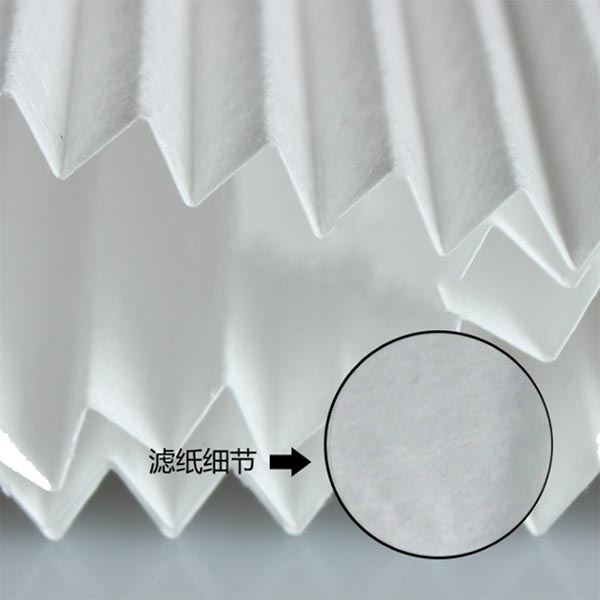
Simply put, hv filter paper is a specialized insulating paper designed for use in high voltage electrical equipment. It’s not your average pulp paper; think of it as a carefully engineered, cellulose-based sheet optimized to filter, insulate, and support electrical currents without breaking down.
In essence, it acts as both a physical barrier and an electrical insulator inside transformers, reactor coils, and high voltage capacitors. The "filter" part comes from its role in allowing oils or fluids inside transformers to flow through and get cleaned of impurities, boosting longevity and efficiency.
Modern hv filter paper is usually made from high-purity cellulose fibers processed to withstand electric stress, mechanical strain, and chemical attack from transformer oils.
Mini takeaway:
- HV filter paper is engineered cellulose insulation for electrical equipment.
- It serves dual functions: insulation plus filtering of transformer fluids.
- Its quality directly impacts equipment lifespan and safety.
Core Characteristics of HV Filter Paper
Durability and Dielectric Strength
The paper must resist electrical discharge under high voltage without splitting or losing integrity. Typical dielectric strengths range from 25 to 35 kV/mm, depending on type and thickness. Many engineers note that in the field, the difference between a 30 kV and a 35 kV rating can be the difference between smooth operation and catastrophic failure.
Moisture Resistance
Transformer oils routinely interact with filter paper, so moisture uptake can degrade dielectric performance. HV filter papers are often treated or manufactured to limit water absorption. This ensures that even under humid conditions, insulation performance stays consistent.
Thermal Stability
Given transformers can heat up considerably, hv filter paper must tolerate temperatures up to 120°C or beyond without significant deterioration. The paper’s thermal rating directly influences maintenance cycles and reliability.
Oil Compatibility
This is a subtle but crucial factor. The filter paper must not only survive immersed in mineral oil but also permit oil flow, contributing to the filtering process that keeps debris, sludge, and gases from accumulating.
Customizability and Thickness Variants
Depending on application, thickness ranges roughly from 0.05mm to 0.25mm. Some projects require layered papers combined with polymer films for added protection or flexibility.
Practical applications demand these features work in harmony. You don’t want insulation that’s tough but cracks under moisture. Or a paper that blocks oil flow and causes overheating.
Mini takeaway:
- Durability and electrical resistance are non-negotiable.
- Moisture and thermal tolerance greatly affect performance.
- Oil compatibility and filtration role separate hv paper from other cellulose papers.
Where Is HV Filter Paper Used Around the World?
HV filter paper is central to several industries:
- Power Transformers: The largest consumer globally, especially in areas expanding grid infrastructure like Asia-Pacific and Africa.
- Industrial Manufacturing: For motors, reactors, and power conditioners supporting factories worldwide.
- Renewables: Wind turbines and solar inverters incorporate HV filter paper for safe energy conversion.
- Disaster Relief and Humanitarian Operations: Portable transformer units and electrical gear deployed in emergency zones rely on durable filter paper to stay functional under stress (like post-tsunami grids or remote mining camps).
- Automotive: Electric vehicles increasingly adopt high voltage systems, where tiny hv filter papers inside battery management systems ensure clean power flow.
To illustrate, a recent case study in sub-Saharan Africa showed a power grid upgrade project that switched to higher-grade filter paper types. Result? Transformer outages reduced by nearly 40% in two years—saving both costs and community downtime.
Mini takeaway:
- HV filter paper is truly global, used in traditional and emerging sectors.
- Real-world benefits shine especially in harsh environments.
- Its role in sustainability and reliability can’t be overstated.
Advantages and Long-Term Value of Quality HV Filter Paper
It’s tempting to look at hv filter paper as a small cog, but the benefits ripple out:
- Cost Efficiency: High-quality paper means fewer transformer failures, reducing repair and replacement budgets substantially over time.
- Sustainability: Longer transformer life means less waste and resource consumption—both critical in global climate goals.
- Reliability & Trust: Downed power has social and economic consequences—from hospitals losing power to disrupted communications. Proper filtering paper supports stable supply.
- Safety & Peace of Mind: Proper insulation reduces the risk of electrical fires or catastrophic breakdowns.
Plus, from a human angle, engineers tell me the confidence of working with trusted paper products often shapes project success as much as specs. It’s one of those details that quietly anchors entire teams.
A Quick Look at Product Specifications
| Specification |
Typical Value |
Notes |
| Thickness |
0.08 - 0.20 mm |
Varies by application |
| Dielectric Strength |
30 kV/mm |
Measured at 20°C |
| Moisture Content |
| Low moisture improves lifespan |
| Operating Temperature |
80 - 120°C |
Depends on paper grade |
| Oil Absorption |
High |
Ensures effective filtering |
Vendor Comparison: Choosing the Right HV Filter Paper Supplier
| Vendor |
Product Range |
Quality Certifications |
Delivery Time |
Pricing |
| AlphaCell Papers |
Wide (0.05–0.25mm) |
ISO 9001, RoHS |
2–3 weeks |
Mid-range |
| Beta Electrical Solutions |
Specialized HV grades |
ISO 14001, UL Listed |
1–2 weeks |
Premium |
| Gamma Filters Inc. |
Limited (standard grades) |
ISO 9001 |
3–4 weeks |
Budget |
Looking Ahead: Trends Shaping the Future of HV Filter Paper
It feels like every year throws something new into the tech stew—and hv filter paper’s no exception. Current trends include:
- Eco-friendly Materials: Biodegradable papers and recycled cellulose are attracting attention for greener transformer design.
- Nanotech Enhancements: Some labs experiment with nano-coated fibers improving dielectric strength and moisture resistance.
- Digital Quality Assurance: Smart sensors to monitor filter paper condition inside transformers for predictive maintenance.
- Customization: Growing need for bespoke thicknesses and composite materials tailored for niche renewable or electric vehicle markets.
Though these are early days, the trajectory is clear: meet the rigid tech demands but reduce environmental and economic costs.
Common Challenges and How Industry Tackles Them
Sure, no material is perfect. Issues we often hear about include:
- Variability in Raw Material Quality: Cellulose sourced from different wood types can affect consistency.
- Moisture Intrusion Over Time: Even treated papers can degrade where humidity control fails.
- Manufacturing Defects: Tiny pinholes or impurities drastically affect dielectric reliability.
Industry responses? Enhanced screening during paper processing, advanced treatment techniques, and collaboration between suppliers and transformer manufacturers. Plus, predictive maintenance using IoT devices increasingly spots degradation before failure.
FAQ: Frequently Asked Questions About HV Filter Paper
- Q: How does hv filter paper affect transformer lifespan?
- A: High-quality hv filter paper improves insulation integrity and oil filtration, which reduces overheating and mineral oil degradation, leading to longer transformer service life—often by years compared to low-grade alternatives.
- Q: Can hv filter paper be used in renewable energy equipment?
- A: Absolutely. Many wind turbines and solar converters require robust insulation materials. HV filter papers adapted to variable loads and temperatures perform well in these settings.
- Q: What certifications should I look for when purchasing hv filter paper?
- Look for ISO 9001 for quality management and environmental standards like RoHS or ISO 14001. UL listing can also be a mark of trust, especially in electrical safety.
- Q: How do environmental conditions impact the performance of hv filter paper?
- Humidity and temperature swings can degrade filter paper over time. Selecting papers with moisture-resistant treatment and proper thermal ratings is essential for stable operation.
- Q: Are there eco-friendlier options available?
- Yes. More manufacturers are exploring recycled cellulose and biodegradable treatments while maintaining performance, responding to growing sustainability demands.
Conclusion: Why HV Filter Paper Deserves Your Attention
It’s easy to overlook a sheet of paper when thinking about high voltage equipment. But hv filter paper quietly bolsters the backbone of modern electrical infrastructure globally. From delivering uninterrupted power to remote communities, supporting green energy advances, to ensuring industrial reliability, it’s a material that packs serious punch.
Next time you pass a power plant or hear about grid expansions, remember there’s a whole story behind the paper inside those transformers—standing up to heat, voltage, moisture, and time.
If you’re keen to learn more or shop quality hv filter papers, visit our website — hv filter paper. Because good insulation literally keeps the lights on.
References
- Transformer Oil - Wikipedia
- ISO 9001 Quality Management Systems
- IEA Global Energy Review 2021