Understanding Square Oil Filter Paper: A Small Component with Global Impact
If you’ve ever wondered how heavy machinery, engines, and industrial equipment keep performing without choking on contaminated oil, the answer often includes something as unassuming as square oil filter paper. Oddly enough, this simple piece of paper plays a pivotal role in global industry by filtering out contaminants, ensuring engine longevity, and supporting sustainable operations worldwide. In a world dependent on machinery, understanding this product’s function and value is more important than it might first seem.
Introduction: Why Square Oil Filter Paper Matters Globally
The demand for reliable, clean lubrication systems transcends industries and borders. According to the International Organization for Standardization (ISO), maintaining oil purity can improve machine efficiency by as much as 30%. Across continents—from sprawling manufacturing plants in Asia to remote agricultural machinery in Africa—the need for effective oil filtration remains crucial. The global market for oil filtration papers continues to grow annually by around 5%, driven by rising industrialization and stricter environmental protocols.
But here’s the catch: much of this growth hinges on improving the quality and accessibility of filter media such as square oil filter paper to trap microscopic contaminants. Without it, machines suffer accelerated wear; costs balloon, and environmental waste increases. So this tiny paper is, in essence, a frontline defender for global industry’s operational health.
Mini takeaway:
- Square oil filter paper is vital for machinery longevity worldwide.
- Its role links closely with industrial growth, environmental standards, and cost control.
What Exactly Is Square Oil Filter Paper?
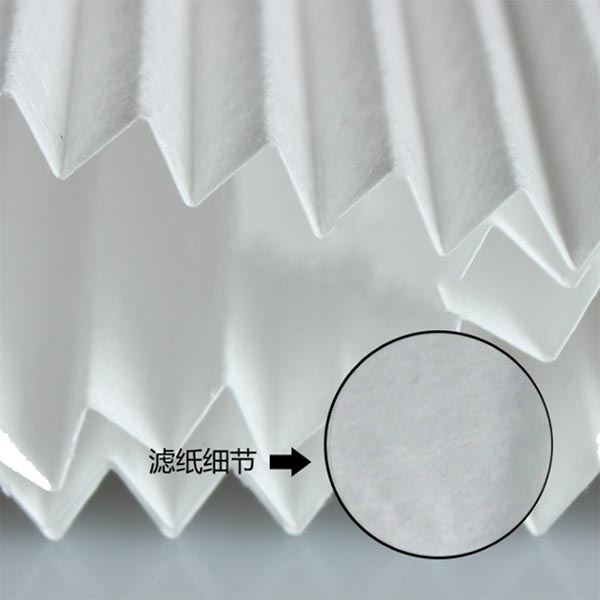
Simply put, square oil filter paper is a specially designed paper medium shaped typically in square sheets, used inside oil filters to trap impurities from lubricating oils. Much like sifting flour to remove lumps, this paper strains out dust particles, metal shavings, and sludge from oil flowing through it.
The material itself is often made from cellulose fibers or synthetic blends, optimized for fine porosity, oil resistance, and strength. It connects deeply with modern industry since clean oil reduces maintenance downtime, enhances machinery safety, and even minimizes harmful emissions—critical aspects not just for factories but for humanitarian fields such as emergency power generation and reconstruction efforts.
Key Characteristics of Square Oil Filter Paper
Durability
The filter paper must resist disintegration under mechanical stress and high temperatures up to 125°C or beyond, depending on the application. Good durability means fewer replacements and fewer chances for contaminants to bypass the filter.
Filtration Efficiency
This defines how well the paper captures particles. High-quality sheets trap particles as small as 5 microns or below. Efficiency ensures oil stays pristine, engines run smoother, and lifespan increases.
Oil Compatibility
The paper’s chemical makeup ensures it won’t degrade when exposed to various oil types—whether synthetic, mineral-based, or blends—over many operating hours.
Cost Efficiency
While buyers might pinch pennies, investing in premium filter paper can lead to significant long-term savings by reducing wear-related damage and unplanned downtime.
Scalability & Customization
Square sheets can be cut or folded into different shapes and sizes, suiting diverse machines from industrial compressors to vehicle engines.
Eco-friendliness
Some manufacturers now incorporate biodegradable fibers or recycled materials to align with growing sustainability policies.
Mini takeaway:
- Durability, efficiency, and chemical resistance are vital for performance.
- Customization and sustainability are growing trends in production.
Global Applications and Real-World Use Cases
Worldwide, this paper sees action in automotive manufacturing lines in Germany, petrochemical plants in the Middle East, and agricultural machinery servicing sub-Saharan Africa’s farms. For instance, in post-disaster relief operations where temporary generators provide crucial power, reliable oil filtration prevents breakdowns that could stall medical services.
In remote industrial zones, where supply chains are stretched, having robust and easy-to-install square oil filter paper allows maintenance teams to minimize downtime effectively. Even in maritime industries, where harsh sea conditions expose engines to more contaminants, this simple filter medium is indispensable.
You can explore options and suppliers of square oil filter paper for industry-tailored needs, with some vendors offering custom blends suited to specific oil chemistries.
Advantages and Long-Term Value
Tangible benefits include prolonged engine life, fewer replacements needed, and direct cost savings. But there’s more subtle value—peace of mind. Operators can trust their assets won’t fail unexpectedly, protecting worker safety and maintaining operational dignity.
Environmentally, cleaner oil means less toxic waste oil, contributing positively to sustainability goals. Innovatively, some filter papers now embed additives that enhance filtration or incorporate sensors that monitor paper saturation digitally, a smart twist for Industry 4.0.
Technical Specifications Table of Typical Square Oil Filter Paper
| Specification |
Typical Value |
Units |
| Thickness |
0.2 - 0.5 |
mm |
| Filtration Rating |
5 - 10 |
microns |
| Tensile Strength |
> 120 |
N/m |
| Temperature Resistance |
up to 130 |
°C |
| Oil Absorption Rate |
approx. 35 |
% |
Vendor Comparison Table
| Vendor |
Material Options |
MOQ |
Custom Shapes |
Sustainability |
Lead Time |
| MFilter Solutions |
Cellulose, Synthetic blends |
1000 sheets |
Yes |
Recycled content option |
2-3 weeks |
| Global FilterTech |
Primarily cellulose |
5000 sheets |
Limited |
No |
4-5 weeks |
| EcoFilter Corp. |
Biodegradable fibers |
2000 sheets |
Yes |
Yes, full biodegradability |
3 weeks |
Emerging Trends and Innovations
Frankly, the future of square oil filter paper isn’t just about better filtering. It’s increasingly about smart integration and sustainability. Researchers are exploring nanofiber layering techniques to trap even smaller particles, enhancing engine protection. Meanwhile, companies are adopting biodegradable or recycled fibers to reduce environmental footprint. There’s even talk about embedding micro-sensors in these papers, giving maintenance crews real-time data on oil quality and filter saturation, which fits nicely into today’s digital transformation efforts.
Challenges and How Experts Are Addressing Them
Despite its benefits, square oil filter paper faces challenges like balancing filtration efficiency with flow rate—a finer paper means slower oil flow, which can reduce engine performance. Additionally, producing consistent quality at scale while keeping costs low is perennial. Innovative multi-layer designs and synthetic blends help address these issues. Also, sourcing sustainable raw materials remains tough but is improving as regulations and consumer expectations push for greener options.
FAQ: Frequently Asked Questions About Square Oil Filter Paper
- Q: How often should square oil filter paper be replaced in industrial machines?
A: Replacement depends on operating conditions, but typically every 3,000 to 5,000 hours. Regular oil analysis helps determine the optimal timing to avoid damage yet maximize filter life.
- Q: Can square oil filter paper be customized for different machinery sizes?
A: Yes, one of the advantages of the square shape is its adaptability. Vendors frequently offer custom cutting and layering options to suit specific equipment needs.
- Q: Is recycled filter paper as effective as new materials?
A: When properly processed, recycled fibers can achieve comparable filtration efficiency and durability, though it varies by manufacturer standards.
- Q: What environmental certifications should I look for?
A: Look for ISO 14001 certification and eco-labels indicating sustainable sourcing and production practices.
- Q: How do advancements like nanofiber technology improve square oil filter paper?
A: Nanofiber layers trap finer particles without heavily restricting oil flow, improving engine protection and longevity.
Conclusion and Call to Action
Square oil filter paper might feel like a small player, but it packs a punch in protecting engines worldwide, saving costs, and supporting sustainability efforts. Its evolution will likely keep pace with growing industry demands for smarter, greener filtration solutions. If you’re looking for high-quality, customizable square oil filter paper, visit MFilter Solutions to explore your options and keep your machinery running smoothly.
In real terms, investing in better oil filtration is investing in reliability—something every industry, big or small, truly appreciates.
Final reflection:
Ultimately, it’s fascinating how something as simple as paper can underpin the complex, global machinery ecosystem. As technology evolves, these filters may become smarter and greener yet remain essential.
References:
- ISO Standards for Lubricants and Filtration
- Filter Paper - Wikipedia
- World Bank: Energy Sector Context