The Essential Guide to Cotton Filter Paper: Why It Still Matters Globally
Cotton filter paper might sound like a niche product, but in truth, it’s woven into the fabric of many industries and urgent global tasks today. From clean water initiatives to laboratory testing and food safety control, understanding what cotton filter papers are and how they function can unlock significant benefits across health, environment, and manufacturing sectors. This article dives into what makes cotton filter paper so special, why it continues to be relevant even with newer materials around, and how different regions use it to solve some pressing challenges — honestly fascinating stuff if you’re into sustainable materials or industrial tech.
Introduction: The Global Relevance of Cotton Filter Paper
Globally, the market for filtration materials — including cotton and cellulose-based papers — is valued in the billions and set to grow steadily (according to ISO standards on filter testing, ISO 16890). Why? Simply because access to clean water, air quality management, and precise laboratory analysis require dependable filters. According to recent UN water reports, over 2 billion people live without safely managed drinking water. Cotton filter paper—due to its natural fiber content and biodegradability—plays a role here, offering affordable, efficient filtration in resource-stretched settings.
But there’s a catch: synthetic filters keep evolving, and there’s pressure from big chemical players pushing plastic-based membranes. Still, cotton filter paper holds firm where biodegradability, cost-effectiveness, and proven reliability are non-negotiable. It acts as a versatile frontline material in stressful environments like disaster zones or remote medical facilities, often where more high-tech solutions are unavailable or too costly.
Mini takeaway: Cotton filter paper remains a crucial, sustainable filtration material particularly where affordability and ecological concerns directly intersect global health challenges.
What Exactly is Cotton Filter Paper?
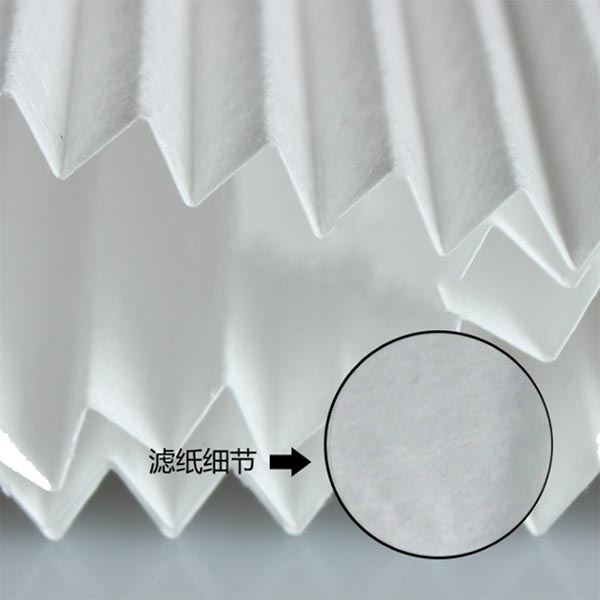
In simplest terms: cotton filter paper is a porous sheet made primarily from cotton fibers, sometimes blended lightly with other natural fibers, designed to allow fluids or air to pass through while capturing solid particles. Think of it as a finely woven cotton towel, but engineered for trapping sediments, impurities, or microbes.
Modern cotton filter paper ties directly into sectors such as:
- Environmental monitoring
- Pharmaceutical testing
- Food and beverage safety
- Scientific research labs
Its advantages come from being biodegradable, having consistent pore sizes, and chemical inertness—meaning it won’t contaminate samples like plastic-based filters might.
Mini takeaway: Cotton filter paper blends natural fiber properties with filtration precision, filling a unique niche between industrial-grade membranes and disposable lab tools.
Core Components and Characteristics of Cotton Filter Paper
1. Porosity and Pore Size Distribution
The capability of cotton filter paper to trap particles depends heavily on its pore size. Papers come in various grades—fine mesh for bacteria, coarser for debris. This aspect influences everything from filtration speed to contamination level.
2. Durability and Wet Strength
Cotton fibers naturally have good strength but get weaker when wet, so manufacturers often treat filter papers to enhance wet strength without compromising biodegradability — a delicate balance!
3. Chemical Compatibility
Cotton filter paper resists most mild chemicals but isn't suitable for harsh acids or organic solvents unless specially treated. It’s preferred in aqueous or mildly acidic/alkaline solution filtration.
4. Environmental Impact and Disposal
Unlike synthetic filters that sometimes clog landfills, cotton papers decompose naturally, offering a smaller environmental footprint, especially valuable in large-scale water treatments.
5. Cost Efficiency
The production of cotton filter paper remains relatively simple, demanding less energy and fewer raw materials than synthetic filters. It’s a practical choice in low-budget contexts — which pretty much means all over the world.
Mini takeaway: Cotton filter paper is a finely tuned blend of filtration efficiency, mechanical strength, chemical safety, and eco-friendliness — and it doesn’t break the bank.
Real-World Applications of Cotton Filter Paper Across the Globe
Cotton filter paper has a broad footprint globally, sometimes serving as an unsung hero. For example:
- In sub-Saharan Africa, NGOs integrate cotton papers into rapid water quality testing kits to detect E.coli contamination.
- In India’s dairy industry, it’s used to clarify oils and milk by filtering out fatty solids and debris efficiently.
- Research labs in Europe prefer cotton filter paper for environmental sample preparation because it doesn’t introduce microplastics into water samples — important for ecological studies.
- Post-disaster relief efforts in Southeast Asia rely on cotton filter paper for emergency filtration works in makeshift clinics, offering a biodegradable yet effective option.
Oddly enough, despite all the high-tech alternatives, these humble cotton filters hold significant ground, particularly in sustainability-focused sectors.
Product Specification Table: Typical Cotton Filter Paper Characteristics
| Specification |
Details |
| Material Composition |
≥ 90% pure cotton fibers |
| Pore Size Range |
5 - 20 microns (typical) |
| Wet Strength |
Enhanced by resin treatment |
| Chemical Resistance |
Stable in mild acids/alkalis |
| Dimensions |
Diameter usually 90-110 mm; customizable |
| Biodegradability |
100% biodegradable within weeks |
Comparing Vendors of Cotton Filter Paper
| Vendor |
Product Range |
Price Range |
Lead Time |
Special Features |
| MFilter Solutions |
Varied pore sizes; customizable shapes |
$$ |
1-2 weeks |
Eco-certified processes; cotton filter paper specialists |
| PureFilt Corp |
Standard sizes; mostly lab-focused |
$$$ |
2-3 weeks |
High purity cotton; ISO-certified manufacturing |
| GreenFibers Inc. |
Eco-friendly blends; large industrial formats |
$ |
1 week |
Fast delivery; focused on sustainability |
Advantages and Long-Term Value of Cotton Filter Paper
From a practical standpoint, cotton filter papers provide reliable filtration that balances speed and retention capacity, which means they get the job done without clogging prematurely. Cost-wise, they beat many synthetic alternatives, especially in bulk buying. But I think the less tangible benefits often trump price — biodegradability reduces landfill stress, and sourcing from cotton means supporting agricultural economies.
On an emotional level, users report a kind of trust in cotton’s natural origins when it comes to sensitive applications such as medical diagnostics or baby food testing. It conjures care and safety rather than “chemical” suspicion — something brand-conscious companies actively leverage.
Future Trends and Innovations in Cotton Filter Paper
Looking forward, hybrid cotton papers integrating nanocellulose fibers or embedded antimicrobial agents are becoming the next big thing. These tweaks promise higher dirt retention and built-in sterilization. With the global push toward sustainability, cotton filter paper is also being coupled with digital traceability tags—so manufacturers and end users can confirm bio-sourcing and certifications on the fly.
Meanwhile, policy shifts like the EU’s plastic reduction initiatives mean cotton-based alternatives will likely gain more market share. Automation in paper production allows smaller bespoke orders, which opens doors for highly customized applications.
Challenges & Innovative Solutions
Cotton filter papers aren’t perfect — their biggest limitations include sensitivity to very harsh chemicals and lower wet strength compared to synthetic membranes. Many engineers say this restricts use in highly aggressive industrial processes. The solution? Multi-layer composites or resin-enhanced cotton papers that still maintain eco-friendly profiles.
Another common issue is variability due to raw cotton quality. Advances in quality control are helping reduce batch inconsistencies, making cotton filter paper a more trustworthy choice in sensitive measurements.
FAQ: Frequently Asked Questions About Cotton Filter Paper
- Q1: How does cotton filter paper differ from synthetic filter paper?
- A1: Cotton filter paper is made from natural fibers and is biodegradable, while synthetic paper uses plastic polymers. Cotton is preferred for eco-friendly applications and is inert in most aqueous solutions, but synthetics handle harsh chemicals better.
- Q2: Can cotton filter paper be used for potable water purification?
- A2: Cotton filter paper is often used in preliminary filtration to remove debris and some bacteria but should be combined with other purification methods for safe drinking water, as it does not remove viruses or dissolved chemicals.
- Q3: What sizes and grades of cotton filter paper are available?
- A3: Sizes range typically from 90 mm to 110 mm diameter discs, with pore sizes from 5 to 20 microns. Grades vary based on filtration precision needs, allowing customization for industry or lab use.
- Q4: How should cotton filter papers be stored to maintain performance?
- A4: Store in a cool, dry place away from direct sunlight and chemicals. Proper packaging prevents moisture absorption, which can affect strength and filtration efficiency.
- Q5: Are cotton filter papers recyclable or compostable?
- A5: Yes, cotton filter paper is fully compostable and can biodegrade within a few weeks under proper conditions, unlike synthetic plastic filters.
Final Thoughts: The Lasting Value of Cotton Filter Paper
Despite newer materials and fancy membranes flooding the market, cotton filter paper still exerts a quiet but firm influence. Its combination of affordability, biodegradability, and versatility means it’s not going anywhere anytime soon. Whether it’s in water testing kits, lab environments, or emergency health facilities, cotton filter paper offers a blend of tradition and innovation that few materials can boast.
Interested in learning more or sourcing your own cotton filter paper supplies? Visit our website for detailed specs, certifications, and customized solutions that fit your project needs.
Quick Reference List
- Cotton — Wikipedia
- UN Water Quality Report
- ISO 16890 Filter Testing Standards