Understanding Filter Paper Roll: Beyond the Basics and Why It Matters
Filter paper roll might sound like a mundane industrial supply, but it’s actually at the heart of so many critical processes worldwide. From clean water initiatives to high-precision laboratory tasks, the humble filter paper roll plays an invisible yet vital role. Grasping how it works and what it offers on a global scale not only deepens our appreciation of manufacturing and environmental standards but also opens up possibilities for innovative applications. So whether you’re in environmental science, manufacturing, or humanitarian logistics, knowing about filter paper roll is more than academic—it’s practical and necessary.
Setting the Stage: The Global Significance of Filter Paper Roll
Take a second and think about how many industries and sectors depend on efficient filtration systems. The World Bank estimates that nearly 2.2 billion people globally lack access to safely managed drinking water. In response, reliable filtration methods, often involving filter paper in roll form, become indispensable. These rolls provide consistent, easy-to-use filtration for water treatment plants, food processing, chemical industries, and research labs.
ISO standards on filtration products emphasize the importance of dependable filtration media like filter paper rolls to meet quality and safety regulations worldwide. To put it simply, filter paper rolls help prevent contamination, improve product quality, and contribute to public health initiatives. Yet, despite their importance, many are unaware of their varied types and nuanced applications.
What Exactly Is a Filter Paper Roll?
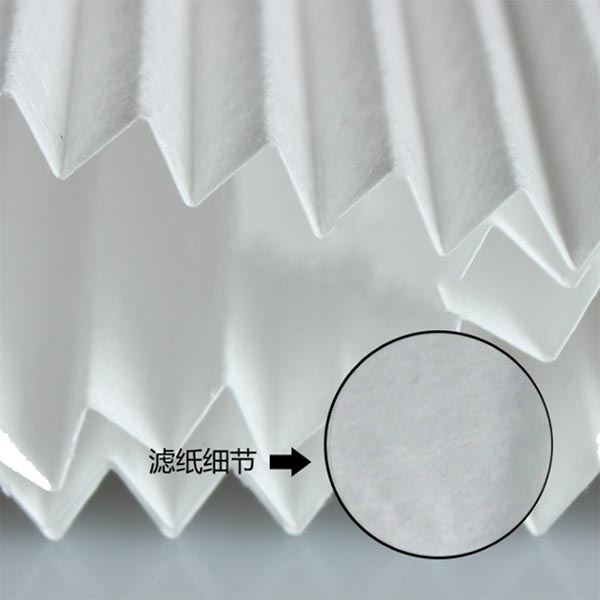
Basically, a filter paper roll is a continuous strip of specialized paper designed to separate solids from liquids or gases by trapping particles while letting the fluid pass through. Unlike flat sheets, the roll format allows for easy customization and efficient use across different machines and setups. Think of it like a long, flexible sieve that can be cut to match any size or shape you need.
Because it’s made from cellulose fibers with varying degrees of porosity and strength, its properties can be tailored to specific needs: whether filtering fine chemical suspensions or coarse impurities from oils. In humanitarian or industrial contexts, this adaptability means faster deployment and reduced waste, critical where resource efficiency matters most.
Core Components: What Makes Filter Paper Roll Tick?
1. Porosity and Filtration Efficiency
Porosity is the star player here — it determines what particles can be trapped. Fine pores catch tiny contaminants, essential in pharmaceuticals or lab testing, while coarser ones filter agricultural runoff or industrial discharge effectively.
2. Mechanical Strength and Durability
Unlike your average paper, filter paper rolls often undergo treatments to resist tearing or dissolving during wet filtration processes. This toughness means reliable performance even under demanding industrial workloads.
3. Chemical Resistance
Some environments involve harsh chemicals or extreme pH levels. Filter paper rolls made with specific coatings or from specialty fibers withstand these conditions without degrading.
4. Roll Format and Size Flexibility
Rolls come in widths and lengths that can be scaled to different machines or applications. This flexibility not only reduces downtime but also lowers operational costs.
Mini Takeaway:
Filter paper rolls combine scientific precision with practical versatility. Their unique construction—porosity, strength, chemical resistance, and format—allows them to serve countless industries with tailored solutions.
Real-World Applications of Filter Paper Roll
Across continents and sectors, filter paper rolls prove their value daily:
- Water Treatment: In South Asia, municipalities use filter paper roll media to handle turbidity and bacterial contamination, ensuring safer tap water for millions.
- Pharmaceutical Laboratories: German labs rely on precisely manufactured filter paper rolls for quality control and sterile filtration processes.
- Food & Beverage Industry: In the U.S., breweries apply filter paper rolls for clarifying beers without affecting taste.
- Humanitarian Aid: Organizations like the Red Cross use portable water filters incorporating paper rolls in post-disaster zones.
It’s fascinating how something so straightforward fits smoothly into such varied contexts. The adaptability really speaks to the cleverness of its design.
Advantages and Lasting Value of Using Filter Paper Rolls
Aside from their obvious functional role, filter paper rolls offer several robust benefits:
- Cost Efficiency: Rolls reduce waste through customizable lengths and minimize packaging compared to individual sheets.
- Sustainability: High-quality filter paper rolls are often biodegradable, making them environmentally friendly, especially important as industries aim for greener processes.
- Reliability and Safety: Consistent filtration protects consumers and operators alike, fostering trust in the processes and end products.
- Ease of Use: Roll format speeds up replacement and setup, reducing downtime in fast-paced environments.
On a personal note, many engineers swear by roll filters—they feel much less fiddly compared to sheets, which can sometimes fold or tear unpredictably.
What’s Next? Innovations Shaping the Future of Filter Paper Roll
The future holds some exciting prospects for filter paper rolls:
- Eco-friendly Materials: Researchers are developing filter paper from sustainably sourced fibers and recycled materials, aiming for zero-waste manufacturing.
- Smart Filtration: Integration with sensors or digital monitoring to indicate saturation levels and performance in real time.
- Enhanced Coatings: Innovations in chemical resistance will broaden application scopes, especially in biotech and electronics.
- Automation Compatibility: Rolls engineered for robotic handling and automatic replacement systems promise efficiency boosts.
Addressing Challenges: Common Issues and Practical Fixes
Not everything about filter paper roll is perfect yet. Consistency can vary among suppliers; contamination may sometimes occur if rolls are stored improperly; and chemical resistance has limits that require careful consideration. Fortunately, industry experts recommend:
- Storing rolls in controlled humidity and temperature to preserve integrity.
- Choosing vendors with ISO certification and rigorous quality testing standards.
- Customizing filters per application to avoid overloading the media.
Product Specification Table
| Specification |
Typical Range/Value |
| Roll Width |
50 mm to 200 mm |
| Roll Length |
10 m to 100 m |
| Porosity |
2 to 25 µm |
| Material |
Cellulose fibers, sometimes mixed with synthetic fibers |
| Chemical Resistance |
Moderate to High (depending on coating) |
| Tensile Strength |
Up to 400 N/m |
Vendor Comparison Table
| Vendor |
Quality Standards |
Range of Products |
Customization |
Global Shipping |
| PureFilter Inc. |
ISO 9001, FDA compliant |
Wide (3-150 µm porosity) |
Bespoke sizing & coatings |
Yes |
| EcoRoll Filters |
ISO 14001 (Environmental) |
Moderate (5-25 µm) |
Limited, mainly standard rolls |
Europe & Asia |
| GlobalFiltration Solutions |
ISO 9001, GMP certified |
Extensive (2-50 µm, specialty fibers) |
High customization offered |
Worldwide |
Frequently Asked Questions About Filter Paper Roll
Q1: How do I choose the right porosity for my filter paper roll?
It depends largely on the size of particles you need to filter out. For fine particles like bacteria, rolls with a porosity below 5 µm are preferred. For coarser filtration, such as sediment or large debris, 10–25 µm might be more efficient and cost-effective.
Q2: Can filter paper rolls be reused or cleaned for multiple uses?
Generally, filter paper rolls are designed for single use to avoid contamination and ensure filtering accuracy. Some research labs develop protocols for cleaning, but it’s not recommended for most industrial or water treatment applications.
Q3: Are there environmentally friendly options for filter paper rolls?
Yes, many manufacturers now offer biodegradable and recycled-fiber filter paper rolls certified to ISO 14001 environmental management standards. These options significantly reduce environmental footprint.
Q4: How are filter paper rolls stored to ensure performance?
Store them in a cool, dry place away from direct sunlight. Excessive humidity can cause clumping or degradation. Ideally, keep them sealed in original packaging until use.
Q5: Can I customize the width and length of the filter paper roll?
Absolutely. One of the biggest advantages of filter paper rolls is their flexibility. Vendors often cut them to specifications or provide rolls that can be trimmed manually. Custom coatings can also be applied as needed.
Wrapping Up: Why Filter Paper Roll Deserves Your Attention
Filter paper rolls might fly under most radars, but their impact across industries and communities is substantial. The combination of customizable formats, scientifically optimized filtration, and growing green initiatives suggests a bright future. If you want to explore reliable options tailored to your industry’s needs, a solid starting point is checking out products from trusted suppliers. Visit our website at filter paper roll supplier page to see current offerings.
Brief Reflection
Ultimately, this isn’t just about filtering particles. It’s about ensuring safety, enhancing quality, and making sustainable choices across the board. Maybe next time you sip filtered water or see clean lab results, you’ll think of the quiet hero—the humble filter paper roll—working behind the scenes.
References
- ISO Technical Committee on Filtration and Separations
- World Bank – Water Supply and Sanitation
- Filter Paper – Wikipedia