Understanding Fuel Filter Paper: The Unsung Hero of Clean Energy Systems
Fuel filter paper might not be a household name, yet it plays a vital role globally, ensuring engines run cleanly and efficiently. From powering cars to industrial machines and even humanitarian relief vehicles, this technology quietly underpins much of our modern life. Understanding fuel filter paper reveals how tiny fibers can have a massive impact on sustainability, cost reduction, and overall reliability.
The Global Context: Why Fuel Filter Paper Matters
Worldwide, fuels are often contaminated by dust, rust, and microscopic particles that compromise machinery. According to the International Organization for Standardization (ISO), the filtration of fuels directly impacts emission standards and equipment longevity (ISO). Notably, in developing regions with less refined fuel supply chains, fuel filter paper is key to reducing costly engine failures.
Consider this: The World Bank estimates that inefficient machinery maintenance, often caused by poor fuel quality, reduces productivity by around 20% in some emerging economies. Filtering fuel effectively can thus boost economic output and reduce environmental damage simultaneously. Yet, a challenge remains: designing filter papers tailored for diverse fuel types and application scales, from tiny generators to massive industrial engines.
Defining Fuel Filter Paper: What Is It Exactly?
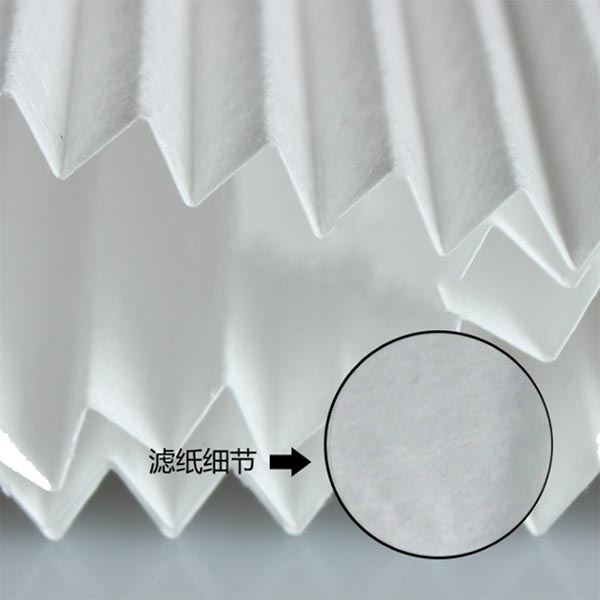
Simply put, fuel filter paper is a specially engineered sheet of fibrous material designed to trap impurities from liquid fuels like diesel, petrol, or biofuels before they reach the engine. Unlike regular paper, it incorporates microfibers and resins, giving it strength and selectivity.
This material connects deeply with modern industry by safeguarding combustion systems, improving fuel efficiency, and reducing emissions — a crucial factor in meeting increasingly strict environmental regulations. From humanitarian operations delivering clean fuel in brittle infrastructures to everyday urban commuting, fuel filter papers have carved their niche.
Mini Takeaway:
Fuel filter paper is more than just ‘filtering’; it's about protecting vital infrastructure worldwide, enhancing performance, and supporting sustainability goals.
Key Components and Characteristics of Quality Fuel Filter Paper
1. Filtration Efficiency
Efficiency refers to the filter's ability to remove microscopic particulates — often down to 3 microns or less. The higher the efficiency, the cleaner the fuel delivered. This is vital in sensitive industrial engines where even minuscule contamination can cause expensive damage.
2. Durability and Chemical Resistance
Because fuel contains various chemicals and additives, the paper must resist degradation. Advanced technologies impregnate fibers with special resins or synthetic elements to withstand long-term exposure.
3. Permeability and Flow Rate
Striking the right balance between filtering prowess and allowing adequate fuel flow is a constant engineering challenge. Too tight, and the engine starves; too loose, and contaminants pass through.
4. Customizability
Depending on the fuel type and use case — say, marine diesel versus automotive petrol — manufacturers adapt fiber blends and paper thickness accordingly. This bespoke approach extends filter life and optimizes engine performance.
5. Eco-Friendly Materials
There's a growing push toward biodegradable or recycled fibers to reduce environmental footprints, especially as companies chase ISO 14001 environmental management certifications.
Mini Takeaway:
Filters are about finesse — the interplay of strength, flow, and resistance defined by material science innovation.
Global Applications and Real-World Use Cases
Fuel filter papers travel far and wide. In Africa’s rural areas, for example, remote power generators rely heavily on effective filtration to sustain off-grid electricity. Similarly, in disaster relief, NGOs operating fuel depots in unstable environments use high-grade fuel filter paper to ensure vehicles and machinery run uninterrupted.
In developed economies, automobile manufacturers integrate multilayer filter papers within complex fuel systems. Maritime shipping companies also demand rugged filters able to handle contaminated bunker fuel. A lesser-known application is in biofuel plants where specialized paper filters remove impurities unique to plant-based fuels.
Mini Takeaway:
Fuel filter paper’s versatility means it’s critical whether you’re in a sophisticated city fleet or running a generator on a remote island.
Product Specification Table
| Specification |
Typical Values |
Remarks |
| Micron Rating |
3–10 µm |
Depends on fuel type |
| Thickness |
0.3–1.0 mm |
Varies by application |
| Tensile Strength |
≥ 15 N/cm |
Wet and dry conditions |
| Chemical Resistance |
High |
Resistant to fuels and additives |
| Water Repellency |
Optimized |
Prevents water clogging |
Comparing Top Fuel Filter Paper Vendors
| Vendor |
Customization Options |
Price Range (USD/m²) |
Sustainability Features |
Global Reach |
| MFilter Solutions |
High — tailored blends & thickness |
$6–$12 |
Uses recycled fibers, biodegradable options |
Asia, Europe, Americas |
| PureFibers Inc. |
Medium — standard thicknesses |
$5–$9 |
Limited eco-certified products |
North America, Europe |
| EcoFilter Technologies |
Low — mostly off-the-shelf |
$4–$7 |
Focus on biodegradable fibers |
Europe, Asia |
Advantages and Long-Term Value of Using Fuel Filter Paper
On the surface, fuel filter paper might seem like a small detail, but it delivers big impacts:
- Cost Savings: Reduces engine breakdowns and maintenance expenses.
- Sustainability: Improved fuel efficiency means fewer emissions, aligning with global climate initiatives.
- Reliability and Safety: Clean fuel means safer operation for vehicles and machinery.
- Social Impact: In hard-to-reach areas, reliable fuel filtration supports essential services like ambulances or water pumps.
- Innovation Trust: Consumers and businesses increasingly expect solutions that balance performance and eco-awareness.
Mini Takeaway:
It’s not just about filtering dirt; it’s about creating trust and efficiency that ripple across entire systems — sometimes continents.
Looking Ahead: Future Trends in Fuel Filter Paper Technology
The fuel filtration industry is evolving rapidly due to pressures like green energy shifts and Industry 4.0:
- Nanofiber Integration: New papers incorporate nanotechnology for ultra-fine filtration without choking flow.
- Biodegradable Composites: Moving beyond synthetic fibers to plant-based or recycled materials.
- Smart Filters: Embedded sensors in papers could soon alert users to saturation levels in real-time — a game changer for maintenance.
- Regulatory Push: Stricter emissions standards will likely drive innovation and adoption, especially in transport and heavy industries.
Common Challenges and How Industries Are Overcoming Them
Some issues hover over fuel filter paper use:
- Clogging Risk: Over time, filters get saturated, reducing fuel flow. Innovations like gradient density layers help this.
- Compatibility: The wide variety of fuels means no one-size-fits-all—customization is critical.
- Cost-Barriers: High-grade filter paper can be pricey. Bulk sourcing and improved manufacturing are lowering these.
Experts suggest combining fuel filter paper with pre-filtration and regular maintenance schedules for best results. Additionally, ongoing research into recyclable filter media is promising for circular economies.
FAQ: Answers to Your Fuel Filter Paper Questions
Q1: How often should fuel filter paper be replaced in vehicles?
A1: Generally, replacement intervals vary from 10,000 to 30,000 miles, depending on fuel quality and operating conditions. Regular inspection is key — if performance drops or contamination increases, change the filter.
Q2: Can fuel filter paper handle biofuels or additives?
A2: Many modern fuel filter papers are specially formulated to resist chemicals in biofuels and additives. However, it’s important to verify compatibility with the supplier or manufacturer.
Q3: Is custom-sized fuel filter paper available for industrial applications?
A3: Yes! Many vendors, including fuel filter paper providers, offer tailored sizing and specific fiber blends to meet industrial or specialized needs.
Q4: What environmental certifications should I look for in fuel filter paper?
A4: Certifications like ISO 14001 environmental management and FSC (Forest Stewardship Council) indicate sustainable sourcing and production practices.
Q5: How does fuel filter paper impact engine emissions?
A5: By removing particulates before combustion, clean fuel helps engines run more efficiently and emit fewer pollutants, contributing to compliance with environmental standards.
Final Thoughts: Investing in Cleaner, Smarter Fuel Filtration
Fuel filter paper may not dazzle at first glance, but it quietly champions cleaner fuels, longer-lasting engines, and a healthier planet. Whether you’re a fleet operator or an NGO managing relief efforts, choosing the right filter paper can pay dividends in reliability and cost savings. As the industry races toward greener, smarter solutions, now’s a great time to explore high-quality options tailored to your needs.
For more detailed info and sourcing options, be sure to visit our website.
References
- ISO 10474: Metallic materials — Equipment and systems for hydraulic transmission — Marking
- Wikipedia: Fuel filter
- World Bank - Energy Overview