The Rising Importance of Pocket Filters in Global Air Quality Management
Have you ever paused to think about the air around you and how clean it really is? Well, whether you’re wandering through a bustling city or working in a high-tech cleanroom, the pocket filter might just be quietly doing its part to keep harmful particles out of your lungs. Globally, air pollution remains one of the leading environmental health risks, affecting millions of lives according to the World Health Organization. This is where understanding pocket filters not only matters but becomes a cornerstone in both industrial and humanitarian efforts aimed at cleaner, safer air. Their ability to capture fine dust, smoke, pollen, and microbes has made them indispensable in HVAC systems, hospitals, and factories worldwide.
Mini takeaway: Pocket filters are unsung heroes of air purification globally, improving health and environmental conditions with every breath we take.
Where Pocket Filters Fit in the Bigger Picture of Air Filtration
To really grasp why pocket filters have garnered worldwide attention, consider this: the United Nations highlights that over 90% of the world’s population breathes polluted air. Industrial zones, urban centers, and even rural communities need cost-efficient solutions to reduce indoor and localized outdoor air contaminants. Pocket filters offer a practical answer to this, especially as electronics, pharmaceuticals, and food processing industries require dust- and particle-free environments. Their modular design and relatively low cost make them an attractive choice for retrofitting older ventilation systems — a challenge many developing countries face.
Oddly enough, many of the biggest pollution challenges are not just about smog or CO2 emissions but dusty, particulate matter that pocket filters are perfectly designed to trap. WHO statistics estimate that particulate matter causes over 4 million premature deaths yearly, so it’s no exaggeration to say these filters are a frontline defense.
Mini takeaway: Pocket filters are pivotal in solving complex, global air quality issues by balancing performance, affordability, and ease of use.
What Exactly Is a Pocket Filter?
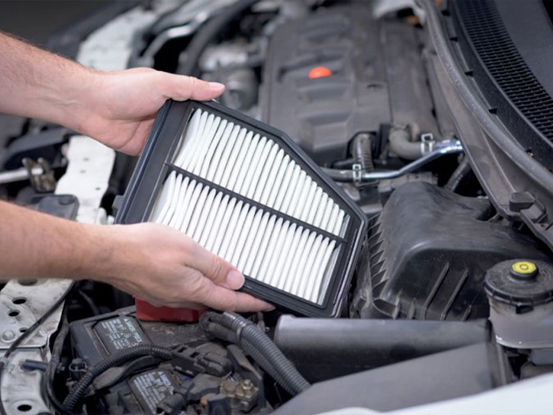
Simply put, a pocket filter is a type of air filter with multiple fabric “pockets” or sleeves sewn into a frame that capture dust and airborne particles efficiently without causing major airflow resistance. Imagine a compact fabric forest where particles get trapped deep inside the fibers, allowing the air through but holding back the nasties.
In industry and humanitarian relief alike, pocket filters are the guardians of indoor air quality. Hospitals use them to protect immunocompromised patients, while factories rely on them to protect machinery and maintain product quality. Humanitarian organizations deploying shelter facilities sometimes incorporate pocket filters into HVAC setups to improve indoor air safety in disaster-hit zones or refugee camps — places where conventional air quality controls are almost non-existent.
Mini takeaway: Pocket filters are practical, resilient components helping multiple sectors breathe easier and healthier.
Core Components of Pocket Filters
1. Durability
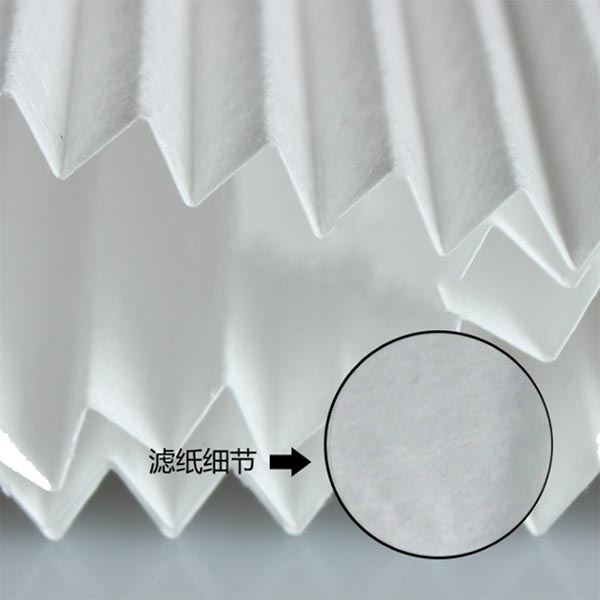
Engineered with robust synthetic fibers, pocket filters strike a balance between lasting several months and handling tough environmental conditions. They resist moisture, mold, and structural damage, which is essential when deployed in humid or dusty places.
2. Efficiency Ratings
Most pocket filters meet European EN779 standards or ISO 16890 classifications, filtering out particles from 1 to 10 microns effectively. This efficiency ensures protection against common pollutants like dust mites and pollen, which cause allergies and respiratory problems.
3. Scalability and Size Variations
Available in various sizes and depths, pocket filters fit into both large commercial HVAC setups and smaller industrial units. This scalability means they can be tailored precisely to needs without overspending on oversized systems.
4. Cost Efficiency
Compared to HEPA filters or electrostatic filters, pocket filters offer a lower upfront cost and installation ease – making them a favorite in budget-conscious projects. Replacement and maintenance are straightforward, minimizing downtime and labor costs.
5. Compatibility
The modular design means many pocket filters can be retrofitted to existing air handling units, easing transitions from older filtration technologies.
Mini takeaway: Pocket filters are carefully optimized for durability, efficiency, and adaptability – a trifecta that brands and buyers appreciate.
Global Applications: Where Pocket Filters Make a Real Difference
- Healthcare Sector: Hospitals across Europe, North America, and increasingly Asia depend on pocket filters to maintain cleanroom standards.
- Food & Beverage Industry: Ensuring dust-free environments during sensitive food processing in regions like South America and the Middle East.
- Post-Disaster Relief: NGOs often equip temporary shelters with pocket filter systems to improve air quality when natural disasters raise dust and airborne pathogens.
- Industrial Plants: Manufacturing facilities worldwide rely on pocket filters to protect machinery and workers from harmful particulate exposure.
- Commercial Buildings: Office complexes and shopping centers in urban hubs use them as a cost-effective means to maintain comfort and reduce sick building syndrome issues.
Mini takeaway: Pocket filters are quietly global — touching health, safety, industry, and disaster response sectors alike.
Advantages & Long-Term Value of Using Pocket Filters
There’s a pragmatic side to pocket filters that appeals to engineers and managers: they deliver reliable, predictable filtration at a surprisingly low cost. Sustainability also factors in — many pocket filters now use recycled synthetic fibers and have recyclable frames, helping reduce landfill waste. Emotionally, they foster a sense of security and trust, especially in healthcare and community environments.
In real terms, their ability to extend HVAC longevity and improve indoor air quality indirectly boosts employee productivity and patient recovery rates. It’s a domino effect you might not immediately notice, but it adds up over time.
Looking Ahead: Innovations Shaping the Future of Pocket Filters
Innovations focus on integrating antimicrobial coatings and smart sensors that monitor filter saturation and performance in real time. Digital transformation in building management systems increasingly incorporates feedback from pocket filters, enabling automated replacements and troubleshooting. Eco-conscious brands are working on bio-based or hybrid materials to further lessen environmental impacts.
Automation in manufacturing is also refining pocket filter consistency and scaling production while keeping costs competitive. Plus, with green energy initiatives growing globally, better air filtration aligns with overall sustainability goals.
Common Challenges and How Industry Leaders Address Them
One hurdle often mentioned is a slight increase in pressure drop as filters accumulate dirt — which can hike energy consumption. Solutions involve improved media layers and pleat designs that maximize surface area while keeping airflow smooth. Another challenge is ensuring uniform quality across large batches — tight production controls and ISO certifications help overcome this.
In harsh environments, some users supplement pocket filters with pre-filters or cyclonic dust separators to extend lifespan. Training on proper installation and maintenance also solves many practical issues in field deployments.
Product Specification Table
| Specification |
Typical Value |
Notes |
| Filter Class |
G3 - F8 (EN779 / ISO 16890) |
Depends on media type |
| Frame Material |
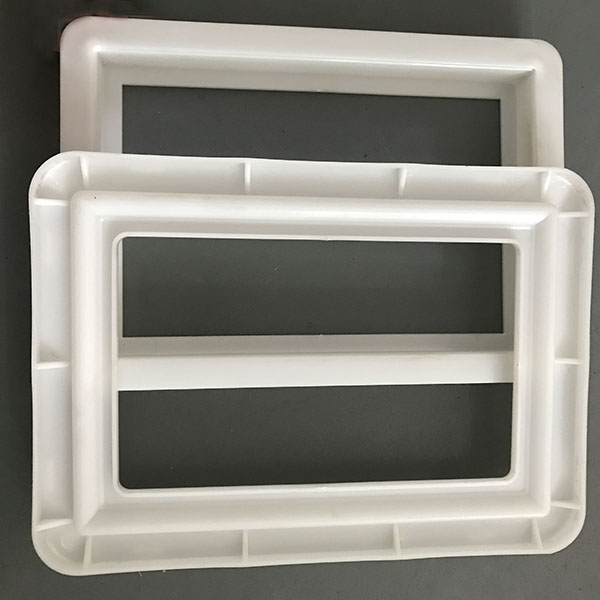
Galvanized Steel / Plastic |
Corrosion resistant options available |
| Media Material |
Synthetic Fibers |
Moisture resistant |
| Depth / Pocket Size |
200-600 mm (6-24 pockets) |
Custom sizes available |
| Airflow |
500 - 2500 m³/h |
Varies by filter size |
| Service Life |
3 - 6 months |
Depends on pollution levels |
Vendor Comparison: Choosing the Right Pocket Filter Supplier
| Feature |
MFilter Solutions |
AirPurify Co. |
CleanAir Systems |
| Range of Filter Classes |
G3 to F8 |
G4 to F7 |
G2 to F9 |
| Material Variety |
Synthetic & sustainable options |
Standard synthetic only |
Synthetic & fiberglass blends |
| Customization |
Full custom sizes & specs |
Limited custom options |
Custom depth only |
| Certifications |
ISO 16890, EN779 |
EN779 only |
ISO and others |
| Availability |
Global shipping, fast lead time |
Regional presence |
Limited exports |
Frequently Asked Questions About Pocket Filters
1. What is the typical lifespan of a pocket filter in a factory setting?
Generally, pocket filters last between 3 to 6 months depending on the pollution load and airflow volumes. In environments with heavier particulate matter, replacements may be needed sooner to maintain efficiency and prevent strain on HVAC systems.
2. Can pocket filters be reused or cleaned?
Pocket filters are mostly designed as disposable units to prevent contamination buildup. Attempting to clean them often reduces filtration efficiency and may damage the synthetic fibers. For environments requiring reusable filters, specialized washable media are recommended instead.
3. How do pocket filters compare with HEPA filters?
While pocket filters provide excellent medium-efficiency filtration (capturing particles above 1 micron), HEPA filters offer far superior filtration, removing 99.97% of particles at 0.3 microns. However, HEPA filters generally cost much more and require more fan power. Pocket filters are preferred for general HVAC needs due to affordability and ease of use.
4. Are pocket filters environmentally friendly?
Many modern pocket filters use recyclable materials and incorporate sustainable manufacturing. However, like most disposable air filters, their environmental impact depends on local recycling infrastructure. Choosing suppliers with green policies can help reduce footprint.
5. How do I know when it’s time to replace my pocket filter?
Signs include a noticeable drop in airflow, an increase in energy use, or visible dirt buildup on the pockets. Some systems use pressure gauges or smart sensors to alert when the filter is clogged, improving maintenance schedules.
Conclusion
Put simply, pocket filters remain a practical, cost-effective solution increasingly essential in protecting human health and process environments globally. From industrial zones to emergency shelters, their role in cleaner air is only growing. If you want to explore high-quality, customizable pocket filter solutions, visit our website and see how you can integrate better filtration into your facilities today.
And who knows? The next breath you take might be a little cleaner thanks to these neat fabric pockets quietly doing their job.
References:
- World Health Organization - Ambient (Outdoor) Air Quality and Health
- ISO 16890 - Air filters for general ventilation
- Wikipedia - Particulates