Understanding High Quality Eco Oil Filter Making Machines
When you think about environmental protection and industrial efficiency, a high quality eco oil filter making machine might not be the first thing that comes to mind. Yet, these machines are quietly revolutionizing how industries treat oil waste, helping curb pollution and saving costs all around the globe. Nearly every sector that relies on lubricants, hydraulic fluids, or engine oils can benefit, and the environmental stakes have never been higher. According to the United Nations Environment Programme (UNEP), improper oil disposal contributes significantly to soil and water contamination worldwide. Understanding this technology isn't just good for industry professionals—it's about the future of our planet’s health.
Introduction: Why Does This Matter Globally?
Oil pollution represents a major challenge on a global scale. ISO reports that worldwide lubricant consumption exceeds 40 million tons annually, and much of this oil ends up as hazardous waste. The problem intensifies in developing regions where regulations might be less stringent. That's where machines designed to produce high-quality eco oil filters come in—they help companies manufacture filters that efficiently remove contaminants and extend the lifecycle of oil. This not only improves machinery reliability but significantly reduces waste.
In fact, markets for eco-friendly filtration solutions are expected to grow by over 7% annually through 2030, driven by tightened environmental policies and rising awareness.
“An effective eco oil filter is more than just a product—it’s a critical tool in the global fight against pollution and resource waste.” – Environmental Industry Analyst
What is a High Quality Eco Oil Filter Making Machine?
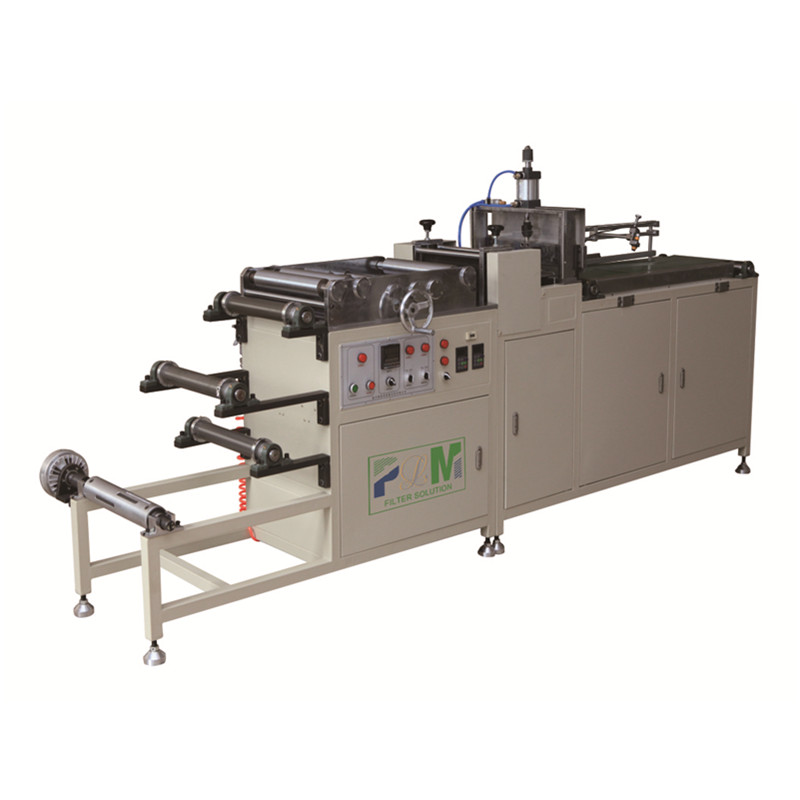
Simply put, a high quality eco oil filter making machine is specialized industrial equipment that manufactures oil filters designed to be environmentally friendly and highly efficient. These machines produce filters using sustainable materials or advanced technology to minimize environmental impact while maximizing filtration capabilities. They support industries like automotive, manufacturing, and energy by prolonging oil life, reducing harmful emissions, and curbing the need for frequent oil changes.
In humanitarian and remote industrial settings, such filter-making machines can help ensure cleaner oil supplies and safer machinery operation—supporting sustainable development goals.
Core Components & Key Factors of High Quality Eco Oil Filter Machines
1. Durability of Filter Elements
Filters produced must endure high pressure and temperature variations without breaking down. Materials like biodegradable fibers or recycled cellulose are gaining traction for durability combined with environmental sensitivity.
2. Scalability and Customization
Modern machines allow quick adjustment to produce filters of varying sizes and specifications, essential for different engines or machinery types.
3. Cost Efficiency and Waste Reduction
Efficiency in manufacturing translates to lower waste generation. Machines equipped with automated quality control reduce defective units, saving materials and money.
4. Energy Consumption & Eco-Friendliness
Newer models prioritize low energy consumption, often integrating IoT for energy monitoring. This feature is crucial for reducing the environmental footprint of filter production facilities.
5. Technological Integration
Incorporation of robotics and smart sensors leads to higher precision and faster outputs. This benefits companies aiming for consistent high quality in eco-friendly oil filters.
Product Specifications at a Glance
| Specification |
Details |
| Filter Output Size Range |
50mm – 300mm diameter |
| Production Capacity |
Up to 1000 filters/day |
| Energy Usage |
5 kWh per 100 filters |
| Materials Compatible |
Recycled cellulose, synthetic fibers |
| Automation Level |
Semi-automated with smart quality sensors |
Global Applications & Use Cases
These machines have found applications across various sectors and regions. In industrialized countries, they support automotive manufacturers and heavy machinery operators aiming to reduce downtime and maintenance costs. Oddly enough, even remote mining operations in South America or Asia, where oil contamination can cause dangerous breakdowns, rely on eco oil filters made by these advanced machines.
In post-disaster relief operations, where equipment reliability is critical, eco filters ensure machinery runs cleaner longer, reducing supply chain burden. Furthermore, NGOs working in countries with poor waste management benefit from localized production of sustainable filters.
Vendor Comparison
| Vendor |
Eco Material Options |
Automation Level |
Price Range (USD) |
| GreenFil Tech |
Recycled fibers, biodegradable plastics |
Fully Automated |
$120,000 - $150,000 |
| EcoPure Machinery |
Natural cellulose, synthetic blend |
Semi-automated |
$80,000 - $110,000 |
| FiltroTech Solutions |
Recycled paper-based media |
Manual & Semi-automated Hybrid |
$60,000 - $90,000 |
Advantages & Long-Term Value
- Cost Savings: Reduction in oil consumption and machine maintenance expenses.
- Sustainability: Utilizing recycled and biodegradable materials cuts landfill waste.
- Reliability & Safety: Fewer mechanical failures, preventing accidents.
- Social Impact: Cleaner environments and job creation in green tech manufacturing.
Emotionally, there’s peace of mind in knowing your operations are not harming the environment—plus, many engineers say it feels empowering to work with innovative sustainable technologies.
Future Trends and Innovations
Looking ahead, integration of AI for predictive maintenance of these machines is on the horizon. Materials science continues to evolve, with bio-based polymers promising filters that break down harmlessly after use. Meanwhile, digital twin technology allows manufacturers to simulate and optimize production lines virtually.
Policy-wise, international standards like ISO 14001 push for cleaner manufacturing processes, and as green energy sources become standard for power, the entire lifecycle of eco oil filter making becomes greener.
Challenges & Solutions
Despite the progress, challenges remain: initial capital investment can be high, some eco-friendly materials may not yet match traditional durability, and inconsistent regulations can slow adoption. However, ongoing R&D, government incentives, and better global cooperation help tackle these obstacles. For example, modular manufacturing designs help smaller firms gradually integrate eco oil filter production.
FAQ: Frequently Asked Questions About High Quality Eco Oil Filter Making Machines
- What materials are commonly used in eco oil filters?
- Eco filters often use recycled cellulose fibers, biodegradable synthetic polymers, or blends designed to degrade naturally after disposal.
- How do these machines reduce environmental impact?
- By using sustainable raw materials, energy-efficient operations, and producing higher quality filters that extend oil life and reduce waste.
- Can small businesses afford these machines?
- While the upfront cost can be significant, options like leasing, modular units, and government subsidies make it feasible for smaller operations.
- Are filters made by these machines compatible with all types of machinery?
- Most machines allow customization so filters fit a wide range of engines and hydraulic systems, based on size and filtration needs.
Conclusion + Call to Action
Ultimately, high quality eco oil filter making machines represent a powerful crossroads where industrial efficiency meets environmental responsibility. Investing in these technologies means saving money, protecting machinery, and contributing to a cleaner planet. If you’re looking for top-tier solutions in this space, feel free to explore our offerings — visit our website: high quality eco oil filter making machine.
It’s a small change that can make a big difference — both for your bottom line and our world.
“The future of filtration blends innovation, sustainability, and global impact seamlessly.”
Key Takeaways:
- The global push for sustainability drives demand for high quality eco oil filters.
- Advanced machines improve production efficiency while minimizing environmental footprint.
- Wide applications range from industry giants to remote relief efforts.
- Ongoing innovation promises even greener, smarter filtration solutions.
References:
1. United Nations Environment Programme (UNEP): unep.org
2. ISO 14001 Environmental Management Standards: iso.org
3. World Bank Environmental Data: worldbank.org