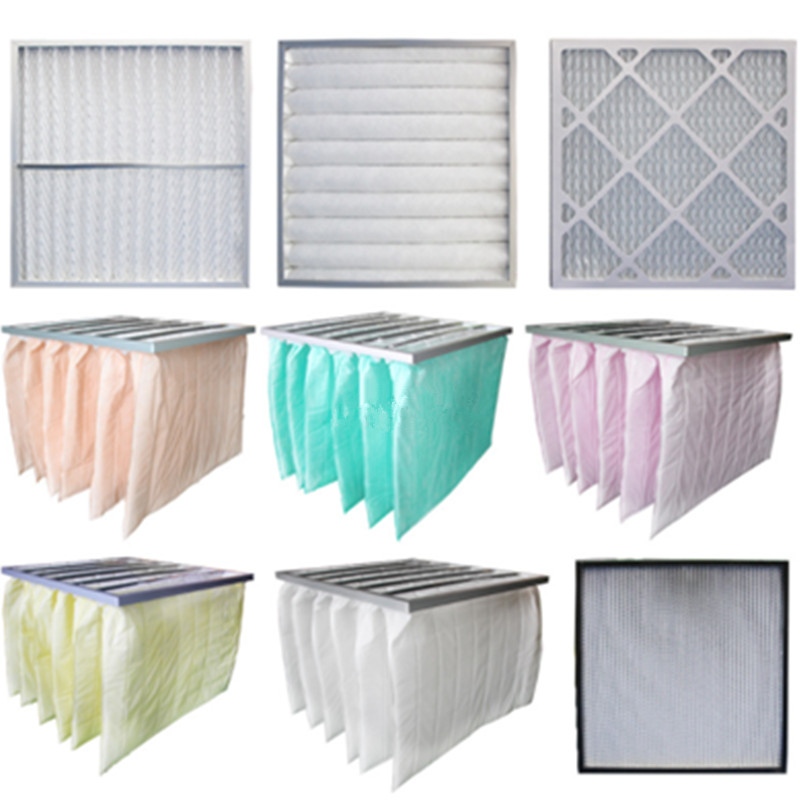
Understanding Industrial Filter Paper: A Global Perspective
Industrial filter paper—sounds straightforward, but it’s actually a quiet powerhouse across so many fields worldwide. From purifying chemicals to ensuring clean drinking water, this humble material plays an outsized role. Globally, billions rely on its filtration capabilities every day, directly or indirectly. Understanding industrial filter paper isn’t just a niche technical interest; frankly, it’s a window into how modern industry, environmental stewardship, and even humanitarian aid operate with more precision and safety.
Global Context: Why Industrial Filter Paper Matters
The World Bank estimates that nearly 2 billion people lack safely managed drinking water services, making filtration technologies critical for public health improvement. Meanwhile, ISO standards (like ISO 3274 or ISO 19443) highlight how standardized filtration materials underpin industrial safety and environmental compliance. But industrial filter paper answers a broader challenge too—handling massive filtration demands across sectors in ways that are reliable, scalable, and cost-effective.
The challenge is, filtration isn’t “one-size-fits-all.” Different industries require specific types of filter papers, handling everything from heavy metals to organic compounds. This means developing materials tailored to diverse applications—from wastewater treatment plants in Europe to mining operations in South America.
What Exactly Is Industrial Filter Paper?
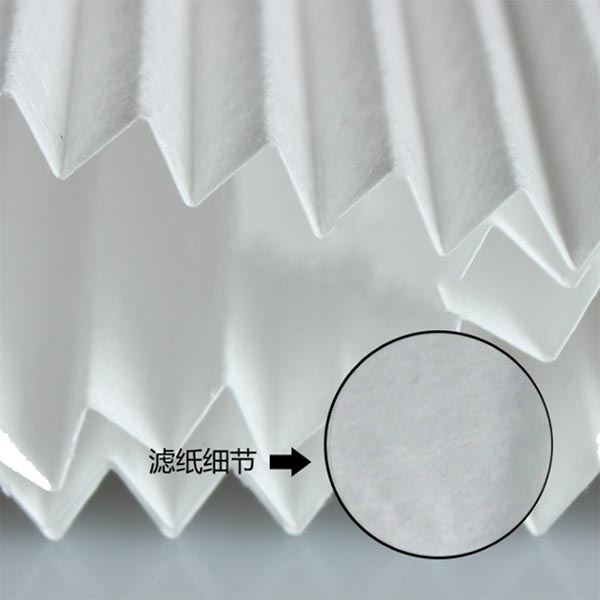
Simply put, industrial filter paper is a specialized cellulose-based material designed to separate solids from liquids or gases in industrial processes. Unlike your average coffee filter, these papers meet rigorous specifications for pore size, tensile strength, chemical resistance, and consistency. They’re essentially the invisible gatekeepers of quality control—ensuring only the desired fluids or gases get through.
And their role extends beyond factories. Humanitarian agencies, for example, use filter papers in rapid water purification systems during disaster relief, allowing quick access to clean water in tough environments.
Key Factors in Industrial Filter Paper Performance
1. Durability and Strength
Industrial settings can be harsh. The filter paper must resist tearing under pressure and withstand wet or chemically aggressive conditions without falling apart. Durability is often enhanced with synthetic fibers or resin impregnation.
2. Filtration Precision
Pore size and uniformity dictate what particles get caught. Whether it’s micron-level particles in pharmaceuticals or coarser debris in wastewater, the filter paper’s specification determines efficiency and product quality.
3. Chemical Compatibility
Exposure to acids, alkalis, solvents, or oils requires papers that won’t degrade, disintegrate, or leach contaminants. This compatibility ensures longevity and process integrity.
4. Cost Efficiency
Beyond technical specs, the cost per unit—and disposal expenses—matter, especially in high-volume applications. Materials and manufacturing processes are constantly optimized to keep prices reasonable without sacrificing quality.
Typical Industrial Filter Paper Specifications
| Specification |
Range/Value |
Notes |
| Pore Size |
0.5 - 50 µm |
Depends on application |
| Thickness |
100 - 300 µm |
Affects flow rate |
| Tensile Strength (wet) |
>2 N/cm |
Critical for wet processes |
| Chemical Resistance |
Acids, Alkalis, Oils |
Varies by paper type |
Who Uses Industrial Filter Paper? Real-World Applications
- Water Treatment Plants: Purifying municipal drinking water and wastewater across Europe, Asia, and the Americas.
- Pharmaceutical Manufacturing: Sterile filtration ensuring drug safety in North America and India.
- Mining Operations: Removing impurities from extracted ores in South Africa and Australia.
- Food & Beverage Industry: Filtering juices, oils, and dairy products for quality control.
- Disaster Relief Agencies: Deploying rapid water purification units using filter paper in crises, such as floods or earthquakes.
Oddly enough, some of the most critical uses come in the smallest moments—like filtering blood plasma or ensuring safe intravenous fluids. Without a dependable industrial filter paper, these applications would be fragile or even life-threatening.
Comparing Popular Industrial Filter Paper Vendors
| Vendor |
Specialty |
Price Range |
Lead Time |
| FilterTec Inc. |
High chemical resistance |
$$$ |
3-5 weeks |
| PureFilter Solutions |
Eco-friendly, biodegradable |
$$ |
2-4 weeks |
| Global Filterworks |
Custom pore sizes & formats |
$$$ |
4-6 weeks |
Advantages & Long-Term Value of Industrial Filter Paper
When you consider investment in industrial filtration, the advantages stack up. Cost efficiency comes not just in purchase price but in minimizing downtime, preventing contamination, and extending equipment life. Sustainability is increasingly a factor—with biodegradable filter papers reducing waste footprint. Socially, reliable filtration safeguards communities' health and ecosystems.
For engineers, it’s a reliable partner offering repeatable performance. For decision-makers, it’s peace of mind knowing processes meet regulatory and ethical standards. It just feels like one of those unsung heroes, quietly ensuring safety and quality without fanfare.
Emerging Trends in Industrial Filter Paper
- Nanotechnology: Incorporating nano-fibers for ultra-fine filtration down to bacterial levels.
- Green Materials: Using sustainable, plant-based fibers to reduce environmental impact.
- Automation Compatibility: Filter paper designed for robotic filtration systems increasing efficiency.
- Smart Filtration: Embedded sensors signaling filter saturation and longevity.
It’s a future where industry embraces precision and sustainability hand-in-hand. Curious engineers will likely find the evolving material science particularly exciting.
Challenges & Solutions in Industrial Filter Paper Use
Despite advances, challenges persist. Variability in raw materials can mean quality fluctuations. Disposal and environmental impact of used papers remain concerns, especially for chemically contaminated filters. Additionally, supply chain disruptions sometimes limit access to specialty grades.
Solutions include tighter supplier audits, investment in biodegradable and recyclable options, and decentralized manufacturing hubs to reduce lead times. Frankly, it’s a complex balancing act between performance, cost, and sustainability goals that industry experts debate constantly.
FAQ: Common Questions About Industrial Filter Paper
- What types of particles can industrial filter paper remove?
- Industrial filter paper can remove a broad spectrum of particles, from fine dust and sediments to microorganisms, depending on pore size and material. Applications vary from retaining micron-sized impurities in pharmaceuticals to removing larger debris from mining fluids.
- How does chemical resistance affect filter paper choice?
- Chemical resistance is crucial when filter papers contact harsh solvents or acids. Choosing the correct paper ensures durability and process integrity without falling apart or contaminating the filtered material.
- Can industrial filter paper be recycled or disposed of sustainably?
- Many newer filter papers incorporate biodegradable fibers and fewer synthetic additives, enabling eco-friendlier disposal. However, papers contaminated with hazardous materials require special handling according to local regulations.
- Is it possible to customize pore size and paper dimensions?
- Yes, most vendors offer custom filtration media tailored to specific pore sizes, thicknesses, and sheet sizes. This customization helps meet unique industrial process requirements efficiently.
Conclusion: Why Industrial Filter Paper Is Worth Your Attention
Industrial filter paper quietly keeps industries clean, safe, and efficient across the globe. Its evolving technology and diverse applications highlight an essential intersection of innovation, sustainability, and practical engineering. If you’re exploring filtration solutions, there’s a whole world to discover here.
Ready to learn more or source high-quality industrial filter paper? Visit our website at https://www.mfiltersolution.com for detailed product information and expert guidance.
Mini takeaway: Understanding the nuances of industrial filter paper empowers safer, cleaner, and more sustainable industrial processes worldwide.
References:
- World Bank - Water Supply and Sanitation
- Wikipedia - Filter Paper
- International Organization for Standardization (ISO)