Understanding the Industrial HEPA Filter: A Key to Cleaner Industry and Healthier Environments
In today’s fast industrializing world, the industrial HEPA filter stands out as a quiet hero—cleaning air, protecting health, and enabling safer work environments. With rising pollution levels worldwide and increasing awareness of air quality’s impact, grasping the role and benefits of these filters matters more than ever. Steel plants, pharmaceutical factories, nuclear facilities—each relies on high-efficiency particulate air (HEPA) filters to trap fine particles and harmful contaminants. But beyond just a technical component, these filters represent a vital bridge between industry and environment, helping cities breathe easier and workers stay safe.
Global Context: Why Industrial HEPA Filters Matter Today
Pollution remains a leading cause of health issues globally. According to the World Health Organization, ambient air pollution contributes to 4.2 million premature deaths annually. Industrial activities, while essential, are a significant source of particulate matter. This is where industrial HEPA filters come in—cutting down airborne pollutants to protect health and comply with strict environmental regulations.
The International Organization for Standardization (ISO) has laid out norms for HEPA filter efficiency, ensuring a global standard that industries can trust. Yet, challenges persist, especially in emerging industrial hubs where air filtration hasn’t caught up. In such scenarios, the right HEPA filter isn't just equipment; it’s a lifeline.
What is an Industrial HEPA Filter?
Simply put, an industrial HEPA filter is a specialized air filter designed to trap at least 99.97% of particles as small as 0.3 microns. That covers dust, pollen, mold spores, and even bacteria or some viruses. Unlike everyday home filters, these industrial-grade filters are built tough to handle high volumes of air, harsh environments, and continuous operation in settings like factories, hospitals, and labs.
They play an essential role not only in industrial settings but also in humanitarian contexts—such as disaster relief hospitals where infection control is critical.
Key Components and Factors of Industrial HEPA Filters
1. Durability and Material Quality
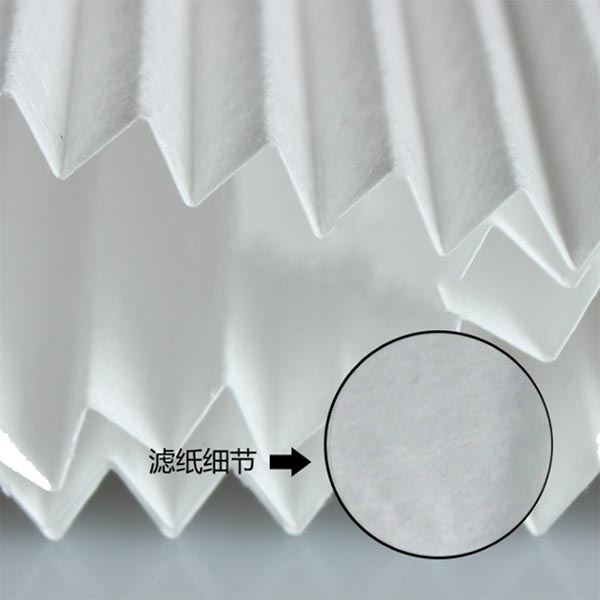
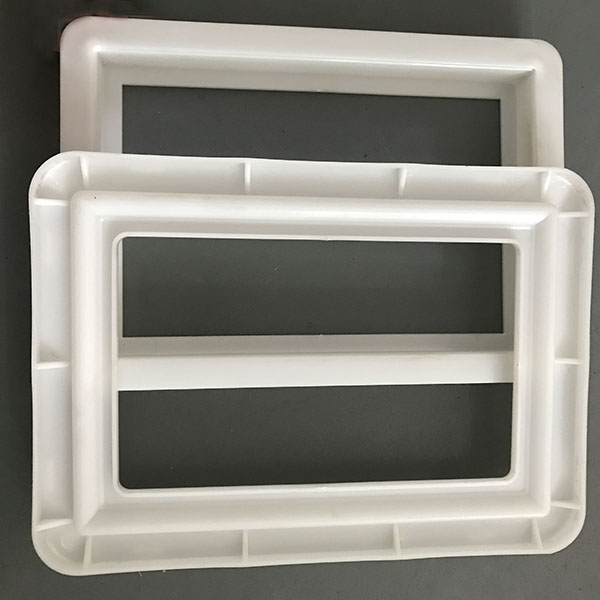
Industrial HEPA filters often feature thick glass fiber media for trapping particles and rugged frames made from metal or heavy-duty polymer composites. This durability ensures they withstand rough handling, moisture, and variable temperatures typical in factories.
2. Airflow Capacity and Efficiency
These filters dramatically reduce airborne contaminants without choking airflow, maintaining operational efficiency. Their high airflow rating ensures they serve large spaces without compromising factory productivity.
3. Scalability and Customization
From small cleanroom filters to massive filters in power plants, industrial HEPA filters come in various sizes and shapes as fits the application. Custom designs meet specific industry regulatory mandates and spatial constraints.
4. Cost Efficiency Over Time
Though initial investment can be steep, the long operational life, reduced maintenance needs, and potential regulatory savings make industrial HEPA impressive in total cost of ownership.
5. Maintenance and Replaceability
Ease of filter replacement while minimizing downtime is critical. Many modern HEPA filters integrate smart sensing to signal performance drops or intakes needing change.
Technical Specifications of a Typical Industrial HEPA Filter
| Specification |
Details |
| Filtration Efficiency |
≥ 99.97% at 0.3 microns |
| Media Material |
Glass fiber or synthetic fibers |
| Frame Type |
Aluminum, galvanized steel, or polymer composite |
| Maximum Airflow |
Up to 1500 CFM (cubic feet per minute) |
| Operating Temperature |
-20°C to 70°C (-4°F to 158°F) |
| Service Life |
6-12 months (depends on conditions) |
Global Applications and Use Cases
The utility of industrial HEPA filters spans diverse sectors and locations:
- Pharmaceutical Manufacturing: Protecting sterile production spaces from contamination in Europe and North America.
- Power and Energy Plants: Controlling particulate emissions in coal, gas, and nuclear plants across Asia and Russia.
- Healthcare Facilities: In hospitals, especially in disaster relief zones like after earthquakes or epidemics in Africa and South America, HEPA filtration limits airborne pathogens.
- Electronics Manufacturing: Ensuring cleanrooms for microchip production in Taiwan and South Korea.
- Mining Operations: Filtering dust in remote mining areas of Australia and Canada, protecting workers’ respiratory health.
Mini takeaway: Industrial HEPA filters are not just equipment; they are pivotal tools adapting to many global challenges.
Advantages & Long-Term Value of Industrial HEPA Filters
Let’s break down why these filters are a cornerstone investment:
- Cost Savings: Reduced downtime and compliance with pollution control laws save penalties and cleanup expenses.
- Sustainability: By drastically reducing harmful emissions and indoor contaminants, these filters support green manufacturing initiatives aligned with ISO 14001 environmental management standards.
- Worker Safety & Social Impact: Cleaner air enables healthier, more productive workforces — an ethical win and economic imperative.
- Reliability: High efficiency under harsh conditions means industrial HEPA filters perform when it counts, a trust earned over decades.
Vendor Comparison: Popular Industrial HEPA Filter Suppliers
| Supplier |
Efficiency |
Custom Sizes |
Typical Lead Time |
Price Range |
| MegaClean Filters |
99.99% |
Yes |
2-4 weeks |
$$$ |
| PureAir Solutions |
99.97% |
Limited |
1-3 weeks |
$$ |
| GreenFlow Tech |
99.98% |
Yes |
3-5 weeks |
$$$$ |
Emerging Trends and Innovations in Industrial HEPA Filtration
Not standing still, manufacturers are exploring new frontiers:
- Nanofiber Materials: Using nanotechnology for finer particle trapping without restricting airflow.
- Smart Filters: Embedded sensors providing real-time filter performance data, optimizing maintenance schedules.
- Eco-Friendly Manufacturing: Biodegradable media and recyclable frames to minimize environmental footprint.
- Integration with HVAC Digital Systems: Automated air quality management adapting to onsite pollutant levels.
Challenges and Solutions in Industrial HEPA Filter Deployment
There are hurdles, naturally:
- Initial Cost: The upfront expenses can deter especially small factories in developing countries.
- Maintenance Complexity: Frequent inspections and replacements can disrupt operations.
- Disposal Concerns: Used filters contain hazardous particles and must be disposed of safely.
Experts suggest leasing or performance contracts to ease financial burdens, and increasing automation to reduce manual checks. Moreover, raising awareness about proper disposal practices is essential to avoid secondary contamination.
FAQ: Your Questions About Industrial HEPA Filters Answered
- What is the typical lifespan of an industrial HEPA filter in a dusty environment?
- Generally, industrial HEPA filters last between 6 to 12 months depending on dust load and operating conditions. Proper maintenance extends service life.
- Are industrial HEPA filters suitable for chemical factories?
- Yes, but they must be combined with pre-filters or activated carbon filters to handle chemical vapors as HEPA filters mainly trap particulates.
- How do I ensure the filter installation meets regulatory standards?
- Work with certified suppliers who comply with ISO and local environmental regulations, and conduct performance testing post-installation.
- Can industrial HEPA filters be customized for unusual shapes or sizes?
- Absolutely. Most large providers offer custom designs tailored to your system specifications.
- Is it possible to retrofit existing HVAC systems with industrial HEPA filters?
- Yes, though it may require modifications to handle the filter’s airflow resistance—consult HVAC specialists for feasibility.
Conclusion: Cleaner Industry Begins with Quality Filtration
The industrial HEPA filter is more than a technical device; it’s a vital safeguard for health, environment, and sustainable growth. Their use improves air quality, worker safety, and compliance with increasingly stringent pollution controls—benefits that ripple through communities and industries alike.
For those ready to enhance air quality and meet tomorrow’s environmental challenges, exploring reliable industrial HEPA filter solutions is a must. Visit our website to learn more and find products that fit your unique needs.
It’s interesting how something as straightforward as filtered air can quietly underpin so much of our industrial progress—and health.
- WHO Ambient Air Quality Fact Sheet
- ISO Standards on Air Filtration
- Wikipedia: HEPA