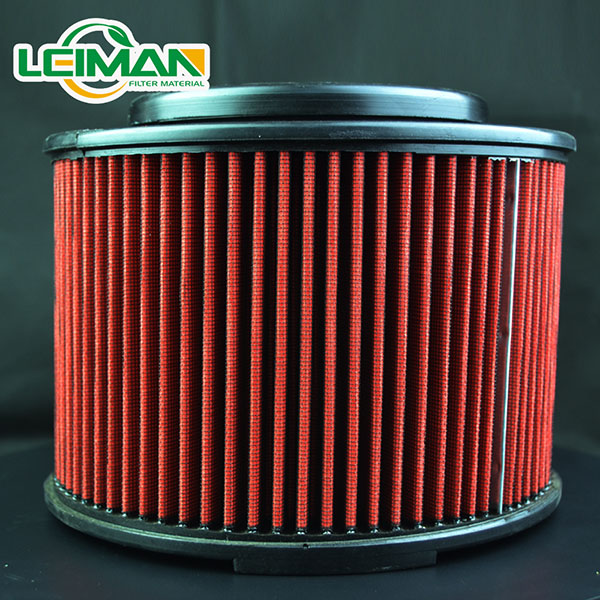
Understanding Oil Filter Paper: Why It Matters in Today’s Industrial World
Oil filter paper may sound like a niche, almost invisible product, but its role is surprisingly central to many industries worldwide. From automotive maintenance to heavy machinery and even humanitarian applications, oil filter paper helps keep engines and systems running smoothly by removing contaminants from lubricants. Understanding its importance brings a few key benefits: better machine longevity, cost savings, and a smaller environmental footprint. Not to mention, it’s often the unsung hero behind efficiency in countless factories and field operations.
In essence, oil filter paper is a simple material playing a very complex role — filtering out particles that could otherwise cause costly damage or failures.
The Global Relevance of Oil Filter Paper in Industry
Oil filtration is a global necessity. The International Organization for Standardization (ISO) estimates that worldwide lubrication oil demand topped 40 million tons in recent years, and around 5-10% of this volume requires regular filtration to maintain performance. In automotive sectors alone, about 20 million oil filters are changed annually in developed markets — and each relies on high-quality filter paper. Industrial machines in emerging regions also depend on reliable filtration to handle dusty, challenging environments.
Yet, the challenge persists: ineffective filtration leads to premature wear, system breakdowns, and increased pollution. According to the United Nations Environment Programme (UNEP), pollution from degraded lubricants contributes to significant environmental hazards annually, underscoring why a quality oil filter substrate is critical.
So, oil filter paper isn’t just about cleaner oil—it’s a component that supports sustainability and cost-efficiency on a global scale.
What Exactly is Oil Filter Paper?
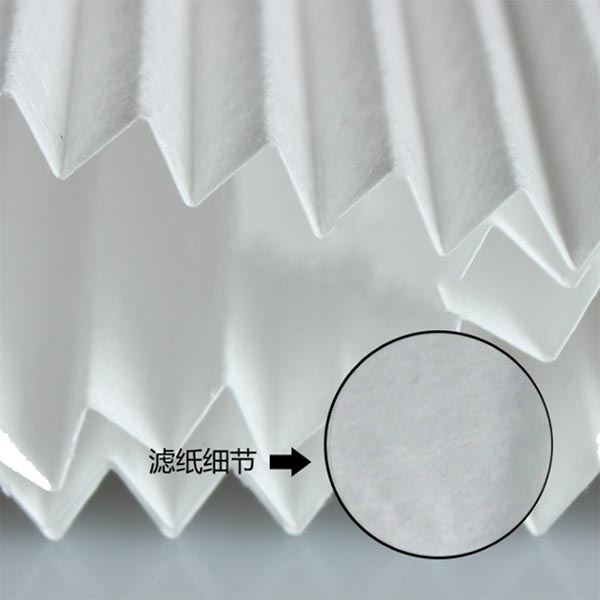
Put simply, oil filter paper is a specialized, porous paper designed to trap dirt, metal shavings, and other contaminants suspended in lubricating oils. Unlike regular paper, it’s made with carefully controlled fiber networks—often cellulose or synthetic fibers—that balance permeability with filtration efficiency.
Industries ranging from automotive to power generation rely on these filter papers to protect delicate engine parts and hydraulic systems. Humanitarian efforts, such as field hospitals or disaster recovery operations, also use filtered lubricants in mobile generators or equipment, ensuring reliability when lives depend on machines.
Imagine running a generator during a flood relief drive — a single clogged filter can jeopardize the entire operation.
Key Factors Behind Quality Oil Filter Paper
1. Filtration Efficiency
This measures how well the paper traps particles of various sizes, from visible grit to microscopic debris. High-efficiency papers ensure oils stay clean longer, protecting machinery from wear.
2. Durability & Mechanical Strength
Oil filters operate under pressure and temperature changes. The filter paper must resist tearing or collapsing — qualities that come from fiber blending and proprietary manufacturing techniques.
3. Oil Compatibility
Since there’s a variety of oils (synthetic, mineral-based, bio-oils), the paper has to withstand chemical interactions without breaking down or releasing fibers into the system.
4. Thickness & Permeability Balance
Too dense a paper, and oil flow slows—leading to pressure drops. Too porous, and contaminants pass through. Striking the right balance is a subtle art backed by lab testing.
5. Cost Efficiency
While it might be tempting to buy cheaper filter paper, lower costs can mean performance compromises. Many engineers say "you get what you pay for" especially over the long haul.
Takeaway: Choosing the right oil filter paper comes down to balancing these factors based on specific application needs and operating environments.
How Oil Filter Paper Serves Global Industries
The application range for oil filter paper is vast:
- Automotive Manufacturing & Maintenance: Every car engine uses oil filters with paper substrates to prolong engine life.
- Heavy Industry: Construction equipment, marine engines, and power plants rely on oil filtration to reduce downtime.
- Humanitarian and Remote Operations: Portable generators in disaster zones use it to keep critical power flowing despite harsh conditions.
- Aerospace & Defense: High-reliability filtration to support mission-critical hydraulic systems.
For example, in Southeast Asia's oil palm plantations, mobile machinery often operates in dusty environments, making frequent oil filtration a challenge. Using durable oil filter paper designed for such conditions reduces mechanical failures and maintenance costs.
It’s fascinating how one product quietly supports the gears of global commerce and emergency relief alike.
Advantages and Long-Term Value of Oil Filter Paper
The tangible benefits stack up quickly:
- Cost Savings: Longer oil life means fewer oil changes and less machinery wear — a big win for operational budgets.
- Environmental Impact: Better filtration reduces hazardous waste and oil contamination in soil and water.
- Reliability & Safety: Cleaner lubricants help machines avoid breakdowns that could be dangerous or costly.
- Trust & Innovation: Manufacturers investing in premium oil filter paper signal quality and a commitment to sustainability.
On a more emotional note, when machinery keeps running through a remote humanitarian crisis, it’s not just tech at work — it’s hope, safety, and human dignity.
Product Specification Table: Typical Oil Filter Paper Features
| Specification |
Typical Range / Value |
Unit |
| Fiber Composition |
Cellulose / Synthetic Blend |
N/A |
| Thickness |
200 - 300 |
microns |
| Filtration Efficiency |
≥ 95% |
for particles > 10 microns |
| Oil Flow Rate |
500 - 800 |
ml/min |
| Temperature Resistance |
-20 to 120 |
°C |
Comparing Leading Oil Filter Paper Vendors
| Vendor |
Materials |
Custom Sizes |
Sustainability Certification |
Typical Lead Time |
| EcoFilter Solutions |
Cellulose & hemp blend |
Yes |
FSC, ISO 14001 |
3 weeks |
| PrimeFilter Co. |
Synthetic fibers |
No |
None |
1 week |
| MFilter Solution |
Cellulose & synthetic hybrid |
Yes, per request |
ISO 9001, ISO 14001 |
2 weeks |
Looking Ahead: Next-Gen Oil Filter Paper Innovations
Innovation isn’t stopping here. Industry experts predict emerging trends like biodegradable filter papers made entirely from natural fibers, and smart filters embedded with sensors to monitor contamination levels in real time. This digital transformation could revolutionize maintenance cycles, reducing downtime and waste.
Companies are also working on greener production methods, aligning with global carbon reduction goals under frameworks like the Paris Agreement. Oddly enough, the push for electric vehicles hasn't diminished the need for advanced oil filter papers—hydraulic systems still need careful protection.
It feels like the journey of this humble paper is far from over — it’s evolving just as fast as the industries it serves.
Common Challenges & Solutions When Choosing Oil Filter Paper
Despite their benefits, oil filter papers can face issues like clogging in extremely dusty environments or chemical degradation in certain oil blends. A popular solution is multilayer filter designs that combine coarse and fine filtration, reducing maintenance frequency.
Another challenge is inconsistent quality from cheap suppliers, which can lead to premature failures. Thoughtful vendor selection — prioritizing ISO-certified manufacturers — helps mitigate this risk. Also, ongoing R&D into synthetic fiber blends promises enhanced durability and better chemical resistance.
In the end, understanding your application and sourcing wisely are key to overcoming these hurdles.
FAQ: Oil Filter Paper Explained
Q1: How often should oil filter paper be replaced in automotive engines?
Most manufacturers recommend changing oil filters every 5,000 to 10,000 miles, but this depends on vehicle type and oil quality. Using a high-performing oil filter paper improves filtration efficiency, so in cleaner environments, intervals can be extended safely.
Q2: Can oil filter paper be recycled or disposed of safely?
Used oil filter paper generally contains oil residues and contaminants, so it needs special treatment before recycling. Many recycling centers accept them as hazardous waste, and some vendors now offer eco-friendly disposed designs that minimize environmental impact.
Q3: What’s the difference between synthetic and cellulose oil filter papers?
Cellulose papers are traditional, often biodegradable, but may degrade faster under heat. Synthetic fiber papers offer greater durability, higher temperature resistance, and better chemical stability, which is essential in high-performance engines or industrial equipment.
Q4: Is it possible to customize oil filter paper dimensions for unique machinery?
Yes! Many suppliers—including MFilter Solution—offer custom sizing and layering options tailored to specific industry or OEM needs, ensuring precise fit and performance.
Q5: How do filter paper properties affect machine efficiency?
If the paper traps contaminants effectively without restricting oil flow, it reduces wear and heat buildup, leading to longer machine life and fewer breakdowns. Poorly chosen filter paper can cause pressure drops or bypass flow, hurting efficiency.
Conclusion: Embracing the Quiet Power of Oil Filter Paper
To wrap it up, oil filter paper may not make headlines often, but it is foundational to the smooth operation of engines and machinery across the globe. Its role in extending equipment life, cutting costs, and supporting sustainable practices can’t be overstated. Whether in bustling factories, remote clinics, or disaster zones, quality oil filter paper keeps systems running and people safe.
Ready to upgrade your filtration solutions? Visit MFilter Solution for innovative, reliable, and sustainable oil filter paper options.
References:
- Oil Filter - Wikipedia
- ISO Lubricants Standards
- United Nations Environment Programme (UNEP)