Oct . 06, 2025
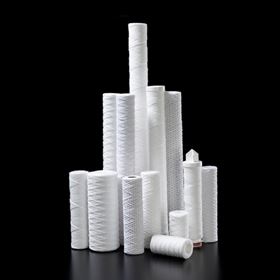
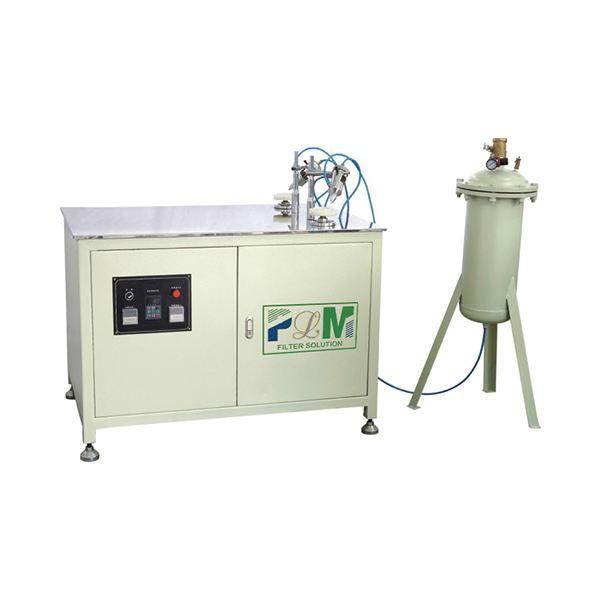
If you’re scaling a melt‑blown line, the unsung station is often the pp spun filter cartridge making machine that seals end plates with absolute consistency. I’ve walked more than a few shop floors where operators swear this step makes or breaks yield. One compact example is the PLMB-2 Sealed Plate Gluing Machine—built in the east of Anping County, Hengshui City, Hebei Province, China 053600—practical, industrial, not flashy. But it gets the job done.
Quick recap of the process (real-world layouts vary, of course):
Description says it straight: “PLMB-2 Sealed Plate Gluing Machine 122.” It’s typically the end-cap station for PP melt‑blown cartridges used in drinking water, RO prefiltration, chemicals, paint/ink, and microelectronics prefilters. Many customers tell me the appeal is stable bead control and a decent learning curve for new operators.
| Parameter | Typical value (≈, may vary) |
|---|---|
| Model | PLMB-2 Sealed Plate Gluing Machine |
| Function | End-cap/plate gluing and curing for PP spun cartridges |
| Cartridge size | Length 10–40 in; OD around 60–120 mm |
| Adhesives | PU hot-melt or epoxy (as specified) |
| Heating/Curing control | Programmable; bead uniformity focus |
| Throughput | ≈120–300 pcs/hour depending on operator/setup |
| Power/Air | Factory-standard AC; shop air ≈0.6–0.8 MPa |
| Certifications | CE declaration; built under ISO 9001 QA (vendor) |
Water treatment OEMs, bottling plants, paint shops, plating lines—anyone pushing 5–20 µm nominal cartridges in volume. One customer (mid-size beverage line) reported a ≈22% output lift after switching to dual-jig fixtures and standardizing bead temperature windows. To be honest, training made half the difference.
| Vendor | Lead time | Support | Customization | Notes |
|---|---|---|---|---|
| MFilter Solution (PLMB‑2) | ≈4–8 weeks | Remote + on-site (by arrangement) | High (fixtures, nozzles, PLC) | Factory origin; parts readily available |
| Local integrator | 2–12 weeks | Fast on-site | Medium | Good for hybrid lines |
| Import brand | 8–16 weeks | Structured service plans | Medium–High | Higher price; polished HMI |
Final thought: a pp spun filter cartridge making machine won’t fix poor media or leaky caps, but a stable gluing station saves rework, which saves margins. Simple as that.
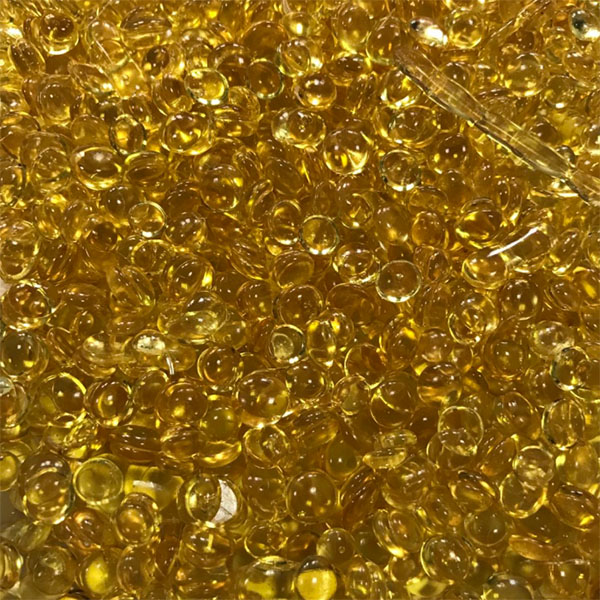
High-Performance Hot Melt Adhesive for Automated Production Lines

High Quality Filter Press Cloth Replacement | Durable & Cost-Effective Solutions