Tea Bag Paper Roll: A Quiet Hero in Global Packaging and Sustainability
When we think about our daily cup of tea, rarely do we consider the humble tea bag paper roll behind the scenes—the essential material that wraps and holds those fragrant leaves. Yet, this seemingly simple product matters a lot on a global scale. From sustainability to manufacturing efficiency and food safety, understanding tea bag paper rolls sheds light on a fascinating intersection of industry, innovation, and environmental responsibility.
Why Does Tea Bag Paper Roll Matter in Today’s Industry?
Globally, the tea market is enormous—over 6 billion kilograms produced annually according to the World Bank. Tea bag paper roll is central to that ecosystem. It’s designed not just to hold tea leaves but to meet stringent standards of biodegradability, food safety (think ISO 22000), and production scalability. Oddly enough, it’s also a silent player in waste reduction and packaging innovation worldwide.
With rising consumer demand for eco-friendly packaging, one challenge has become clear: How to make tea bag paper rolls that are strong enough to maintain integrity during steeping yet break down harmlessly after disposal? This has pushed suppliers and brands toward greener, smarter materials—and the result is quite promising.
What Exactly Is a Tea Bag Paper Roll?
In simple terms, a tea bag paper roll is a continuous sheet of specialized paper designed for cutting and forming into individual tea bags. It’s crafted for high-speed automation in tea packaging machines, balancing porosity and strength to let water flow through while withstanding hot or cold liquids. Usually made from natural fibers like wood pulp combined with food-safe binders, these rolls are sometimes enhanced with biodegradable coatings to improve performance.
The connection to broader industry is clear: these rolls represent a sustainable packaging trend that many other sectors watch closely. From pharmaceutical sachets to coffee pods, the shift toward plant-based, compostable materials is accelerating. And yes, sometimes NGOs and humanitarian organizations seek these paper rolls for tea distributed in relief efforts, where durability and safety can't be compromised.
Mini takeaway:
Tea bag paper rolls are more than paper—they’re a fine-tuned material solution bridging food safety, manufacturing efficiency, and sustainability in a growing global tea industry.
Core Components of an Effective Tea Bag Paper Roll
1. Material Composition
The backbone is usually natural pulp fibers, which provide biodegradability and porosity. The tricky part is balancing these with additives or coatings that don’t compromise recyclability.
2. Porosity & Filtration
Porosity determines how tea infuses without losing too much bulk or allowing fine tea dust to escape. Quality paper rolls maintain optimal pore size for good brew clarity.
3. Durability & Heat Resistance
Paper must hold up in boiling water for up to five minutes without dissolving—pretty impressive when you think about it, right?
4. Compatibility with Machinery
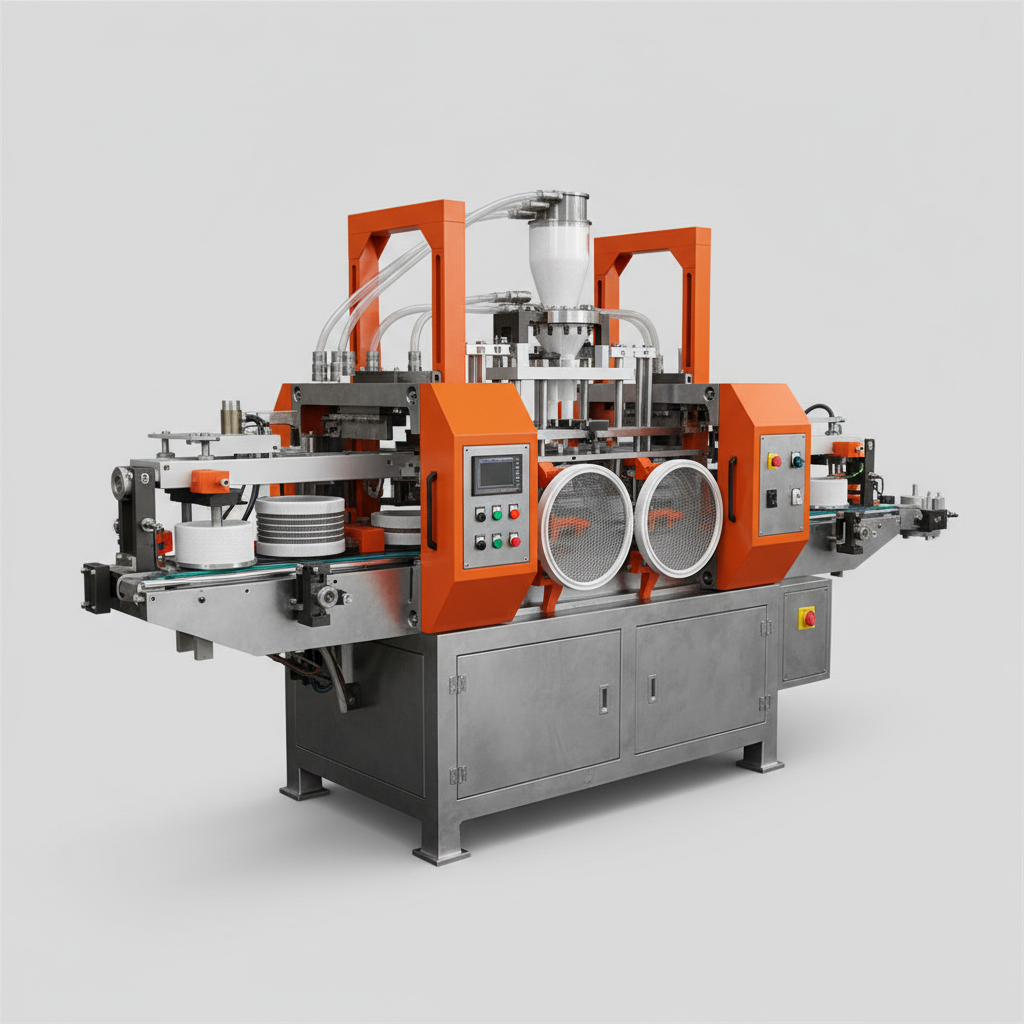
Speed matters in mass tea production, so tea bag paper rolls have to feed smoothly through high-speed machines without jamming or tearing.
5. Sustainability & Certifications
Increasingly, products come with certifications like FSC (Forest Stewardship Council) or comply with EU standards on compostability. This helps brands meet eco-goals and win customer trust.
Mini takeaway:
Behind the scenes, the right tea bag paper roll is a blend of science and art—finely tuned to deliver performance, environmental benefits, and smooth factory workflow.
Global Applications & Real-World Use Cases
Tea bag paper rolls get used everywhere tea bags do, which is nearly every country on Earth! Still, some contexts highlight their importance:
- Commercial Tea Packaging: Brands in China, India, Kenya, Sri Lanka, and beyond depend on high-quality rolls for local and export markets.
- Healthcare & Relief: In emergency food distribution (say in refugee camps), tea bags made from these rolls offer comfort and hydration, requiring reliable materials.
- Specialty Tea Markets: Organic and fair-trade tea producers often insist on certified sustainable paper rolls to maintain their ethical profiles.
- Industrial R&D: Innovations in fiber blends and coatings often occur in Europe and Japan, pushing boundaries of biodegradablity and machine compatibility.
For example, a Kenyan tea cooperative recently switched to compostable tea bag paper rolls, cutting plastic waste by over 20 tons annually. This was a win-win—for community branding and the planet.
Advantages & Long-Term Value of Using Tea Bag Paper Rolls
On paper (pun intended), the benefits feel obvious, but there's more beneath the surface:
- Cost Efficiency: Biodegradable rolls often reduce waste handling costs and align with regulations, avoiding fines.
- Environmental Impact: They curb microplastic pollution, biodegrade fully in composting conditions, and reduce reliance on synthetic materials.
- Social Responsibility: Consumers increasingly expect sustainable packaging—trust builds when brands deliver.
- Performance Reliability: Tea taste and infusion quality remain top-notch, ensuring customer satisfaction.
- Manufacturing Consistency: Compatible rolls reduce machine downtime and maintenance.
In a way, these paper rolls help tea companies tell a better story—one of care, innovation, and respect for nature.
The Road Ahead: Trends and Innovations in Tea Bag Paper Rolls
Looking forward, there is plenty of excitement in this space. For starters, some manufacturers now experiment with
tea bag paper roll infused with natural antibacterial agents, helping extend tea shelf life and enhance hygiene.
Using digital printing directly on rolls—imagine personalized tea bags with colorful, eco-friendly inks—is gaining traction. Plus, automation advancements are allowing precise roll cutting, drastically reducing scrap rates.
On sustainability, expect more blends combining bamboo fibers, hemp, or even agricultural waste fibers to reduce tree pulp dependency. The EU's push for circular packaging policies keeps the pressure on companies to innovate greener materials.
Challenges & How Experts Are Overcoming Them
Problems persist, though. Water resistance and tear strength without compromising biodegradability remain a tightrope walk. Some paper rolls degrade too quickly or release microfibers unexpectedly. Sourcing consistent quality pulp fibers at scale isn’t always easy either.
Innovation here involves smart polymer blends, enzyme treatments, and improved quality controls. Some tea companies collaborate closely with suppliers to tailor paper roll specs to their exact machine setups—reducing waste and downtime in the process.
Frequently Asked Questions About Tea Bag Paper Roll
- Q1: What makes a good quality tea bag paper roll?
- A good tea bag paper roll must offer the right porosity for efficient infusion, durability to withstand boiling water, and be food-safe and biodegradable. It's a delicate balance that ensures great flavor and eco-friendliness.
- Q2: Can tea bag paper rolls be recycled or composted?
- Most modern tea bag paper rolls are compostable under industrial conditions and some home compost setups, thanks to natural fiber composition. Recycling is trickier since they may be contaminated with tea residues.
- Q3: How do tea bag paper rolls affect packaging machinery performance?
- The correct paper roll smoothens machine operation by resisting tearing and jamming. Incorrect rolls often cause downtime or waste, affecting overall efficiency.
- Q4: Are there certifications to look for when choosing tea bag paper rolls?
- Yes, certifications like FSC (Forest Stewardship Council), ASTM compostability standards, and food safety certificates (ISO 22000) are common indicators of quality and responsibility.
Product Specification Table
| Specification |
Description |
| Material |
Natural wood pulp with biodegradable binder |
| Roll Width |
350 mm – 1000 mm (custom sizes available) |
| Thickness |
0.07 mm – 0.12 mm |
| Porosity |
Optimized for water permeability and tea retention |
| Certifications |
FSC, Compostable ASTM D6400, ISO 22000 |
| Biodegradation Time |
Industrial composting: 90 days |
Vendor Comparison Table
| Vendor |
Material Types |
Sustainability Certifications |
Price Range |
Customization Options |
| GreenLeaf Papers |
Wood pulp, bamboo fiber blends |
FSC, EU Compostability |
$$$ |
Roll width, thickness, surface treatment |
| PureTea Rolls Ltd. |
Natural pulp with biodegradable binder |
ASTM D6400, ISO 22000 |
$$ |
Standard sizes, minor film coating |
| EcoBag Solutions |
Hemp fiber infused paper |
FSC, USDA Organic |
$$$ |
Custom porosity, embedded natural agents |
Wrapping It Up: Why Tea Bag Paper Roll Deserves Your Attention
In a world increasingly focused on sustainability, efficiency, and consumer experience, the tea bag paper roll is far from just “paper.” It’s a small yet critical piece in global packaging innovation, representing the collective effort to reduce waste, improve reliability, and respond to environmental challenges. While it quietly supports your perfect cup of tea, the roll’s nuances influence entire supply chains and affect real-world social and ecological outcomes.
If you’re a manufacturer, brand manager, or just plain curious, diving deeper into the specifications, certifications, and suppliers of tea bag paper roll will open doors to smarter, greener packaging solutions that resonate with today’s conscientious consumer.
So next time you enjoy a steaming cup, perhaps spare a thought for the paper roll that’s quietly doing its job—and doing it well.
References:
- World Bank – Agriculture and Tea Production Data
- ISO 22000 — Food Safety Management
- Wikipedia – Tea Bag