The World of Glass Fiber Filters: Why They Matter More Than You Think
If you’ve ever paused to think about clean air, safe water, or reliable industrial filtration, you’ve brushed against the humble yet mighty glass fiber filter. It sounds like something from a science textbook—or maybe a geeky DIY project. But in reality, these filters play a massive role across industries and environmental efforts globally. Why should you care? Well, whether it’s ensuring strict air quality in hospitals, purifying water supplies in remote communities, or maintaining the reliability of high-tech manufacturing plants, glass fiber filters keep the wheels turning and the air breathable.
Understanding glass fiber filters means appreciating how they tackle pollution, help us stick to tough ISO standards, and contribute to health and sustainability goals worldwide. Let’s take a stroll through the nuts and bolts of glass fiber filters—no jargon, just the essentials sprinkled with a few interesting insights.
Setting the Scene: Why Glass Fiber Filters Are Going Global
Here’s a quick fact: the World Health Organization estimates that around 7 million premature deaths annually are linked to air pollution. In industrial areas, where particulate matter can be hazardous, filtration becomes a frontline defense. In this context, glass fiber filters are invaluable because they offer superior performance in trapping tiny particles that traditional filters might miss.
Global industry trends show growing demand for fine particulate filtration—whether it’s in automotive manufacturing hubs in Asia or heavy machinery plants in Europe. Plus, as governments tighten air and water quality regulations (hello, ISO 16890 and ISO 29463 standards), companies scramble to find reliable filtration tech that doesn’t break the bank.
But the challenge? Filtration solutions must be adaptable, effective, and sustainable—a trifecta that’s not easy to tick. Glass fiber filters hit that sweet spot, and that’s why innovation in this space is hot.
What Exactly Is a Glass Fiber Filter?
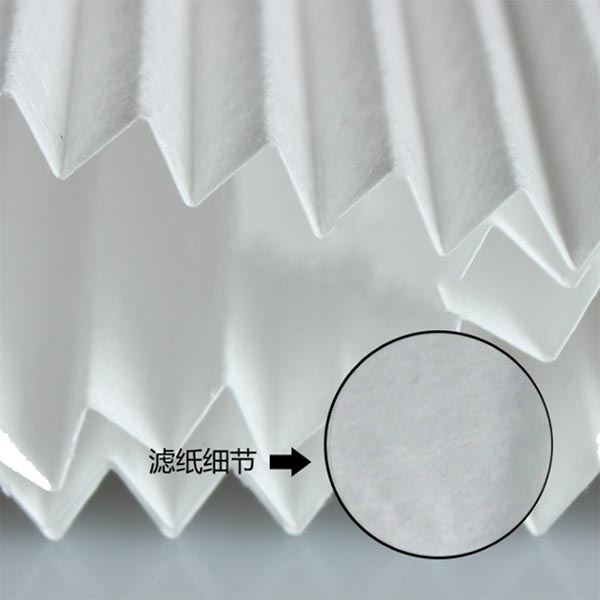
Simply put, a glass fiber filter is a media made from fine fibers of glass woven or bonded into a porous mat. This mat captures particles—dust, microorganisms, aerosols—while letting air or liquid flow through. Think of it like a microscopic net with holes just the right size to catch harmful bits but not slow down the process.
Behind the scenes, the manufacturing involves melting glass at high temperatures, then spinning it into super-fine strands that get formed into sheets or rolls. This special structure gives the filter its high efficiency and durability, making it a favorite where precision and reliability matter.
Glass Fiber Filters in Industry and Beyond
- HVAC systems: Trusted in hospitals and cleanrooms to maintain sterile air.
- Water purification: In remote or disaster-hit regions where clean water access is crucial.
- Pharmaceutical manufacturing: To ensure contaminant-free environments.
- Automotive and electronics: Protects sensitive parts from dust and moisture.
- Environmental monitoring: Capture airborne particles for analysis.
If you want spot-on reliability, glass fiber filter technology often comes out ahead.
Core Components and Critical Features of Glass Fiber Filters
1. Durability and Heat Resistance
Unlike many polymer-based filters, glass fibers can withstand higher temperatures—often exceeding 250°C. This means they’re ideal for industrial processes that involve heat, such as curing or chemical manufacturing.
2. Fine Particle Filtration
Thanks to their microstructure, these filters can trap particles down to 0.3 microns or smaller, capturing pollutants, bacteria, and even some viruses. This makes them go-to choices for cleanroom air filters.
3. Chemical Stability
Glass fibers are largely inert, so they don’t degrade easily when exposed to various chemicals, acids, or solvents. This prolongs filter life and preserves purity in sensitive contexts.
4. Cost Efficiency
Although not the cheapest upfront, their durability and efficiency often translate to lower life-cycle costs. Less frequent replacements and improved performance make a practical business case.
5. Scalability and Customization
Manufacturers can tweak fiber density and sheet thickness to fit different flow rates and filtration requirements. This adaptability is a key advantage when designing for specialized applications.
Glass Fiber Filter Product Specifications
| Specification |
Typical Value |
Unit |
| Fiber Diameter |
1–3 |
µm |
| Max Operating Temperature |
280 |
°C |
| Particle Retention Efficiency |
≥ 99.97% |
@ 0.3 µm |
| Acid Resistance |
High |
|
| Media Thickness |
0.8–3.0 |
mm |
Mini takeaway: The technical edge of glass fiber filters lies in their unique fiber construction, heat tolerance, and filtration efficiency that outperforms many synthetics in high-stakes environments.
Who’s Making the Cut? Vendor Comparison in Glass Fiber Filter Market
| Vendor |
Product Range |
Price Level |
Global Availability |
Customization |
| MFilter Solutions |
Wide (HVAC, pharma, water) |
Medium |
Worldwide |
High (fiber density, sheet size) |
| FibroTech Filters |
Specialist industrial |
High |
Europe, Asia |
Medium |
| ClearAir Glass Filters |
Moderate (HVAC only) |
Low-Medium |
North America |
Low |
How Glass Fiber Filters Make a Real Difference Worldwide
Look, not every filter is born equal. In regions affected by wildfires, dust storms, or heavy industrial pollution—think parts of Australia, India, or the American West—glass fiber filters have helped maintain indoor air quality, sometimes literally saving lives. In post-disaster relief, when infrastructure is down, portable water filtration using these filters can provide clean drinking water in a pinch. Organizations like the UN and WHO rely on robust filtration tech to meet strict humanitarian standards.
Even in cutting-edge industries such as semiconductor manufacturing, where even a speck of dust can cause costly defects, glass fiber filters serve as the unsung heroes of quality control. So the reach is vast and varied—covering everything from preventing respiratory diseases to enabling innovation in tech.
Advantages and Long-Term Value of Glass Fiber Filters
- Reliable performance: Keeps products and people safe without frequent replacement.
- Cost savings: Oversized capacity and chemical resistance reduce downtime.
- Sustainability: Longer life and recyclability are good for the planet.
- Trust: When your processes count on quality, glass fiber filters deliver.
Honestly, many engineers I’ve spoken to swear by glass fiber because it’s just... dependable. No fuss, no surprises.
What’s Next? Future Trends in Glass Fiber Filtration
Oddly enough, even though glass fiber tech feels mature, there’s a wave of innovation underway:
- Nanotechnology: Embedding nanoparticles can improve filtration at even smaller scales.
- Eco-friendly binders: Moving away from synthetic resins to more biodegradable options.
- Smart filters: Sensors integrated to monitor clogging or pollution levels in real time.
- Automation: Adaptable filter media that self-regenerate or adjust porosity dynamically.
It’s a fascinating mix of tradition and tech-forward thinking—and one that could reshape environmental safety in the years ahead.
Common Challenges and Ways to Address Them
No product is perfect, and glass fiber filters face some hurdles. Their fragility compared to synthetic materials can cause handling damage if not carefully packed. Also, dry filters don’t perform optimally with sticky oily aerosols without special treatments. Disposal can be tricky in certain regions due to micro-particle contamination concerns.
Experts suggest that combining glass fiber with synthetic layers, or coating fibers with nanomaterials, can boost durability and specialty applications. Training in proper installation also goes a long way. Manufacturers like MFilter Solutions focus heavily on these innovations to stay ahead.
FAQs About Glass Fiber Filters
- Q: Can glass fiber filters be reused or cleaned?
- A: Generally no—these filters are designed for single use to ensure maximum efficiency. Attempts to clean can damage the fiber structure and reduce performance.
- Q: Are glass fiber filters safe for use in medical environments?
- A: Yes, their high filtration efficiency and chemical stability make them ideal for sterile air filtration in hospitals and labs.
- Q: How does a glass fiber filter compare to HEPA filters?
- A: Many HEPA filters use glass fiber media. So, a glass fiber filter often serves as the core of HEPA technology, offering very high particle retention.
- Q: Can glass fiber filters handle oily aerosols?
- A: Standard glass fiber filters alone aren’t optimal for oily aerosol capture but can be coated or combined with other materials to improve performance.
- Q: Where can I source reliable glass fiber filters globally?
- A: Vendors like MFilter Solutions provide worldwide shipping and custom options suited to various industry needs.
Wrapping It Up: Why Glass Fiber Filters Still Matter Tomorrow
To sum up, glass fiber filters offer a unique blend of durability, precision, and adaptability that continues to keep them relevant in the modern world. From protecting communities against pollution to underpinning advanced manufacturing, they’re quietly pivotal. The future promises more innovation, better sustainability, and smarter filter tech. For anyone vested in cleaner air, safer water, or higher quality standards—these filters are worth knowing about.
Interested in exploring the latest in glass fiber filtration? Visit our website: https://www.mfiltersolution.com for details, custom solutions, and expert advice.
Mini takeaway: Glass fiber filters aren’t just screens; they’re essential guardians of health and technology worldwide.
References
- World Health Organization: Air Quality and Health
- ISO 16890 - Air filters for general ventilation
- Wikipedia: Glass Fiber