The Unsung Hero of Single-Serve Coffee: What is a K Cup Filter and Why It Matters Globally
If you’ve ever brewed a quick cup of coffee with one of those nifty single-serve machines, you’ve encountered a k cup filter—but what exactly is it, and why has it become so significant worldwide? Beyond just a convenience item for your morning ritual, the K Cup filter represents a tiny, yet mighty, piece of modern filtration and packaging ingenuity that impacts manufacturing, sustainability efforts, and even international trade.
Understanding the K Cup filter’s design and function isn’t just for coffee lovers or product developers; it matters because it ties directly into global trends in packaging waste reduction, water filtration efficiency, and even how multinational brands adapt to consumer demands in different markets.
In short, mastering what a K Cup filter is all about can unlock new opportunities—whether you’re an innovator in product design or simply curious about the little parts woven into our daily lives.
Why K Cup Filters Matter Globally: A Quick Industry Snapshot
Single-serve coffee pods, particularly those using K Cup filters, have exploded in popularity globally. According to the International Coffee Organization, global coffee pod sales are expected to grow at a CAGR of around 7% through 2026, fueled largely by demand in North America, Europe, and increasingly Asia-Pacific.
Yet the rise in popularity has brought challenges. Millions of pods are discarded daily, raising significant environmental concerns linked to non-recyclable plastics and waste. The ISO's environmental standards now strongly encourage component recycling and the use of biodegradable materials.
Plus, the industry faces technological puzzles: how to keep the coffee fresh, avoid clogging during brewing, and allow for efficient water flow in an ultra-compact design.
So the K Cup filter doesn't just solve a minor mechanical problem — it addresses the intersection of consumer convenience, environmental impact, and technical innovation.
What Exactly is a K Cup Filter?
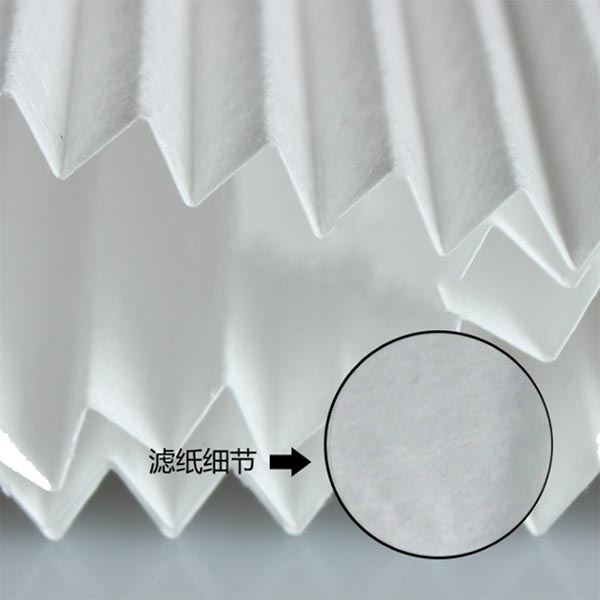
Put simply, the K Cup filter is the tiny mesh or paper filter inside a single-serve pod that holds coffee grounds and allows water to pass through, brewing coffee without letting fine grounds escape into your mug. It's a precision-engineered piece typically made from food-safe plastic mesh or compostable paper.
These filters originated as a response to the need for a clean, fast filtration method compatible with Keurig brewing machines, but now similar concepts have branched out into tea pods and other single-serving infusions.
On a broader note, the K Cup filter represents a convergence of packaging technology and filtration science, critical in many industries beyond coffee. For example, similar filter tech appears in small-scale water treatment devices used in humanitarian aid.
Key Qualities of K Cup Filters That Keep the Coffee Flowing
1. Durability and Heat Resistance
K Cup filters must withstand the hot brewing temperatures — usually around 200°F (93°C) — without deforming or releasing harmful substances. Manufacturers often use polypropylene or nylon meshes for plastic filters that can handle heat and pressure.
2. Filtration Efficiency
The filter thickness and pore size are optimized to trap coffee grounds but allow rapid water flow. Generally, pore sizes vary between 50 to 150 microns, striking a balance between taste clarity and flow rate.
3. Sustainability & Compostability
Recent years have pushed for eco-friendly filters made from biodegradable fibers or recyclable materials. Paper-based filters are now becoming more common, especially as legislation forbidding single-use plastics grows.
4. Compatibility & Scalability
The filters are designed to fit a range of pod shapes and machines, ranging from standard K Cups to larger volume pods for office or industrial use. This flexibility is crucial for broad market adoption.
5. Cost Efficiency
Mass production and material choices ensure the filters remain affordable, which is vital given the sheer volume produced annually—estimated at over 9 billion pods per year globally.
Mini Takeaway: The K Cup filter’s blend of durability, precision filtration, and eco-conscious design reflects broader industry efforts to combine quality and sustainability.
Where in the World Do K Cup Filters Make Their Mark?
The largest consumers of K Cup coffee are the US and Canada, where Keurig machines dominate home and office coffee habits. Europe is catching up, with brands adapting filters to suit stronger, darker roasts preferred by many consumers.
Asia-Pacific markets, especially Japan and South Korea, have begun incorporating K Cup style pods into premium coffee culture, blending traditional brewing values with modern convenience.
Interestingly, humanitarian organizations have experimented with K Cup filter tech in portable filtration devices. For instance, in remote areas suffering from water contamination, filters based on similar micro-mesh technology help provide clean drinking water quickly.
In food service, institutions like hotels and airlines use larger volume K Cup filters for on-demand coffee services, optimizing freshness and reducing waste.
Advantages of Using K Cup Filters: Not Just the Coffee Buzz
- Convenience: Quick, mess-free coffee preparation in under a minute.
- Consistency: Precise filtration preserves flavor clarity, giving a consistent cup every time.
- Environmental Progress: New biodegradable filters are lessening environmental footprints.
- Trust: Consumers rely on the engineered safety to ensure no plastic leaches into their beverage.
- Innovation: As companies compete, filter technology continues to improve with novel materials and designs.
Frankly, it’s not just engineers who appreciate these filters; coffee lovers do too. It’s a neat blend of science and convenience that elevates the ritual.
Looking Ahead: Future Trends in K Cup Filter Technology
The future is green(er). Bioplastics derived from cornstarch or bamboo fibers are being trialed to replace traditional plastics completely.
Automation in production lines will tighten quality control, ensuring fewer clogged filters and higher consistency.
Digitally enhanced materials might even allow filters that can adjust pore sizes or release flavor enhancers on demand, but that’s still in the conceptual phase.
Meanwhile, companies are racing to develop fully compostable pods that do not sacrifice freshness or durability.
Challenges to Overcome and Their Solutions
Currently, the main challenges involve waste management and filter clogging in certain brew conditions. While recyclable pods exist, the disassembly required is a hassle for consumers.
Innovative approaches include:
- Implementing single-material pods to simplify recycling.
- Using nanotechnology for ultra-thin filters that maintain strength but reduce raw material use.
- Designing pods that compost fully within 90 days to satisfy sustainability criteria.
Manufacturers and recyclers are ironing out these issues, but it requires consumer education and infrastructure advances...
Frequently Asked Questions About K Cup Filters
- Q: How can I tell if a K Cup filter is recyclable or compostable?
- A: Check the packaging or product specs. Compostable filters often use fiber-based materials and carry certifications like ASTM D6400. Recyclable ones are usually polypropylene mesh but need local facility compatibility.
- Q: Can I reuse a K Cup filter, or is it single-use only?
- A: K Cup filters are designed for single use to ensure optimal freshness and filtration. Reusing can lead to clogging and inconsistent taste.
- Q: Are biodegradable K Cup filters as durable as plastic ones?
- A: Modern biodegradable filters handle brewing temperatures well but may be slightly less durable over long storage. They trade some longevity for environmental benefits.
- Q: How do K Cup filters affect the flavor of coffee?
- A: High-quality filters allow oils and flavors through efficiently while keeping grounds out, maintaining clean taste and aroma.
K Cup Filter Specification Table
| Attribute |
Specification |
Notes |
| Material |
Polypropylene mesh / Compostable paper fiber |
Material impacts recyclability |
| Pore Size |
50–150 microns |
Balances flow and ground retention |
| Heat Resistance |
Up to 200°F (93°C) |
Tolerates brewing temperatures |
| Thickness |
0.3–0.8 mm |
Thin enough for flow, strong enough for durability |
| Shelf Life |
Typically 12–24 months |
Depends on packaging environment |
Vendor Comparison: Leading K Cup Filter Manufacturers
| Manufacturer |
Filter Material Options |
Sustainability Focus |
Customization Capabilities |
Average Lead Time |
| EcoFilter Solutions |
Compostable paper, bamboo fiber |
Strong – 100% compostable certified |
High – bespoke pore sizes & thickness |
4 weeks |
| PolyMesh Tech |
Polypropylene mesh, nylon mesh |
Medium – recyclable components |
Medium – standard meshes & sizes |
2 weeks |
| GreenPod Innovations |
PLA bioplastic mesh |
Excellent – plant-based materials |
High – advanced biopolymer engineering |
6 weeks |
Conclusion: Why the K Cup Filter Is More Than Just a Little Mesh
The humble k cup filter is something of a juggernaut in the single-serve coffee world. It’s tucked inside millions of daily brews and quietly solves tricky engineering and environmental dilemmas. From durability and filtration efficiency to sustainability efforts carving a greener future, the filter is a perfect example of how small components can have global impact.
Whether you’re a manufacturer looking to innovate or simply appreciating your morning cup, it’s clear that the future of K Cup filters is both bright and green.
For those curious to explore more or find bespoke solutions for their coffee pods, visit our website for more details at k cup filter.
References & Further Reading:
- International Coffee Organization Statistics
- Wikipedia: Sustainability
- ISO Environmental Management Standards