Understanding Plastic Frame Materials: A Cornerstone of Modern Construction and Design
When we talk about plastic frame materials, we’re really diving into a versatile and essential component of countless industries globally—from the eyewear on your face to the window panes in skyscrapers. It's fascinating how these materials shape our lives, often unnoticed, yet their impact is undeniably vast. In fact, as of 2023, plastics used in construction alone accounted for nearly 20% of global plastic consumption, reflecting their irreplaceable role plastic frame materials can play in building modern infrastructure.
Understanding plastic frame materials matters deeply—not just for manufacturers or engineers, but also for policymakers aiming to balance sustainability with economic and social growth. Their affordability, durability, and adaptability have made them ubiquitous, while ongoing innovation continues to push their application into greener, smarter realms.
Global Context of Plastic Frame Materials
Globally, the use of plastic frame materials is rising, with the construction sector alone expecting a CAGR (Compound Annual Growth Rate) of nearly 5% until 2030 (source: International Energy Agency). The surge is driven by demand for lightweight alternatives, energy efficiency, and cost-effective solutions. Oddly enough, while the environmental impact of plastics is well-documented, advances in recycling and bioplastics are carving new pathways for sustainable use. Challenges, however, persist—especially in developing nations where waste management systems lag behind rapid urban expansion.
What Exactly Are Plastic Frame Materials?
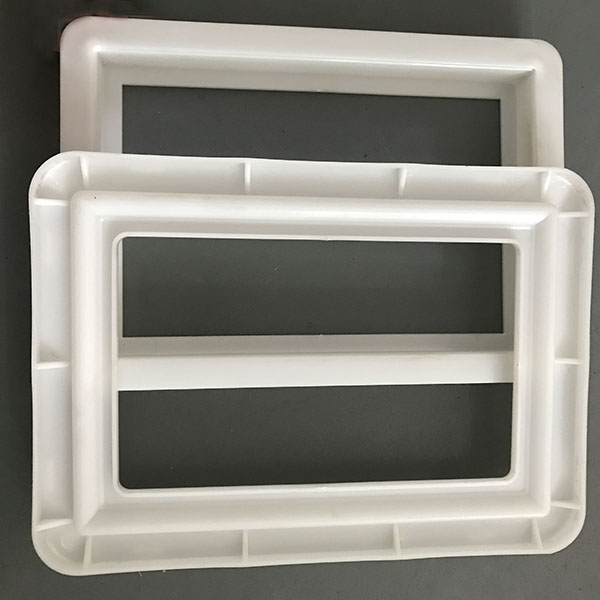
At its core, plastic frame materials are synthetic polymers shaped to create structural frameworks. Think of window frames, door casings, even frames within modular housing units or devices. Unlike traditional materials like wood or metal, plastic frames are engineered to resist corrosion, moisture, and temperature swings. Their lightweight nature often makes installation simpler and reduces transportation costs, especially important in remote or disaster-hit areas.
These materials are often blends or composites that include additives to enhance their strength or flexibility. This versatility ties directly to their widespread adoption across modern industries—whether in humanitarian relief shelters, precision electronics, or industrial equipment casings.
Key Factors Defining Plastic Frame Materials
1. Durability
Plastic frames resist rust, rot, and insect damage far better than wood or metal, which is why they’re preferred in humid or coastal environments. This longevity means less maintenance, saving both time and money.
2. Scalability
Manufacturing plastic frames via injection molding or extrusion can be rapidly scaled, suiting mass production needs. This scalability is vital, for instance, during emergency response where quick deployment is non-negotiable.
3. Cost Efficiency
Generally, plastic frames cost less than equivalent metal or hardwood frames. This efficiency trickles down to end-users and large-scale projects, influencing choices in urban planning and humanitarian aid.
4. Thermal and Acoustic Insulation
Plastic frames often provide superior insulation compared to metal. This feature significantly enhances energy efficiency—a rising priority globally to reduce carbon footprints in buildings.
5. Environmental Impact
While plastics have a bad rap environmentally, innovations such as recycling programs and biobased plastics improve their sustainability profile. Usage of recycled plastic frame materials is gaining momentum especially in European and Asian markets.
Product Specifications of Common Plastic Frame Materials
| Material Type |
Density (g/cm³) |
Thermal Conductivity (W/m·K) |
Typical Applications |
Recyclability |
| PVC (Polyvinyl Chloride) |
1.3 - 1.45 |
0.16-0.19 |
Window Frames, Electrical Conduits |
Moderate |
| Polycarbonate (PC) |
1.2 |
0.19-0.22 |
Eyeglass Frames, Protective Equipment |
Good |
| ABS (Acrylonitrile Butadiene Styrene) |
1.04 |
0.17-0.22 |
Consumer Goods, Automotive Components |
Moderate |
Global Applications and Use Cases
Plastic frames, frankly, are everywhere. In Southeast Asia’s booming construction sector, PVC frames are standard in affordable housing. In disaster-prone Caribbean islands, NGOs use modular shelters featuring plastic frames for quick deployment—durability against hurricanes is key here. Remote industrial zones harness lightweight plastic frames for easier transportation and rapid installation of equipment housing. Even tech companies rely on polycarbonate frames to build sturdy yet light casings for electronics, vital in durability and precision.
Vendor Comparison Table: Leading Plastic Frame Material Providers
| Vendor |
Key Strength |
Sustainability Focus |
Global Reach |
Typical Industries Served |
| PolyTech Materials Ltd. |
Advanced composites |
Uses 40% recycled content |
Europe, Asia |
Construction, Automotive |
| GreenFrame Solutions |
Bioplastics innovation |
100% biodegradable materials |
North America, Europe |
Architecture, Consumer goods |
| Duraplast Inc. |
Custom extrusion services |
Moderate, focus on waste reduction |
Global |
Industrial, tech, construction |
Advantages and Long-Term Value
Plastic frame materials boast tangible benefits: they keep costs low, reduce overall weight, and resist environmental wear-and-tear. From a social perspective, they provide safer, more durable housing and infrastructure in underserved areas—a significant boost to dignity and community resilience. It’s easy to see why architects and engineers place trust in these materials. Add to that their energy-saving insulation properties and growing eco-conscious manufacturing—and you have a product category that truly blends innovation with responsibility.
Future Trends and Innovations
Looking forward, the future of plastic frame materials seems to hinge on sustainability and smart integration. Bioplastics, recycled composites, and zero-waste production techniques are front and center. Green energy-powered manufacturing and automation promise not only efficiency but also traceability in supply chains, increasingly demanded by clients worldwide. Interestingly, digital twins and AI design tools are optimizing frame shapes and strength to reduce material waste. The circular economy model is swiftly reshaping the space.
Challenges and Solutions
Despite their many perks, plastic frame materials are not without challenges. Environmental concerns around plastic waste loom large. Additionally, certain plastics can be sensitive to UV degradation or extreme temperatures, limiting some applications. But solutions are emerging: UV stabilizers extend life spans, while policy pushes for extended producer responsibility encourage recycling. NGOs and companies are experimenting with modular designs that allow parts reuse, which feels like a promising step.
FAQ: Common Questions About Plastic Frame Materials
- Q: What makes plastic frames a better choice than metal in construction?
A: Plastic frames are lighter, resistant to corrosion, and often provide better thermal insulation—helping reduce energy costs. While metal is stronger mechanically, plastics offer easier installation and durability in harsh environments.
- Q: How long do plastic frame materials typically last outdoors?
A: With proper UV stabilization, they can last 20-40 years depending on exposure, climate, and maintenance. This lifespan compares favorably with untreated wood or metal subject to rust.
- Q: Are plastic frames environmentally friendly?
A: It depends. Conventional plastics have environmental downsides, but recycled or biobased plastics significantly reduce impact. Many manufacturers now emphasize sustainable sourcing and circularity.
- Q: Can NGOs import plastic frame materials easily for relief projects?
A: Yes, most suppliers offer export-ready options with certifications. Coordinating with logistics providers experienced in modular construction helps smooth customs and transport hurdles.
Conclusion
Plastic frame materials stand at the crossroads of innovation, economy, and sustainability in global construction and industrial applications. Their adaptability and growing eco-friendly credentials make them key players in future building solutions. If you’re looking to explore more about how plastic frame materials can optimize your projects or products, do visit our site for detailed resources and expert guidance.
Mini takeaway: Plastic frame materials—lightweight, durable, and increasingly sustainable—are reshaping industries worldwide. Understanding their nuances can empower smarter, greener choices.
References:
1. International Energy Agency, Plastics in Construction (2023)
2. ISO 14021: Environmental labels and declarations (Recyclability standards)
3. United Nations Environment Programme, Circular Economy and Plastics (2022)