Understanding Bag Pocket Media: A Small Solution with Big Global Impact
If you’re hearing about bag pocket media for the first time, you might wonder what’s so interesting about a “bag” or a “pocket” in filtration or industrial processes. But in reality, this technology quietly drives innovations in air and liquid filtration around the world. In industries as varied as chemical manufacturing, water treatment, and disaster relief, bag pocket media plays a crucial part in keeping our environments clean and machinery efficient. It’s not just a filter—it’s a key to sustainability, safety, and cost-effective operations. Understanding these media means appreciating how a seemingly small product can influence large-scale industrial and humanitarian outcomes.
The Global Stage: Why Bag Pocket Media Matters Today
Globally, concerns about pollution control, resource efficiency, and regulatory compliance are at an all-time high. According to the ISO and data from the UN Environment Programme, industries responsible for air emissions and wastewater treat billions of cubic meters of waste yearly. Bag pocket media filters are widely embraced because they offer a reliable, scalable, and economical approach to catching particulate matter, suspended solids, and even some liquid contaminants.
But here’s the kicker: many industries still wrestle with heavy maintenance costs, downtime, and inconsistent filtration quality. Bag pocket media can counter those issues by offering enhanced durability and tailored filtration efficiency. For example, in many developing regions facing harsh environments, finding a filter that withstands dusty air, oily particles, or aggressive chemicals isn’t just a convenience—it’s a necessity. It’s a vital component in helping business and humanitarian projects meet their goals sustainably and cost-effectively.
Mini takeaway:
Bag pocket media is more than filtration—it's an industry lifeline, addressing serious global health and environmental challenges.
What Exactly is Bag Pocket Media?
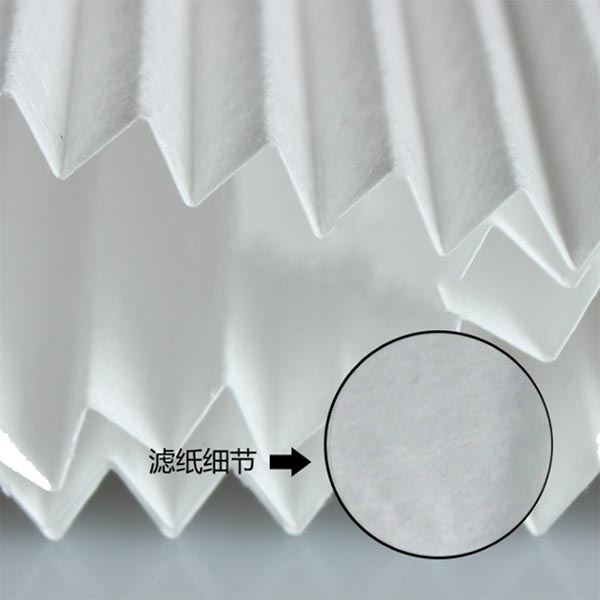
Simply put, bag pocket media refers to specialized filter bags made from engineered fabrics, designed to trap particles in air or fluids. Think of it like a very sophisticated net, woven with fibers chosen for their strength, porosity, and chemical resistance. These bags often have “pockets” or compartments that maximize surface area while maintaining airflow or fluid throughput.
Traditionally used in dust collectors, liquid filtration, and industrial vacuum systems, bag pocket media is now a go-to in various sectors because it combines fine filtration with easy maintenance and replacement capabilities. Its connection to modern industry is quite direct: as regulations push for cleaner emissions and reduced waste, bag pocket media steps up, helping companies comply without breaking the bank.
Mini takeaway:
At heart, bag pocket media is a smart, flexible filter design engineered to tackle pollution in many forms, from air particulates to liquid impurities.
Key Components Defining Bag Pocket Media Performance
Durability
These filter bags endure a lot. In industrial environments, they face abrasive particulates, chemical exposure, and wide temperature ranges. Their fabric composition—often polyester, polypropylene, or specialty blends—must resist wear and tear, ensuring long service life and fewer replacements.
Filtration Efficiency
Engineered fibers and fabric construction determine how well the bag traps particulates. Micron ratings vary, but many bag pocket media types can capture particles finer than 1 micron, suitable not just for industrial dust but also for some bacteria and liquid contaminants.
Cost Efficiency
Compared to cartridge filters or custom-built mechanical systems, these bags offer a lower up-front cost and simple maintenance. They’re inexpensive to produce but deliver consistent performance, making them attractive especially in budget-sensitive operations.
Scalability & Customization
Different industries have different needs. Bag pocket media can be designed in multiple sizes and with custom coatings or treatments, adapting easily to industries as diverse as pharmaceuticals and cement manufacturing.
Environmental Compatibility
Many recent advancements focus on eco-friendly materials or reusable designs, supporting global sustainability initiatives. Some manufacturers incorporate biodegradable fabrics or develop cleaning methods to extend product life.
Mini takeaway:
- Durability and filtration efficiency are the backbone.
- Customization means a perfect fit for each industrial niche.
- Cost and environmental factors increasingly shape production choices.
Global Applications of Bag Pocket Media
Bag pocket media finds diverse usage worldwide:
- Industrial Pollution Control: Cement factories in Asia use bag filters to trap dust during grinding processes, ensuring compliance with strict emission laws.
- Water Treatment Plants: In Europe, customized bags remove suspended solids from wastewater before discharge.
- Disaster Relief: In hurricane-hit regions, temporary water filtration units incorporate these bag media to provide clean drinking water rapidly.
- Food & Beverage Industry: Breweries and juice producers use pocket filters for clarification, improving product quality.
One interesting example: in remote mining operations across South America, engineers rely on bag pocket media capable of handling extreme dust levels while fitting into modular mobile dust collectors, preventing downtime and protecting worker health.
Mini takeaway:
These filters aren’t just factory fixtures; they’re frontline protectors in some of the harshest, most critical environments worldwide.
Advantages and Long-Term Value of Bag Pocket Media
Some clear benefits stand out:
- Cost Savings: Longer life spans translate into fewer replacements and less labor involved, cutting operational costs.
- Sustainability: Many bag pocket media are recyclable or can be cleaned and reused, supporting circular economy goals.
- Safety & Compliance: High-efficiency filtration reduces hazardous emissions, protecting both workers and adjacent communities. This trust and reliability are priceless in regulated industries.
- Innovation & Adaptability: Advances in membrane coatings and fabric blends keep evolving filtration possibilities, often ahead of regulatory demands.
Emotionally, having a dependable system that “just works” builds confidence among plant operators. It’s more than just tech; it’s peace of mind.
Product Specification Table: Typical Bag Pocket Media Features
| Specification |
Detail |
| Material |
Polyester / Polypropylene / Nomex |
| Micron Rating |
0.5 – 50 µm (customizable) |
| Temperature Resistance |
-20 °C to 150 °C (varies by materials) |
| Chemical Resistance |
Moderate to high, depends on coating |
| Lifespan |
Up to 2 years, can be cleaned for reuse |
| Standard Sizes |
Various; often custom-sized |
Vendor Comparison: Leading Bag Pocket Media Providers
| Vendor |
Material Options |
Customization |
Typical Lead Time |
Sustainability Focus |
| DustTech Filters |
Polyester, Nomex |
High |
2 weeks |
Medium (recyclable materials) |
| EcoPocket Media |
Polypropylene, Biodegradable blends |
Medium |
3-4 weeks |
High (biodegradable focus) |
| Global Filter Solutions |
Polyester, Fiberglass |
Very High |
1-2 weeks |
Medium (focus on durability) |
What’s Next? Innovations & Future Trends in Bag Pocket Media
The filtration industry never stands still. Bag pocket media manufacturers are exploring nanofiber coatings that repel oil and water for more efficient filtration in harsh conditions. Digital sensors embedded in filter bags are beginning to monitor clogging and wear in real-time, integrating with plant automation systems to optimize maintenance.
On the sustainability front, there’s growing interest in bio-based fabrics and recyclable bags designed to minimize landfill waste. It’s funny to think — filters that biodegrade after use without causing secondary pollution — but that mindset fits perfectly with the circular economy ideals many industries aim for.
As emission regulations tighten worldwide, the sprawling global demand for effective bag pocket media makes ongoing R&D both a business imperative and an environmental duty.
Challenges & Solutions: Navigating Common Limitations
Bag pocket media isn’t perfect. Challenges include:
- Bag Integrity Under Harsh Conditions: Abrasion and chemical attacks can shorten lifespan.
- Clogging and Pressure Drop: Over time, trapped particles reduce airflow/permeability.
- Disposal Concerns: Non-biodegradable bags add to waste streams.
Solutions are diverse — better woven fabrics, specialized coatings for anti-adhesion, cleaning protocols using compressed air pulses or washing cycles, and new bio-based materials mitigate these issues. Industry experts, including those in consultancies quoted by Filtration on Wikipedia, say ongoing collaboration between OEMs and material scientists is key.
FAQ: Your Questions About Bag Pocket Media Answered
- Q1: What types of industries benefit most from bag pocket media?
- A: Industries like cement manufacturing, chemical processing, pharmaceuticals, food and beverage, and water treatment rely heavily on bag pocket media due to their need for reliable particulate filtration, compliance with regulations, and cost-effective maintenance.
- Q2: How long does a typical bag pocket media filter last?
- A: Under normal industrial conditions, lifespan ranges from 6 months up to 2 years, depending on material, environmental conditions, and maintenance. Regular cleaning can extend usability.
- Q3: Can bag pocket media be customized for specific chemical exposures?
- A: Yes, manufacturers often tailor fabrics and coatings to resist acids, alkalis, or oils, ensuring the bag's performance and durability match the process needs.
- Q4: Are bag pocket media filters environmentally friendly?
- A: Increasingly yes—as manufacturers develop biodegradable materials and emphasize recycling protocols, environmental impact is reduced significantly.
- Q5: How quickly can I get custom bag pocket media for a project?
- A: Typical lead times vary but generally range from 1 to 4 weeks, depending on customization and volume. Discussing needs early with suppliers speeds up turnaround.
Conclusion: A Small Bag with Big Payoffs
Bag pocket media might not steal headlines, but its role is massive—improving air and water quality, reducing operational costs, and helping industries comply with tighter environmental standards around the world. It’s a perfect example of how smart engineering combined with adaptability can deliver tangible benefits on multiple levels.
Ready to explore the possibilities? Visit our website for more insights and product details: bag pocket media.
Final thought: When you think of filtration, don’t just think of filters—think of how every fabric fold can change the future of clean industry.
References:
- ISO Environmental Management Standards
- United Nations Environment Programme (UNEP)
- Filtration - Wikipedia