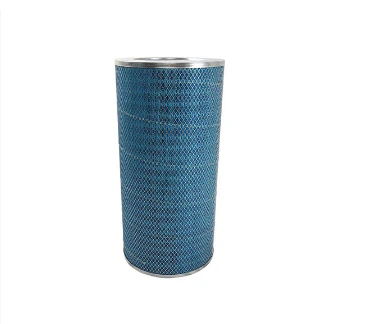
Understanding Polyester Felt: An Underappreciated Industrial Workhorse
Polyester felt might not be the flashiest material on the block, but it quietly powers a surprising array of industries worldwide. Whether you're thinking about insulation in skyscrapers, filtration in giant factories, or even cushioning in medical devices, this textile plays a vital role. Globally, the demand for polyester felt has grown steadily, paralleling industrial growth and the push for more reliable, cost-effective composites.
The benefits of understanding polyester felt stretch beyond just its industrial role; they touch on sustainability, innovation, and even humanitarian relief. In fact, how this humble material integrates into different sectors can clue us in on global manufacturing trends and evolving environmental policies.
Polyester Felt in the Global Industrial Landscape
It sounds odd at first, but textile materials like polyester felt are surprisingly important for modernization and infrastructure. According to ISO data and reports from the United Nations Industrial Development Organization (UNIDO), the technical textile segment—which includes polyester felt—is valued at several billion dollars annually and is projected to expand by 5% yearly over the next decade.
One particular challenge that polyester felt addresses is the need for affordable yet durable materials that can withstand harsh environments while remaining lightweight and easy to handle. From humid tropical factories in Southeast Asia to cold warehouses in Northern Europe, polyester felt is adapting to climate, cost pressures, and environmental regulations. It’s a kind of silent hero in global supply chains, although many may overlook it.
What Exactly Is Polyester Felt?
At its simplest, polyester felt is a fabric made by matting, condensing, and pressing polyester fibers together. Unlike woven textiles, felt doesn’t have a weave or knit pattern, which gives it unique properties like excellent insulation and filtration capabilities. Polyester felt blends robustness with flexibility, which makes it valuable for many technical uses.
Its connection to modern industry is straightforward: it’s a cost-effective substitute for natural wool felt in many applications, but with better resistance to moisture, chemicals, and temperature variations. Humanitarian efforts, too, sometimes rely on polyester felt for emergency shelter insulation or sanitary products, proving its utility transcends simple industrial use.
Core Features That Make Polyester Felt Versatile
Durability
One thing engineers often praise about polyester felt is how well it resists wear and tear. Unlike natural fibers, polyester is inherently hydrophobic, meaning it repels water. This quality helps felt maintain its shape and function despite exposure to damp or dirty conditions. For example, in automotive filter systems, polyester felt filters out dust without deteriorating quickly.
Thermal Insulation
The mat-like structure traps pockets of air, effectively insulating against temperature fluctuations. This is why you’ll find polyester felt in HVAC systems or acoustic dampening panels. Many industrial facilities save hundreds on energy costs thanks to felt insulation.
Cost Efficiency
Compared to more specialized materials like fiberglass or metal meshes, polyester felt is easier and cheaper to produce. It’s also eco-friendlier, since advances in recycling technologies enable polyester felt products to be made from post-consumer PET bottles. So it kind of balances cost, performance, and sustainability rather nicely.
Customization and Scalability
What’s unusual is how easily polyester felt can be tailored to different thicknesses, densities, and finishes. This makes it attractive across sectors — from tiny medical pads to massive industrial filter bags. Manufacturers can scale production efficiently to meet sector-specific standards and needs.
Global Applications & Use Cases
Polyester felt’s reach spans continents and industries:
- Filters: From water treatment plants in Europe to dust collection in heavy industrial zones of China, polyester felt is almost always on the front lines of air and liquid filtration.
- Construction: Especially in high-rise buildings, felt insulation helps reduce noise and heat loss, enhancing occupant comfort with minimal maintenance.
- Automotive: Engine air filters and cabin air filters frequently use polyester felt, offering durability and high mechanical strength under prolonged use.
- Humanitarian Relief: During post-disaster rebuilds in tropical and sub-arctic environments, polyester felt serves as a resilient, lightweight insulation layer within temporary shelters.
In real terms, this means felt is sort of everywhere you want durability but without complexity — a rare blend.
Product Specification Table: Typical Polyester Felt Grades
| Specification |
Standard Grade |
Heavy Duty Grade |
Recycled PET Grade |
| Thickness |
1.5 mm |
3 mm |
1.8 mm |
| Density (g/cm³) |
0.09 |
0.15 |
0.10 |
| Tensile Strength |
45 N/cm |
80 N/cm |
40 N/cm |
| Moisture Absorption |
|
|
|
| Typical Uses |
General filtration, insulation |
Heavy machinery filtration, industrial insulation |
Eco-friendly packaging, lightweight insulation |
Advantages & Long-Term Value of Polyester Felt
Think of polyester felt as blending smart engineering with practical, everyday value. The obvious plus is cost savings: it’s cheaper to source and maintain than many alternative materials. Then, you add in sustainability. Many manufacturers now emphasize recycled polyester felt grades, helping reduce environmental footprints.
Reliability is another biggie. Users consistently report that polyester felt components last longer, reducing downtime and replacement costs. For industries, this means less waste, more predictable operations, and better compliance with increasingly strict regulations on emissions and safety.
Emotionally, anyone who’s ever had to rely on robust materials during a disaster or crucial manufacturing run knows the comfort in knowing polyester felt won’t fail unexpectedly. Its innovation is less about flashiness and more about trust — you depend on it.
Emerging Trends and Innovations to Watch
Looking ahead, the big buzz is around sustainability and smart materials. Manufacturers are developing bio-based polyester felt that can biodegrade after its lifecycle, addressing long-term waste management issues. There's also growing use of nano-coatings to improve water repellency and oil resistance, making felt filters even more efficient.
Digitization plays a role too. Automated production lines can customize polyester felt for niche markets faster than ever. Integration with IoT-enabled systems means felt-based sensors in environmental monitoring are becoming a thing.
Vendor Comparison: Three Leading Polyester Felt Suppliers
| Vendor |
Product Range |
Customization Options |
Price Range |
Sustainability Focus |
| FeltWorks Inc. |
Standard & Heavy Duty Grades |
Thickness, Coatings, Color |
$$ |
Moderate - Recycling Programs |
| EcoFelt Solutions |
Recycled PET Felt Lines |
Custom Density & Size |
$$$ |
High - Bio-Based & Circular Products |
| PolyTex Global |
Wide Range Including Fire-Retardants |
Advanced Composite Integration |
$$$ |
Moderate - Energy Efficient Production |
Common Questions About Polyester Felt
1. How long does polyester felt typically last in filtration applications?
Under optimal conditions, polyester felt can last 1–3 years in industrial filtration systems depending on the environment’s contamination levels and maintenance frequency. Heavy duty grades may extend lifespan, but periodic inspection is crucial.
2. Is polyester felt environmentally friendly?
Traditional polyester felt is petroleum-based but increasingly recycled and bio-based variants reduce environmental impact. When sourced responsibly, polyester felt supports sustainability goals better than many synthetic alternatives.
3. Can polyester felt be customized for specific industrial needs?
Yes, manufacturers often tailor polyester felt by thickness, density, treatments, and coatings to suit filtration efficiency, durability, and environmental resistances unique to each sector.
4. What are the major limitations of polyester felt?
While versatile, polyester felt isn’t ideal for extremely high-temperature applications or where chemical exposure exceeds its resistance. In such cases, specialized felts or composites may be required.
5. How do I select the best polyester felt for a new project?
Understand your environmental conditions, mechanical stress, and filtration needs first. Then consult with vendors offering samples or lab evaluations to match felt properties precisely.
Wrapping It Up: Why Keep Polyester Felt on Your Radar?
Putting it simply, polyester felt quietly offers durability, affordability, and adaptability that continue to gain importance worldwide. For businesses and innovators, it represents a smart, sustainable choice that ticks a lot of boxes. And frankly, its evolving green credentials mean it's not just useful today but poised to stay relevant well into the future.
Curious to know more? Check out polyester felt options, and see how this simple fabric might just solve some knotty industrial challenges you've been facing.
References & Further Reading
- ISO – Technical Textiles Overview
- United Nations Industrial Development Organization (UNIDO)
- Wikipedia: Felt