Understanding the Role of Air Filter for Recycle in Today's World
Air filter for recycle is a term you might not hear every day, but its implications touch more people and industries than you’d imagine. Simply put, these filters are crucial components in ensuring that air contaminants are removed and that recyclable air systems function efficiently—whether in industrial setups, waste management, or even humanitarian relief efforts. Globally, as air pollution worsens and circular economy models take hold, understanding air filters used specifically for recycling purposes is becoming more than an operational detail; it’s a vital strategy for sustainability.
Why does this matter? On a planet where the World Health Organization estimates that ambient air pollution causes 4.2 million premature deaths annually, efficient air filtration isn’t just “nice to have” — it’s lifesaving. The air filter for recycle systems play a dual role: protecting human health and enabling cleaner, more sustainable industrial cycles. And frankly, the more relevant we get in conversations about climate change and environmental protection, the clearer it becomes that mastering such technologies can lead to both environmental and economic wins.
Introduction: The Global Context of Air Filter for Recycle
Around the world, industries from manufacturing to waste management are rethinking how they treat air emissions and recover resources. The United Nations’ Sustainable Development Goals pivot heavily on sustainable consumption and effective pollution controls, positioning air filtering tech for recycling as part of a net-zero future. According to the ISO standard 16890, air filtration must meet certain wellbeing criteria in buildings and workplaces—standards that are increasingly mirrored in recycling and industrial air cleaning.
Yet, there’s a challenge: many existing systems either underperform or become prohibitively expensive when scaled. The need for air filter solutions that fit into recycling frameworks—where contaminated air is purified and reused—is growing and pushing innovation.
What Is an Air Filter for Recycle?
At its core, an “air filter for recycle” is a specialized filtration device designed to clean air streams so they can be reused in industrial processes or safely released back into the environment. Unlike general-purpose air filters, these are engineered to tackle pollutants commonly found in waste recycling or recovery operations—think particulates, volatile organic compounds (VOCs), and other contaminants typical in recycling plants.
This technology connects modern industry and humanitarian needs by empowering waste management systems to reduce their environmental footprint and by improving air quality in workplaces that handle hazardous materials.
Core Components & Key Factors
1. Durability
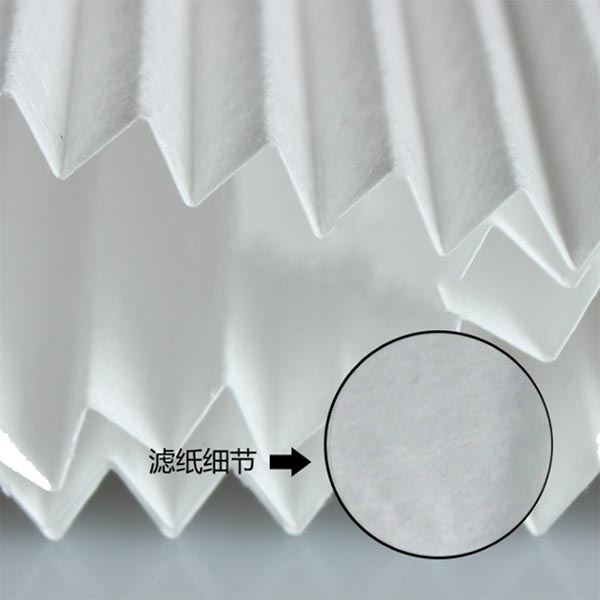
These filters must withstand harsh conditions—often exposed to abrasive particles and chemicals—yet retain performance over time. Durable materials like reinforced fiberglass or synthetic fibers are common.
2. Filtration Efficiency
Efficiency is paramount; filters typically range from capturing coarse dust (G3-G4 classification) to fine and ultrafine particles found in recycled air emissions (F7-F9 or HEPA class).
3. Cost Efficiency
It’s not just about buying a filter but balancing upfront costs with long-term maintenance. Reusable or washable filters offer practical savings where environmental and budget goals align.
4. Scalability
From small-scale workshops to large industrial plants, filters need to adapt in size and capacity without losing effectiveness.
5. Environmental Compliance
Filters must meet or exceed regulations on air quality, depending on local policies—this varies widely from continent to continent but often draws on standards like EPA or ISO norms.
Mini takeaway: When selecting air filter for recycle, consider durability, efficiency, and regulations in equal measure—skimping on one often compromises the others.
Global Applications & Use Cases
The real magic of air filter for recycle technologies happens on the ground. In post-disaster relief operations, for example, portable air filtration units regenerate breathable environments in temporary recycling centers—from shredded debris to plastic sorting. Industrially, countries like Germany and Japan lead in integrating such filters into circular manufacturing lines, turning waste gases into clean air and sometimes meeting energy recovery needs.
Even remote mining facilities in Canada use advanced filters for recycle to reduce hazardous particulate emissions while recovering valuable materials from the air streams. The healthcare industry is increasingly embracing these filters in recyclable air environments, supplying hospitals with cleaner indoor air systems optimized for viral containment.
Air Filter for Recycle: Product Specification Table
| Specification |
Description |
| Filter Media |
Reinforced fiberglass with synthetic backing |
| Particle Size Removal |
0.3 microns and above (HEPA class) |
| Air Flow Rate |
500 - 5000 m³/h depending on model |
| Operating Temperature |
-20°C to 60°C |
| Reusable |
Often washable and designed for multiple cycles |
Vendor Comparison: Air Filter for Recycle Solutions
| Vendor |
Filter Efficiency |
Price Range |
Special Features |
| FiltraTech |
HEPA H13 |
$$$ |
Self-cleaning function & IoT compatibility |
| EcoCycle Filters |
F8-F9 |
$$ |
Biodegradable filter media |
| ClearAir Systems |
MERV 14 |
$$$ |
Modular design, suitable for scaling |
Advantages & Long-Term Value
The benefits of air filters for recycling go well beyond mere functionality. For industries, improving air quality reduces worker absenteeism and healthcare costs, making the workplace safer and more dignified. Economically, many companies find that investing in these filters leads to substantial savings by enabling air reuse and reducing energy consumption. On a societal level, they contribute directly to reducing pollution and fostering innovation in green technologies.
Emotionally, when workers and local populations breathe cleaner air, it builds trust and shows commitment to well-being. Sustainability-minded investors are also keenly watching such efforts, often driving funding and innovation.
Future Trends & Innovations
Looking ahead, the future of air filter for recycle is bright—and frankly quite fascinating. We’re seeing polymers derived from agricultural waste entering filter media production, pushing both biodegradability and performance. Digital transformation introduces smart sensors that monitor filter clogging in real time, extending life cycles via predictive maintenance. Plus, automation within recycling plants increasingly integrates these filters seamlessly, supporting closed-loop green manufacturing.
Challenges & Solutions
Despite the promise, challenges remain. Filters can clog quickly when faced with high pollutant loads, raising maintenance costs and downtime. Sourcing raw materials sustainably for filter media also poses hurdles. However, innovators are tackling these with hybrid filter technologies combining electrostatic and mechanical filtration or developing new cleaning methods that do not rely on water or chemicals.
FAQ: Frequently Asked Questions About Air Filter for Recycle
- Q: How often should air filters for recycling be replaced?
A: This depends on the environment and pollutant load. Typically, filters last between 3 to 12 months, but washable designs can extend that lifespan significantly with proper maintenance.
- Q: Can these filters be customized for different industries?
A: Absolutely. Filter media and size can be adapted depending on the target pollutants, airflow volume, and operational temperature.
- Q: Are recycled air filters less effective than new ones?
A: Not necessarily. High-quality, well-maintained reusable filters can perform comparably, offering both environmental and cost benefits compared to single-use options.
- Q: How do air filters contribute to a company’s sustainability goals?
A: By enhancing recycled air quality and reducing emissions, these filters help companies reduce carbon footprints and comply with stricter environmental standards.
Conclusion & Call to Action
Understanding and implementing effective air filter for recycle technologies is more than a technical decision—it’s an investment in cleaner air, healthier lives, and sustainable industrial futures. For companies and communities alike, this means embracing innovation today to secure a lasting environmental legacy. Curious to explore tailored solutions or deepen your knowledge? Visit our website: https://www.mfiltersolution.com where we offer insights and cutting-edge filtering technologies to power your journey towards cleaner air and circular economy goals.
Oddly enough, once you start considering air filter technology as a core part of recycling infrastructure, it feels like a smart partnership between nature and industry—a vital cog in the system we almost take for granted.
References
- WHO Ambient Air Quality (2021)
- ISO 16890 Air Filters for General Ventilation
- United Nations Sustainable Development Goals