Dec . 31, 2024
Understanding AIT Filter An Essential Tool for Data Management
In the digital age, managing vast amounts of data efficiently is paramount for organizations spanning various sectors. One key technology that has gained significant traction is the AIT filter, an invaluable tool designed to streamline data processing and enhance decision-making. AIT stands for Artificial Intelligence Technology, and when we talk about AIT filters, we are referring to intelligent filtering systems that leverage AI algorithms to sift through data, refining and categorizing it in an efficient manner.
The core functionality of an AIT filter is rooted in its ability to process and analyze large datasets, usually in real-time. Traditional data filtering methods rely heavily on predefined criteria using basic algorithms. This approach can often lead to information overload, where users are presented with unnecessary data that can obscure valuable insights. In contrast, AIT filters utilize machine learning techniques to learn from historical data patterns and user interactions, thus continuously improving their filtering capabilities.
One of the notable advantages of AIT filters is their adaptability. Unlike static filters that require manual adjustments, AIT filters can evolve based on new data inputs. They can recognize patterns, and trends, and even predict future data movements. This adaptive ability is critical in environments where data is continuously generated, such as social media platforms, financial markets, and IoT applications. Businesses using AIT filters can focus on data that truly matters, thereby enhancing productivity and decision-making efficiency.
Moreover, AIT filters can significantly improve customer experiences. For instance, in e-commerce, these filters analyze customer behavior and preferences to deliver personalized recommendations. This not only helps in retaining customers but also increases sales conversions. By ensuring that users are presented with relevant information, AIT filters can create a more engaging and satisfying interface, which is essential in today’s competitive digital landscape.
In healthcare, for instance, AIT filters play a crucial role in managing patient data. They can assist healthcare providers in identifying potential health risks by filtering through medical records and predicting future health issues based on patterns found in large datasets. Early diagnosis and treatment can be made more efficient, ultimately saving lives and reducing healthcare costs.
Despite their numerous benefits, implementing AIT filters does come with challenges. For one, they require quality data for training algorithms. Poor data quality can lead to inaccurate filtering and misguided decisions. Additionally, organizations must be cautious about privacy and ethical concerns associated with data usage, as AIT filters often rely on personal information to provide tailored services.
Organizations looking to implement AIT filters must invest in proper training and development to harness the full potential of this technology. It's essential to adopt a strategic approach to integrate AIT filters into existing systems, ensuring compatibility and maximizing their effectiveness. Continuous monitoring and tweaking of the filtering parameters are also necessary to adapt to ever-changing data landscapes.
In conclusion, AIT filters represent a significant advancement in data management, offering sophisticated solutions for businesses to navigate the complexities of big data. Their ability to provide real-time filtering, adapt to new data, and enhance user experiences makes them indispensable in various applications, from e-commerce to healthcare. As organizations continue to generate and collect data at an unprecedented rate, leveraging intelligent filtering technologies like AIT filters will likely become a cornerstone of effective data strategy and operational excellence. The future of data management is here, and AIT filters stand at the forefront, ready to unlock the potential hidden within the ever-expanding oceans of information.

High-Performance Hot Melt Adhesive for Automated Production Lines


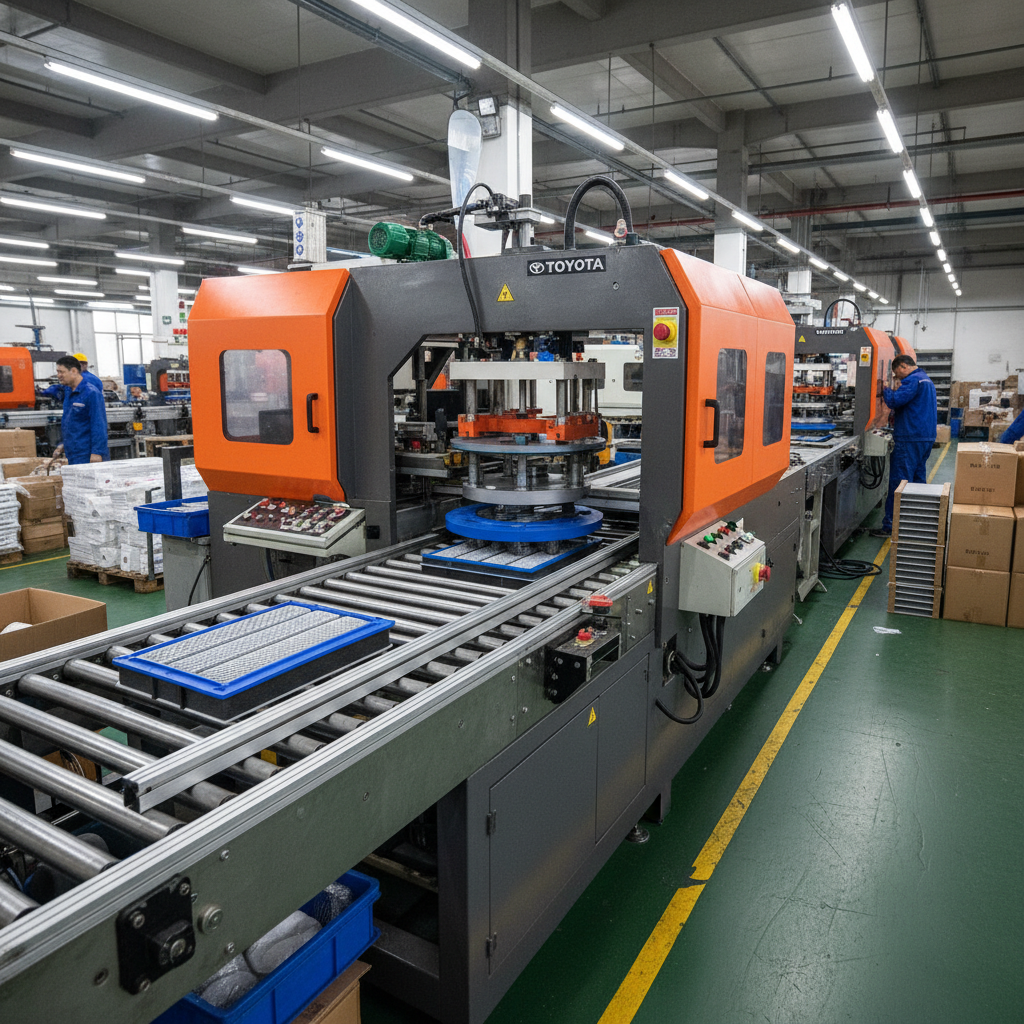
Toyota Air Filter Making Machine Solutions for Efficient Production