Dec . 16, 2024
The Importance of Coal Mining Filter Machines in Modern Mining Operations
As the demand for cleaner and more efficient mining practices continues to rise, various technological innovations have emerged to meet these needs. Among these innovations, coal mining filter machines play a crucial role in ensuring that mining operations are environmentally friendly and economically viable. This article explores the significance of coal mining filter machines, their functionalities, and their contribution to the sustainability of the mining industry.
Coal mining has historically been associated with significant environmental challenges, including air pollution, water contamination, and habitat destruction. As the industry evolves, so too do the technologies that mitigate these impacts. Filter machines, specifically designed for coal mining operations, exemplify this evolution. They serve as a crucial line of defense against the various byproducts generated during mining processes, particularly dust and excess water.
The Importance of Coal Mining Filter Machines in Modern Mining Operations
In addition to dust control, these filter machines are vital in managing water used during mining operations. The mining process often requires a significant amount of water, which can lead to wastewater that, if improperly managed, can contaminate local water sources. Coal mining filter machines are designed to treat this wastewater, removing harmful contaminants and allowing for safer discharge or reuse. This not only protects local ecosystems but also helps mining companies comply with environmental regulations.
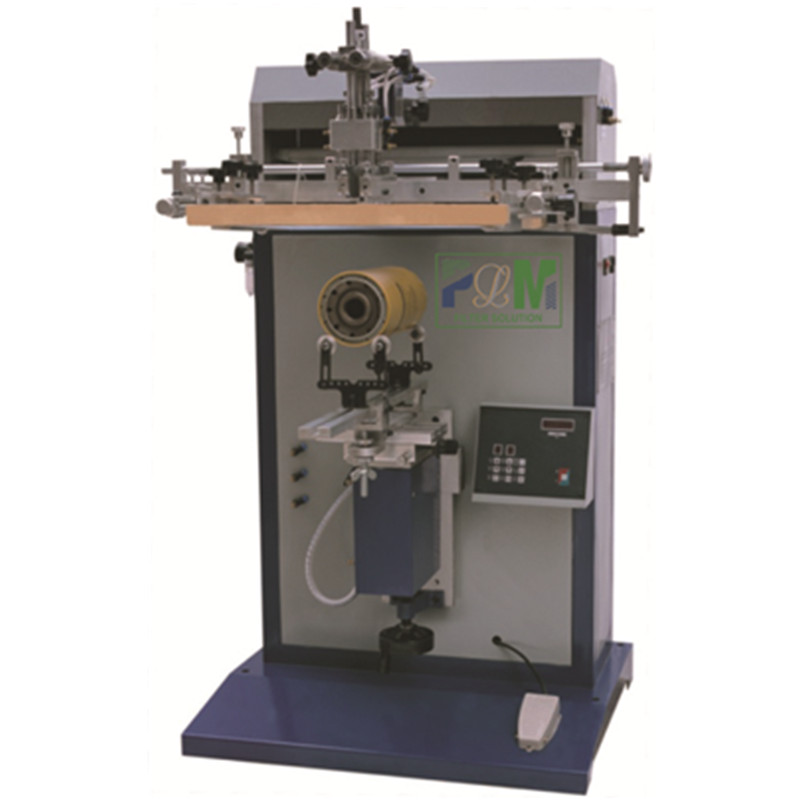
The economic benefits of implementing coal mining filter machines are also noteworthy. By reducing dust emissions and managing wastewater, mining companies can avoid potential fines and legal liabilities associated with environmental violations. Furthermore, the efficiency gains from cleaner operations lead to better productivity levels, which can enhance overall profitability. Investing in advanced filter machines may require a capital outlay; however, the long-term savings and benefits often outweigh these initial costs, making it a wise investment for many mining operations.
Technological advancements have led to the development of sophisticated coal mining filter machines equipped with automation and control systems. Modern machines can continuously monitor air quality and water purity, making real-time adjustments to filtering parameters. This smart approach not only improves operational efficiency but also ensures compliance with environmental standards, providing peace of mind for mining companies navigating today's regulatory landscape.
Moreover, the advent of new materials and technologies in filter design is significantly improving the performance and longevity of these machines. For example, some manufacturers are using advanced composite materials that enhance durability while minimizing energy consumption during operation. The move towards more sustainable materials reflects the broader industry trend of aligning mining practices with environmental considerations.
As global energy needs shift towards more sustainable sources, the role of coal in the energy mix is evolving. However, coal will likely remain a critical resource for the foreseeable future. Therefore, improving the sustainability of coal mining through technologies like filter machines is essential for reducing the environmental footprint of this energy source.
In conclusion, coal mining filter machines represent a pivotal advancement in the mining industry’s efforts to address environmental concerns while maintaining economic viability. By effectively controlling dust emissions and managing wastewater, these machines not only protect the health of workers and local communities but also safeguard natural resources. As mining companies continue to adopt innovative technologies, the implementation of coal mining filter machines will be vital in shaping a more sustainable future for the industry. Embracing these advancements is not only a regulatory necessity but also a moral obligation to ensure that our natural environment is preserved for future generations.
High-Performance Hot Melt Adhesive for Automated Production Lines
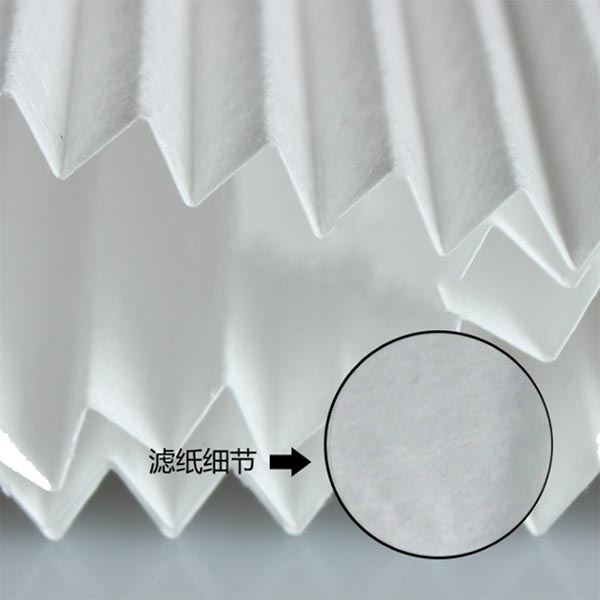
Comprehensive Guide to PP Air Filter Making Machine Technology and Applications