Why Understanding Air Filter Media Matters Globally
Air filter media might seem like a niche topic at first glance, but it plays a surprisingly huge role in our daily lives and the health of our planet. From industrial factories to hospital ventilation systems, and even in post-disaster emergency setups, the quality and type of air filter media used can literally determine the difference between pure, breathable air and contaminated atmospheres that endanger human health. Globally, with rising concerns over airborne pollutants and allergens, coupled with climate change impacting air quality unpredictably, understanding air filter media isn't just technical jargon—it's a key to safer, more sustainable environments worldwide.
Plus, if you work in industries, healthcare, or humanitarian aid, investing in the right air filter media can drastically improve outcomes and efficiency. So before you roll your eyes at “filter media” again, consider the benefits: cleaner air, protected machinery, healthier people, and yes, a happier planet.
The Global Context: Why Air Filter Media Is More Important Than Ever
The World Health Organization estimates that air pollution causes 7 million premature deaths annually worldwide. Industries emit billions of tons of particulate matter, and urban centers constantly struggle with smog and allergens. Meanwhile, the UN's Sustainable Development Goals explicitly call for cleaner air and healthier living conditions, highlighting air quality as a critical environmental factor.
Even ISO standards (like ISO 16890) have evolved to better classify and measure the performance of air filter media, encouraging manufacturers and users alike to maintain higher standards. But tackling airborne contaminants isn't as simple as installing a filter and "done." The type of air filter media you choose, its durability, efficiency, and compatibility with systems — all these influence its true effectiveness globally. In remote hospitals or inhospitable industrial zones, the challenge grows even more complex.
What Is Air Filter Media?
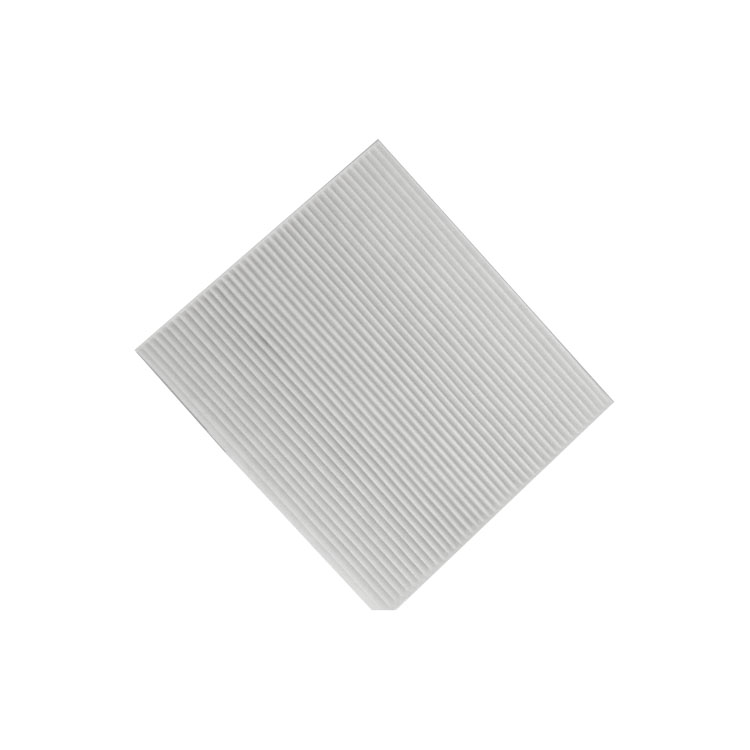
Simply put, air filter media is the material inside an air filtration system that traps airborne particles—dust, pollen, microorganisms, smoke, and more—while letting clean air pass through. It’s the “heart” of filters used in HVAC systems, cleanrooms, automotive cabins, and even mask respirators.
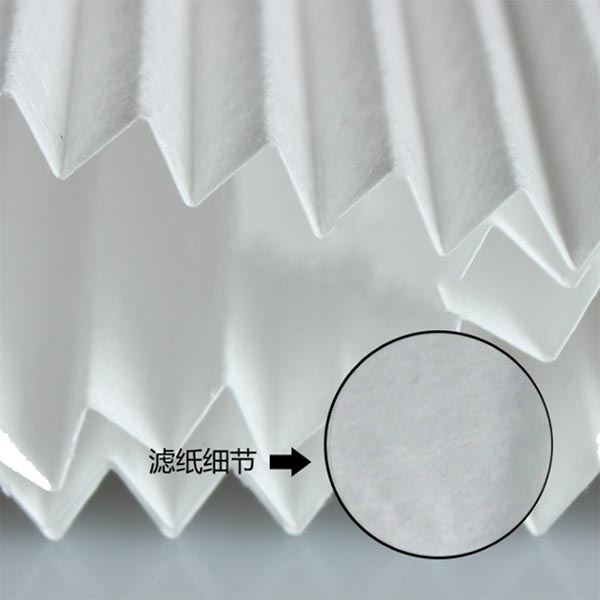
Modern air filter media includes fibers or membranes made from synthetic or natural materials, sometimes treated chemically or electrostatically, to catch microscopic pollutants effectively. Given today's increasing industrialization and urbanization, air filter media has grown essential not just for comfort, but for fundamental human health and operational continuity. Oddly enough, while we barely notice it, it quietly underpins much of modern life.
Key Factors Defining Effective Air Filter Media
1. Filtration Efficiency
This reflects how well the media can remove particles of different sizes. EPA (Efficient Particulate Air) and HEPA (High-Efficiency Particulate Air) standards are gold standards in some sectors. A filter with high efficiency greatly reduces contaminants—imagine factory workers avoiding chronic respiratory problems thanks to a good filter!
2. Durability and Lifespan
Quality air filter media lasts longer and resists clogging, moisture, and chemical degradation. This means fewer replacements and less downtime, which is critical for hospitals or industrial plants running 24/7.
3. Airflow Resistance (Pressure Drop)
Good filter media balances filtration with low resistance to airflow. Too much resistance means your ventilation system works harder, increasing energy costs and wear.
4. Cost Efficiency
While premium media may have a higher upfront price, its greater longevity and performance often translate to savings over time. Purchasing decisions must balance budget and performance needs.
5. Environmental Impact
Eco-friendly, recyclable, or biodegradable media options are gaining traction as companies and users become more sustainability conscious.
Mini takeaway:
- Air filter media must be efficient, durable, and balanced for airflow and cost.
- Its environmental impact increasingly factors into design and choice.
Global Applications & Real-World Use Cases
Industries worldwide rely on air filter media in various ways. For example:
- Healthcare Facilities: In places like Germany and Japan, ultra-fine HEPA filters protect patients during surgeries and in ICUs.
- Industrial Manufacturing: Factories in China and the U.S. use sturdy synthetic filter media to handle dust and chemical vapors.
- Emergency Relief: After disasters prone to airborne hazards (wildfires, floods), NGOs deploy air filtration units with rugged media to protect vulnerable populations.
- Residential Use: Urban areas with heavy pollution often require advanced filter media in homes to safeguard against allergens and smog.
In fact, companies involved with air filter media often customize solutions for these diverse needs, blending material science with practical deployment needs.
Mini takeaway:
- Air filter media is far from one-size-fits-all; applications shape design and material choices.
- Its global footprint spans healthcare, industry, emergency aid, and daily living.
The Advantages and Lasting Value of Quality Air Filter Media
Let’s be honest: people don’t buy air filter media for the thrill of it. They want results. Here’s why investing in robust filter media pays off:
- Human Safety: Cleaner air is healthier air—it reduces respiratory illnesses and protects vulnerable populations.
- Long-Term Cost Savings: Efficient filters last longer, reduce energy consumption, and protect expensive machinery from contamination.
- Sustainability: Environmentally safe media contribute to lowering waste and energy footprints.
- Trust & Reputation: For businesses, reliable air filtration means confidence for clients and staff alike.
Beyond dry facts, there’s a real emotional aspect—knowing you’ve done your part to keep workers, patients, or family safe. Innovation in air filter media gives us hope for better, cleaner futures.
Innovations & Emerging Trends in Air Filter Media
The future promises some neat changes. Here’s a glimpse:
- Smart Filters: Sensors embedded into filter media to monitor saturation and quality, automating replacement signals.
- Bio-based & Nanofiber Materials: More filters now use plant-based fibers or nanotechnologies to catch ultrafine particles.
- Green Certifications: More manufacturers aim for ISO 14001 and similar, proving their environmental stewardship.
- Digitally Modeled Designs: CAD and simulation tools help optimize fiber distribution for maximal efficiency with minimal airflow resistance.
Mini takeaway:
- Expect air filter media to become smarter, greener, and more scientifically tuned.
- Tech integration means safer, cost-effective, and proactive air quality management.
Common Challenges—and How Industry Tackles Them
Filters can clog, degrade under moisture, and sometimes don’t align perfectly with unpredictable contaminants. Plus, balancing cost and performance is a constant tightrope walk.
Engineers often counter by:
- Improving fiber bonding techniques to strengthen durability.
- Introducing multi-layered media to capture diverse particulates.
- Using surface treatments that repel moisture or chemical damage.
- Collaborating closely with end-users to design tailored solutions that avoid wasteful over-specs.
So yes, challenges persist, but the industry is quite proactive and evolving fast.
Product Specification Table: Typical Air Filter Media Features
| Feature |
Description |
Typical Range/Value |
| Material Type |
Synthetic fibers, cellulose, nanofibers |
Polypropylene, polyester, cellulose blends |
| Filtration Efficiency |
Ability to capture particles |
MERV 8 to HEPA 99.97% |
| Thickness |
Media depth impacting airflow |
1 mm to 20 mm |
| Pressure Drop |
Resistance to airflow (lower is better) |
100 to 300 Pa |
| Moisture Resistance |
Ability to stay effective in humid environments |
High for industrial-grade media |
Vendor Comparison: Key Manufacturers of Air Filter Media
| Vendor |
Specialty |
Innovation Highlights |
Global Reach |
| Company A |
High-efficiency HEPA filters |
Smart sensing media |
North America, EU, Asia |
| Company B |
Eco-friendly biodegradable filters |
Plant-based fiber tech |
Global with focus on Europe |
| Company C |
Industrial durability filters |
Chemical resistant coatings |
Asia and Americas |
Frequently Asked Questions About Air Filter Media
Q1: How often should air filter media be replaced in industrial settings?
Replacement frequency varies by environment and filter grade but typically ranges from 3 to 6 months. Heavier pollution or chemical exposure may require more frequent swaps. Monitoring pressure drop across the filter helps determine the right time.
Q2: Can all air filter media capture viruses and bacteria?
Not all media excel at trapping microscopic pathogens. HEPA-grade media or specialty nano-fiber filters are designed to remove bacteria and viruses effectively. Always verify efficiency ratings and certifications for infection control applications.
Q3: Is there a one-size-fits-all air filter media option?
Not really. Different environments demand unique characteristics, whether moisture resistance, durability, or particle-size filtration. It's best to consult vendors or experts to tailor filter media to your needs.
Q4: How does eco-friendly air filter media compare to traditional types?
Eco-friendly media often uses biodegradable or recycled materials that reduce landfill waste. While their filtration performance can rival traditional media, they sometimes have shorter lifespans or higher costs, though innovations are closing these gaps.
Q5: Can air filter media be cleaned and reused?
Typically, most air filter media are disposable and should not be cleaned for reuse, as washing damages fibers and reduces efficiency. Some industrial or specialty media can be cleaned under strict conditions, but consult manufacturer guidelines.
Conclusion: The Lasting Impact of Choosing the Right Air Filter Media
In sum, air filter media may be an invisible hero of indoor environments and industrial operations. Knowing what it is, why it matters, and how to optimize choices around it leads to safer air, healthier communities, and a more sustainable planet. Plus, investing in good-quality media saves money in the long run, and frankly, it's just the right thing to do.
If you want to explore reliable, cutting-edge options in air filter media, visit our website to see what’s available. Cleaner air is one smart step toward a better future.
References
- WHO - Air Pollution
- ISO 16890 Air Filter Standard
- United Nations Sustainable Development Goals - Health