Understanding Big Dust Air Filters: Why They Matter More Than Ever
If you’ve ever been near a construction site, a busy road, or a dusty factory, you know how grimy the air can get. Now, imagine trying to filter that air on a massive scale—say, across a huge factory or even a whole city block. That’s basically what big dust air filters are designed for. These industrial-grade devices play a surprisingly crucial role in cleaning the air, protecting both workers and the environment from harmful dust particles that can cause serious health and equipment problems.
Why is this subject so relevant? Broadly speaking, global air pollution results in millions of premature deaths yearly and hampers economic growth, according to data from the World Health Organization. But beyond just choking smog, dust—especially in big industrial settings—can blindside machines, degrade product quality, and endanger human health. And frankly, cleaning that dust isn’t as simple as it sounds.
Global Context: The Rising Need for Big Dust Air Filters
The World Bank estimates that over 90% of the world’s population breathes air exceeding WHO pollution guidelines. Industrial sectors like mining, cement production, and power generation contribute hugely to airborne dust. In China alone, a country heavily industrialized, dust pollution has been linked to respiratory cases numbering in the hundreds of thousands annually. The UN’s recent environmental programs stress upgrading industrial dust control as a key priority to meet sustainable development goals (SDGs).
Big dust air filters solve a blunt but critical challenge: how to efficiently capture and remove highly concentrated dust in large-scale operations without causing bottlenecks or risking breakdowns. For companies, this means meeting stricter environmental standards (think ISO 16890 for air filters) and avoiding hefty fines. For workers, it’s about breathing safer air every day.
So, what exactly are big dust air filters?
In simple terms, these are high-capacity filtration systems designed to extract particulate matter—sometimes as gritty as sand or metal shavings—from the air before it escapes a plant or facility. Usually, they handle large volumes of airflow and are built for heavy-duty, often continuous operation. They’re the workhorses behind the scenes in factories, power stations, and even large HVAC setups where controlling dust is mission-critical. Without them, machinery fails faster, and worker health takes a hit.
Key Components and What Makes Them Tick
1. Durability
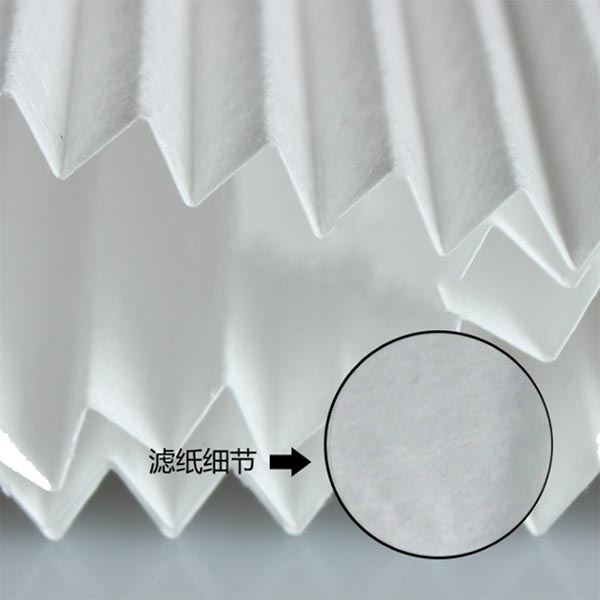
Big dust air filters endure harsh conditions. They’re typically made with reinforced materials like fiberglass or synthetic fibers that don’t break down easily, even under high temperatures or humidity. This reliability ensures consistent filtering performance over long periods.
2. Scalability
You can’t use a tiny filter for a huge factory. These filters come in modular designs, meaning companies can scale up or down depending on their air volume needs. This flexibility is vital—whether it’s a steel mill or a sprawling warehouse.
3. Cost Efficiency
Sure, they’re an investment—but the payoff comes from extending equipment life and reducing health-related absenteeism. Plus, modern filters often feature replaceable elements, allowing easy maintenance without total system downtime.
4. Filtration Efficiency
Depending on the makeup of the dust (organic, metallic, mineral), filters use different media to capture particles effectively. High-efficiency particulate air (HEPA) or ultra-low penetration air (ULPA) filters sometimes form a secondary stage, enhancing the system.
5. Energy Consumption
Maintaining airflow while capturing dust means balancing power use. Many modern big dust air filters are designed to minimize pressure drop—basically, they don’t make your fans work overtime, which cuts energy costs.
Big Dust Air Filter Product Specs
| Specification |
Typical Value |
Notes |
| Airflow Capacity |
5,000 - 20,000 m³/h |
Varies by model and industry |
| Particle Capture Size |
≥1 micron |
Depends on filter media |
| Operational Temperature |
-20°C to 85°C |
Some customized units exceed this |
| Filter Media |
Fiberglass, Synthetic fiber |
Selection based on dust type |
| Maintenance Cycle |
6-12 months |
Depends on dust load |
Applications Across the Globe
Globally, big dust air filters serve a remarkable variety of industries:
- Mining Operations: In dusty mines, filters prevent harmful dust from reaching workers and the environment.
- Cement & Construction: Huge volumes of airborne dust require robust solutions to comply with environmental codes.
- Energy Sector: Power plants, especially coal-fired ones, rely on these filters to control particulate output.
- Manufacturing Hubs: Factories in industrial hotspots like Southeast Asia and Europe implement these systems to improve air quality.
Notably, in post-disaster relief efforts where temporary manufacturing or cleanup occurs, mobile big dust air filters help maintain safer atmosphere around damaged sites. Also, industries in developing regions increasingly adopt these systems to meet international export standards.
Comparing Vendors of Big Dust Air Filters
| Vendor |
Filter Capacity |
Maintenance |
Energy Efficiency |
Support & Customization |
| DustPro Systems |
15,000 m³/h |
12 months |
High (low pressure drop) |
Custom media options |
| FilterMax Solutions |
10,000 m³/h |
6-9 months |
Medium |
Standard sizes only |
| EcoAir Filters |
20,000 m³/h |
12 months |
Very high (energy star rated) |
Highly customizable |
Advantages and Long-Term Value
Adopting big dust air filters isn’t just about ticking environmental boxes. The advantages ripple outward:
- Health & Safety: Drastically reducing dust exposure lowers risks of respiratory illnesses among workers.
- Cost Savings: Cleaner machinery means fewer breakdowns and less maintenance.
- Compliance: Meeting local and global air quality regulations avoids costly penalties.
- Sustainability: Many modern filters use recyclable materials and promote energy efficiency.
- Reputation: Companies using effective dust filtration often build trust with clients and communities.
Future Trends & Innovations
Things are moving fast in the world of air filtration. For big dust air filters, I’m seeing:
- Smart Sensors: Real-time monitoring lets operators predict when filters need servicing, improving uptime.
- Advanced Materials: Innovations like nanofiber coatings are boosting capture rates while reducing airflow resistance.
- Automation: Automated cleaning systems (think pulse-jet filters) keep filters operating longer without manual labor.
- Eco-friendly Designs: As sustainability takes center stage, manufacturers are focusing on recyclable filter media and energy-saving motors.
Challenges & Expert Solutions
It’s not all rosy. Some hurdles remain:
- High Initial Costs: Smaller enterprises might struggle with upfront investments.
- Clogging Risks: Heavy dust loads can clog filters prematurely.
- Maintenance Complexity: Finding skilled technicians, especially in remote areas, can be tricky.
Experts recommend deploying modular systems that allow staged investments, and leveraging remote diagnostics to minimize downtime. Training local staff is also becoming a standard part of service packages.
FAQ: Clearing Up Common Questions About Big Dust Air Filters
- Q: How often should big dust air filters be replaced or cleaned?
- A: Generally, the maintenance cycle ranges from 6 to 12 months depending on dust load and operational hours. However, real-time sensors are increasingly used to indicate optimal service times, preventing unnecessary replacements.
- Q: Can these filters handle moisture-heavy environments?
- A: Yes, many big dust air filters are designed with moisture-resistant media and housings to operate effectively even in humid or wet conditions, common in industries like mining or cement processing.
- Q: Are big dust air filters compatible with existing HVAC systems?
- A: Often they are modular, allowing integration into existing air handling units. However, it’s essential to assess airflow rates and space considerations to ensure compatibility.
- Q: How do I choose the right big dust air filter for my operation?
- A: Factors like dust type, volume, operational environment, and maintenance capacity should guide your choice. Consulting with manufacturers or specialists ensures an optimal fit.
Conclusion: Breathing Easy with Big Dust Air Filters
Ultimately, big dust air filters aren’t just industrial necessities—they’re vital investments in health, compliance, and operational durability. Whether your business runs a power plant, a manufacturing line, or supports humanitarian relief in dusty environments, these filters safeguard both people and equipment from the risks of airborne dust. Interested in exploring high-quality solutions? Visit our website at mfiltersolution.com to learn more.
Mini takeaway: Effective dust filtration means cleaner air, safer workers, and smarter business — a win all around.
References:
1. World Health Organization - Air Pollution
2. ISO 16890 - Air filter testing
3. World Bank Environmental Data