Understanding the Role of Filter Paper Laboratory in Modern Science
When you hear the phrase filter paper laboratory, it might not instantly evoke excitement. But think about this: across the world, laboratories rely on filter paper daily to separate particles, purify samples, and even monitor environmental pollutants. It’s a deceptively simple tool whose impact is profound—and grasping its significance helps us appreciate many key global efforts, from scientific research to clean water initiatives.
So why does filter paper really matter? In straightforward terms, it’s a cornerstone of filtration—a crucial step in numerous lab processes. Without effective filter paper, obtaining reliable analytical results or safe drinkable water would be painfully difficult. And frankly, in an era where accuracy and speed matter more than ever, understanding the evolution and applications of filter paper laboratory is essential.
Global Relevance of Filter Paper Laboratory
The global filtration market is booming. According to a World Bank report on water quality and sanitation, nearly 2 billion people lack access to safely managed drinking water. Labs deploying filter paper for water testing become frontline warriors in tackling contamination. ISO standards also govern filter paper quality to ensure uniformity and safety, making it vital for cross-border scientific cooperation.
But another challenge is evident: laboratories worldwide face a constant balancing act between high precision, cost-efficiency, and sustainability. Oddly enough, something as humble as filter paper touches every one of these dimensions.
What Is Filter Paper Laboratory? A Simple Definition
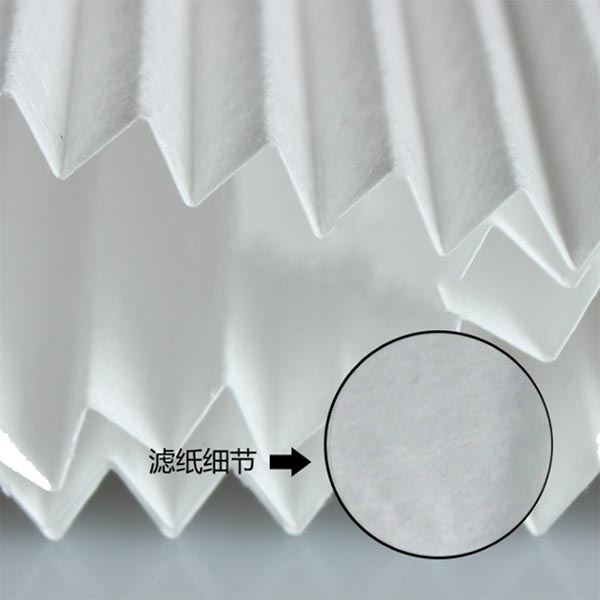
Filter paper laboratory simply refers to specially manufactured paper used in labs to separate solids from liquids or gases during filtration. Its unique pore size distribution allows it to trap particles based on size. The key? Porosity and chemical purity, ensuring it neither contaminates nor alters samples.
In modern science, these papers help in everything from qualitative analysis to complex environmental monitoring. They’re the silent partners in healthcare testing, food safety checks, and even industrial quality control.
Core Components and Factors of Filter Paper Laboratory
- Porosity and Filtration Efficiency: This determines the size of particulates filtered out. For instance, fine pore filter paper is chosen for bacteria removal.
- Chemical Purity: Laboratory filter papers must avoid imparting any chemicals that might interfere with sample results, demanding strict manufacturing protocols.
- Strength and Durability: Wet strength is crucial because a weak sheet might tear during filtration—bad news for sample integrity.
- Cost Efficiency: Labs, especially in developing regions, seek affordable yet reliable options.
- Ease of Handling: The paper needs to fit standard lab funnels and instruments effortlessly, saving time during experiments.
So, these factors combine to inform the user experience and finally, the trustworthiness of lab outcomes.
Mini Takeaway:
Choosing the right filter paper is more nuanced than it seems—factors like pore size, chemical inertness, and mechanical robustness all matter.
Global Applications and Use Cases
The use of filter paper laboratory is widespread:
- Water Quality Monitoring: NGOs in Africa and Asia often use filter papers to quickly test sources, helping mitigate waterborne diseases.
- Pharmaceuticals: During drug development and quality assurance, filter papers isolate compounds or impurities.
- Environmental Testing: Air pollution labs employ it to capture particulate matter, thanks to its fine filtration capability.
- Food Safety: Inspecting contaminants in food and beverages involves sequential filtration steps.
- Academic Research: Chemistry and biology labs worldwide depend on consistent filter paper for reliable experiments.
In fact, I’ve observed that in remote industrial regions, a simple change in filter paper quality can boost yield consistency dramatically—kind of a hidden but critical lever.
Advantages and Long-Term Value of Filter Paper Laboratory
The benefits of using high-quality laboratory filter papers extend beyond just filtration:
- Cost-Effective: Reliable filter paper avoids re-runs and costly errors.
- Sustainability: Many manufacturers now offer biodegradable options, reducing lab waste impact.
- Trust and Safety: Used in clinical labs, its accuracy directly affects patient diagnoses.
- Versatility: Applicable across sectors and scales—from compact field research to sprawling industrial labs.
On an emotional level, there’s peace of mind knowing the paper won’t compromise integrity—especially when human health is on the line.
Future Trends and Innovations
Looking ahead, innovation is buzzing around filter paper laboratory products:
- Eco-Friendly Materials: Recycling plant fibers and reducing plastic contamination.
- Smart Filter Papers: Embedded with sensors to alert users of sample impurities real-time.
- Automation Friendly: Designs adapted to robotic workflows for large lab analyses.
- Nanotechnology-Enhanced: To capture ultra-fine contaminants or viruses effectively.
These trends hint at an exciting future where filter papers are not just passive tools but active components in data collection.
Challenges and Practical Solutions
It isn’t all smooth sailing in filter paper labs: challenges often come from supply inconsistencies, counterfeit products flooding markets, and the delicate balance between performance and cost.
A frequent expert tip is rigorous testing upon receipt and maintaining close relationships with trusted vendors. Moreover, international ISO certifications can help in vetting quality. Sometimes, bespoke papers are ordered for specialized needs, although that can be pricey.
Product Specification Table: Typical Filter Paper Grades
| Grade |
Pore Size (μm) |
Description |
Typical Use |
| Qualitative 1 |
11 |
Medium porosity, general purpose |
Routine filtration, most lab tasks |
| Quantitative 42 |
2.5 |
Fine porosity, ashless |
Gravimetric analysis |
| Glass Microfiber |
0.7 |
Very fine filtration, heat resistant |
Environmental, air sampling |
Vendor Comparison: Leading Filter Paper Suppliers
| Vendor |
Product Range |
Quality Certification |
Price Range |
Key Strength |
| Millennium Filters |
Qualitative, quantitative, microfiber |
ISO 9001, ASTM |
Mid |
Consistent quality, fast delivery |
| Globex Lab Supplies |
Wide, including customized grades |
ISO 14001 |
Higher |
Eco-friendly products |
| PureLabs |
Specialized micro and nanoscale filters |
CE, FDA |
Premium |
Advanced materials and innovation |
Frequently Asked Questions About Filter Paper Laboratory
- What types of filter paper are best for water testing?
- For water testing, qualitative filter papers with medium porosity (around 10–12 microns) are commonly used. They efficiently trap particulate matter while allowing rapid filtration. However, for testing bacterial contamination, finer pore sizes or membrane filters may be necessary.
- How do laboratory filter papers differ from regular coffee filters?
- Lab filter papers are manufactured under strict standards to ensure chemical purity, consistent pore size, and mechanical strength. Coffee filters are designed for brewing and often contain additives or have uneven porosity, which is unsuitable for scientific accuracy.
- Can filter paper laboratory products be recycled or reused?
- Typically, filter papers are single-use due to contamination risk and structure weakening after use. However, some biodegradable options reduce environmental impact. Recycling is rare, so disposal must follow safety guidelines.
- Is it necessary to test filter paper quality before use?
- Ideally, yes. Sample testing can verify pore size, strength, and chemical inertness, especially when working with critical assays. Trusted vendors often provide certificates of analysis to facilitate this.
- How can labs source affordable filter paper without sacrificing quality?
- A good approach is to identify reputable suppliers offering bulk discounts or regional distribution. Balancing cost and quality is important; sometimes opting for well-known mid-tier brands provides the best value.
Conclusion
Filter paper laboratory may seem a small piece of the scientific puzzle, but it’s foundational to accurate testing, environmental safety, and human health worldwide. Its evolving technologies and role in diverse sectors underscore its enduring importance. For anyone working in a lab—or even just curious about the mechanics behind filtration—understanding this tool is both practical and enlightening.
If you want to explore more or source high-quality filter papers, I suggest checking out filter paper laboratory suppliers who combine innovation with reliability.
Mini Takeaway:
From lab benches to global water initiatives, filter paper quietly supports the integrity of scientific progress and public health.
References:
- Filter Paper - Wikipedia
- ISO Standards on Filter Media
- World Bank - Water Quality