Understanding the H13 Air Filter: Why It Matters in Today’s Air Quality Crisis
If you’ve ever looked closely at an air purifier or HVAC system specs, you might have seen the term h13 air filter pop up. But what exactly is it, why is it so important globally, and how does it fit into our everyday battle against pollution and airborne pathogens? Let me share some insights that might surprise you — this isn’t just technical jargon but a vital piece in the complex puzzle of cleaner, safer air worldwide.
Globally, poor air quality remains one of the top environmental risks to health, according to the World Health Organization. With urbanization, industrial emissions, and now a lingering pandemic, effective filtration has become a top priority. The h13 air filter plays a starring role here, offering an impressive barrier against microscopic particulates. Understanding it a bit more means knowing what’s between you and potentially harmful particles in the air you breathe, whether at home, work, or in healthcare settings.
Setting the Stage: The Global Value of H13 Air Filters
Across continents, air quality varies wildly but the challenge stays the same: how to protect vulnerable populations and sensitive environments from harmful pollutants. The European standard EN 1822 defines filters from E10 to U17, with H13 filters offering a Minimum Efficiency Reporting Value (MERV) commonly rated at 17-19 (the higher the number, the better the filtration). In real terms, an h13 air filter captures at least 99.95% of airborne particles down to 0.3 microns. That encompasses pollen, bacteria, dust mites, and even some viruses.
For example, in high-pollution cities like Delhi or Beijing, or in hospital intensive care units, the difference can be literally life-saving. According to ISO standards and a UN Environment Programme report on indoor air quality, advanced filtration levels are critical for reducing long-term health risks associated with air pollution exposure.
Yet challenges remain—filters must balance filtration efficiency with airflow resistance and cost-effectiveness. This is where h13 air filters find a sweet spot, suited for both industrial and consumer use.
What Exactly Is an H13 Air Filter?
Put simply, the h13 air filter is a type of high-efficiency particulate air (HEPA) filter conforming to strict European standards (EN 1822). Unlike lower-grade filters, it traps extremely fine particles — larger than 0.3 microns with near-perfect efficiency. That makes it much more robust than your average HVAC filter, designed to handle a broader spectrum of contaminants.
Industries from pharmaceuticals to food processing rely on these filters to maintain sterile environments. Humanitarian aid groups too — especially during pandemics or in disaster zones — deploy portable air purifiers with h13 filters to improve indoor air quality quickly and effectively.
Key Characteristics of H13 Air Filters
1. Filtration Efficiency
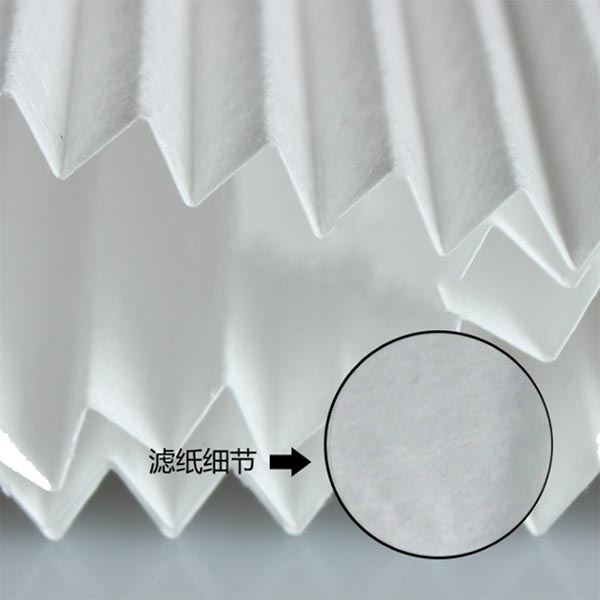
The hallmark of the h13 air filter is its ability to trap 99.95% of particles ≥0.3 microns. This is achieved through a dense web of microfibers arranged so that particles are caught by interception, impaction, and diffusion.
2. Airflow Resistance
Though dense, these filters maintain an airflow rate suitable for commercial HVAC systems and stand-alone air purifiers without overly taxing fan units. This balance is critical; otherwise, you'd have to ramp up energy consumption.
3. Durability & Maintenance
Many h13 units are designed for several months of usage before replacement, depending on conditions. The fibers resist microbial growth, a point that hospitals find particularly valuable.
4. Scalability & Size Variations
H13 filters come in sizes from compact portable units to massive industrial installations. This flexibility means you can find h13 air filters from a home purifier to a large hospital ventilation system.
5. Sustainability Considerations
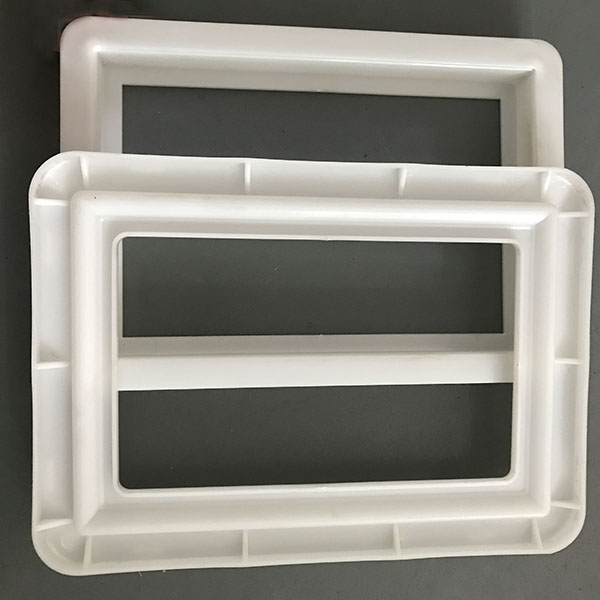
While these filters are crucial for health, disposal and material composition matter too. Innovations are beginning to focus on recyclable frames and biodegradable media, responding to environmental concerns.
Mini Takeaway: H13 filters thrive at the intersection of performance and practicality — powerful enough for demanding environments yet adaptable for everyday use.
Real-World Uses: Where Do H13 Air Filters Make the Biggest Impact?
Healthcare: From surgical theaters to isolation wards, h13 filters safeguard vulnerable patients by maintaining sterile air quality, lowering infection risks. The pandemic highlighted their importance as airborne transmission awareness grew.
Industrial Settings: Manufacturing food, pharmaceuticals, or electronics often demands controlled environments free of dust and microscopic contaminants. H13 air filters fit this bill perfectly.
Residential and Commercial Buildings: Increasingly, consumers demand better air quality in homes and offices. State-of-the-art purifiers often include h13 filters to capture allergens and airborne pollutants effectively.
Disaster Relief and Humanitarian Aid: NGOs deploying fast clean-air units in disaster zones or refugee camps rely on portable purifiers equipped with h13 filters — crucial for protecting health in compromised environments.
Interestingly, even some public transportation systems in Europe and Asia are upgrading HVAC filters to h13 grades, aiming to protect passengers in tight, enclosed spaces.
Product Specification Table: Typical H13 Air Filter Characteristics
| Specification |
Typical Value |
Notes |
| Particle Capture Efficiency |
≥ 99.95% |
For particles ≥ 0.3 microns |
| Initial Pressure Drop |
120–250 Pa |
Varies by air velocity |
| Operating Temperature Range |
-10°C to 70°C |
Standard media tolerance |
| Service Life |
3–12 months |
Depends on pollution load |
| Media Type |
Glass microfiber |
Anti-microbial treatment optional |
Choosing the Right Vendor: H13 Air Filter Providers Compared
| Feature |
Vendor A |
Vendor B |
Vendor C |
| Filter Certification |
EN 1822 H13 Certified |
EN 1822 H13 Certified + ISO 9001 |
UL Certified & H13 |
| Customization Options |
Yes – sizes & frames |
Limited |
Yes + antimicrobial media |
| Lead Time |
2-3 weeks |
1 week |
3-4 weeks |
| Price Range (per unit) |
$$ |
$$$ |
$ |
| Sustainability Initiatives |
Recyclable frames |
Energy-efficient production |
Biodegradable media pilot |
Why H13 Air Filters Are a Wise Long-Term Investment
It’s no exaggeration to say that investing in h13 filters is investing in health and reliability. Beyond the immediate benefit of cleaner air, these filters help reduce hospital visits due to respiratory complications, increase productivity in workplaces by limiting allergy triggers, and even promote peace of mind — which counts for a lot in today's anxious world.
Their durability and efficiency mean fewer replacements overall, saving money and reducing waste. And as companies push for greener and smarter buildings, h13 air filters fit neatly into sustainable design protocols and emerging green certifications. They stand as a testament to how technical innovation can lead to social good.
The Future of H13 Air Filters: What’s on the Horizon?
Interestingly, the intersection of digital tech and filtration is creating smart filters that monitor themselves. Imagine an h13 air filter equipped with sensors capable of signalling when it’s clogged or needs replacing — this reduces maintenance costs and downtime. Materials science is also advancing, with new hybrid fibers enhancing durability, and antimicrobial layers becoming standard to prevent mold buildup.
From a policy standpoint, governments worldwide are beginning to mandate higher filtration standards in public buildings — pushing the market for h13 and above filters even further. Energy efficiency improvements are expected to continue, as HVAC systems reduce power consumption alongside delivering cleaner air.
Common Challenges and Practical Solutions
Despite their obvious strengths, h13 filters aren’t perfect. They can be pricier than lower-grade filters and, if not maintained correctly, risk reduced airflow or a false sense of security. Moreover, disposal of used filters poses environmental concerns.
Experts suggest pairing h13 filters with pre-filters that capture larger particles, extending life and improving performance. As for disposal, emerging recycling programs and eco-friendly materials are a promising response to waste concerns.
FAQs: Your H13 Air Filter Questions Answered
-
Q: How often should an h13 air filter be replaced in a home air purifier?
A: Typically, every 6 to 12 months depending on usage and local air pollution levels. Heavy pollutants like wildfire smoke or dust might require more frequent changes.
-
Q: Can h13 filters protect against viruses like the flu or COVID-19?
A: While h13 filters capture particles down to 0.3 microns very efficiently, viruses sometimes cluster in droplets. Combined with ventilation and other measures, they significantly reduce airborne transmission risk.
-
Q: Are h13 filters compatible with all HVAC systems?
A: Not always. Because of their density, HVAC units must be checked for fan power and airflow compatibility before upgrading to h13 filters to avoid strain.
-
Q: How do h13 filters compare to N95 masks in filtration?
A: N95 masks filter 95% of particles ≥0.3 microns but are designed for personal respiratory protection. H13 filters are for indoor air and handle larger volumes of air much more effectively.
-
Q: Can I find customized h13 air filters for unique industrial needs?
A: Yes, many vendors provide custom sizes, frame materials, and additional treatments to suit specific industrial or laboratory requirements.
Bringing It All Together: H13 Air Filters Are Here to Stay
In a world where the quality of the air we breathe often goes unnoticed until something goes wrong, the h13 air filter quietly serves as a guardian. Its blend of efficiency, adaptability, and forward-thinking innovation ensures it’s well-positioned to meet our escalating air quality challenges. Whether you represent a hospital looking for advanced filtration or a homeowner wanting peace of mind — h13 filters provide a proven, measurable solution.
If you’re keen to explore premium options or learn how they can fit your needs, do visit https://www.mfiltersolution.com. After all, good air isn’t just a luxury; it’s the foundation of health, comfort, and productivity.
Quick Reflection
Filters might seem mundane, but getting the right grade like an h13 air filter can make a tangible difference in health outcomes and daily comfort. Along with systemic changes in pollution control and ventilation, these technical champions quietly improve life on a massive scale.
References
- World Health Organization – Ambient Air Pollution
- ISO 29463-1:2017 – High-efficiency filters and filter media
- Wikipedia – High-efficiency particulate air filter