Understanding HEPA Filter Paper: Why It Matters in Today’s World
If you’re anywhere near air filtration, cleanrooms, or even just your home air purifier, the phrase hepa filter paper likely rings a bell. What makes this material so crucial, and why are industries worldwide increasingly relying on it? At its heart, HEPA (High-Efficiency Particulate Air) filter paper isn’t just a fancy term—it's a lifesaver, literally, across healthcare, manufacturing, and environmental sectors. Understanding its benefits means cleaner air, safer workspaces, and a step toward protecting global health.
More than ever, from urban pollution challenges to hospital sterility, clean air has become a universal priority. Thankfully, this specialized paper technology is instrumental in filtering out dangerous particles, trappings of pollen to microscopic pathogens, enhancing both quality of life and operational safety worldwide.
Mini takeaway: HEPA filter paper plays a quiet but vital role globally, making air safer and environments healthier. Its reach extends from everyday lives to high-stakes industries.
The Global Context of HEPA Filter Paper
Worldwide, air pollution kills an estimated 7 million people annually according to the World Health Organization. Environmental regulations are tightening, pushing industries to adopt better filtration, while hospitals fight infection risks fiercely. Against that backdrop, grade-A filtering media like hepa filter paper are becoming indispensable.
Countries with booming manufacturing hubs—China, Germany, the US—are intensifying air quality standards, necessitating advanced filtration. Plus, the ongoing COVID-19 pandemic has spotlighted airborne disease containment, feeding urgent demand.
But it's not just about regulations. Industries face practical challenges too: balancing cost with effectiveness, ensuring filters last long enough but don’t choke airflow, and scaling solutions. This is where hepa filter paper steps in—with its blend of efficiency, reliability, and adaptability.
Mini takeaway: Rising pollution, health crises, and stricter standards globally push hepa filter advancements to the forefront, bridging gaps between safety and productivity.
Defining HEPA Filter Paper: What Exactly Is It?
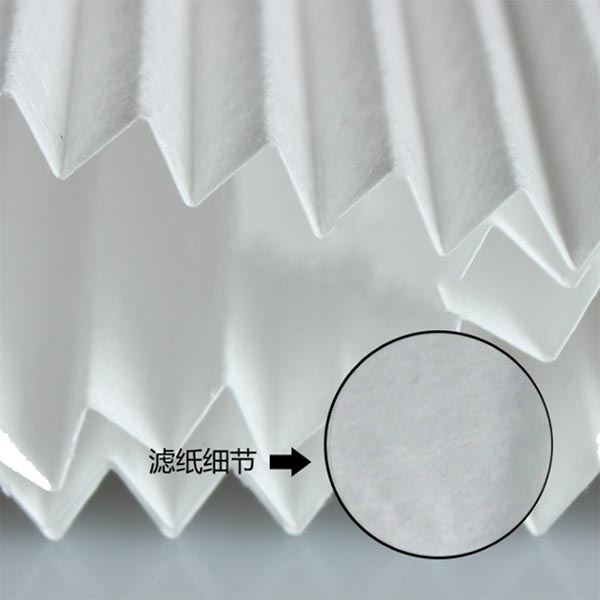
Simply put, hepa filter paper is a mat made of randomly arranged fibers that trap 99.97% of particles down to 0.3 microns in size. Think of it as a super-dense cotton candy web that catches everything tiny enough to cause trouble: dust, allergens, bacteria, and even some viruses.
Historically, HEPA filtration began during WWII for nuclear contamination control. Today, it’s everywhere—from vacuum cleaners in homes to critical air purifiers in ICUs. The paper variant allows manufacture of customized filter media sheets that combine physical durability with exceptional filtration rates.
Mini takeaway: HEPA filter paper is the unsung hero material behind high-grade air filtration, expertly balancing particle capture and airflow resistance.
Core Components of HEPA Filter Paper
1. Fiber Composition and Density
The fibers are usually made from borosilicate glass or synthetic polypropylene, selected for strength and inertness. Their diameter and density determine filtration efficiency—and oddly enough, the finer the fibers, the better the filtration, though this also impacts airflow.
2. Durability & Moisture Resistance
These papers are often treated to resist moisture and chemical degradation, which extends filter life in humid or industrial environments. This treatment makes a huge difference in places like hospitals or factories where reliability cannot be compromised.
3. Scalability and Customization
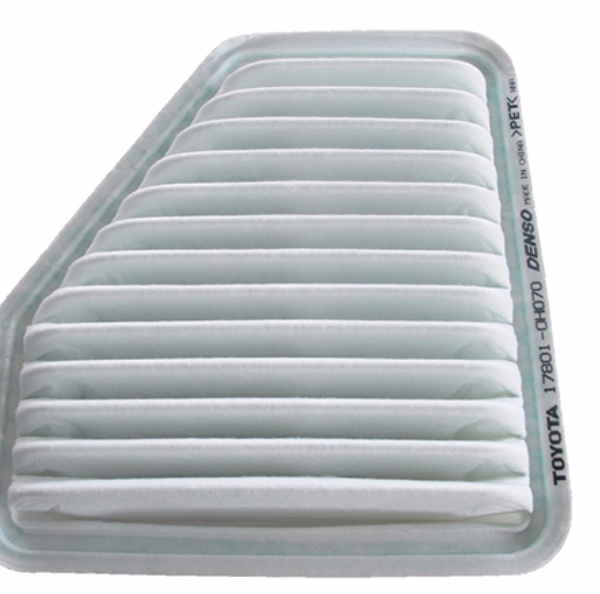
Because they are produced in sheets or rolls, hepa filter paper can be cut and pleated to fit various sizes and applications, from tiny respirators to large HVAC units. This flexibility is key to widespread adoption across many sectors.
4. Cost-Effectiveness
While high quality hepa filter paper isn’t cheap, its longevity and efficiency often result in lower overall lifecycle costs—shaving off maintenance times and preventing expensive health or contamination issues.
| Specification |
Typical Value |
Notes |
| Fiber Type |
Borosilicate Glass / Polypropylene |
Depends on application environment |
| Filtration Efficiency |
99.97% at 0.3 µm |
HEPA standard |
| Thickness |
0.2 - 0.5 mm |
Varies by design |
| Moisture Resistance |
High (chemical treated) |
Extended durability |
| Airflow Resistance |
100 - 150 Pa |
Depends on pleat density |
Mini takeaway: Fiber quality, moisture resistance, adaptability, and cost balance are at the core of effective HEPA filter paper strategy.
Global Real-World Applications & Use Cases
Industries from healthcare to electronics depend on HEPA filter paper for cleanroom environments where even a speck of dust means contamination. In hospitals, they’re embedded in air purifiers to reduce airborne pathogens and keep patients safer. Post-disaster zones also employ mobile HEPA filtration units to provide clean air amidst fires or chemical spills.
In Asia’s industrial corridors and Europe’s pharmaceutical hubs, this filter medium is often customized for heavy duty use, controlling dust and toxic emissions. And even remote mining camps rely on them to protect workers’ lungs when airborne particulates are unavoidable.
Mini takeaway: HEPA filter paper’s reach is widespread, a quiet guardian in hospitals, factories, disaster relief, and even household purifiers.
Why HEPA Filter Paper Offers Lasting Value
- Reliability: Consistent filtration means trust in health-critical places.
- Sustainability: Durable filters reduce waste and resource use over time.
- Cost-effectiveness: While upfront costs are moderate, long-life means saved replacement cycles.
- Innovation: Ongoing improvements in fiber tech make the next-gen filters even smarter and greener.
Besides the cold logic of numbers, there’s an emotional resonance. Knowing that air circulating around vulnerable patients or factory workers is cleaner, safer—it offers peace of mind. That intangible trust is just as valuable as any technical spec.
Mini takeaway: HEPA filter paper isn’t just technology—it’s safety, sustainability, and peace of mind bundled together.
What’s Next? Future Trends in HEPA Filter Paper
The filtration industry is buzzing with advancements like antimicrobial coatings that kill captured germs, and biodegradable fibers that ease environmental disposal headaches. Also, automated manufacturing lines mean consistent quality at scale, so no batch is “left behind.” AI-driven IoT devices now monitor filter status in real-time enhancing predictive maintenance.
Green initiatives promote replacing synthetic fibers with recycled or plant-based materials. International standards are evolving too, pushing new benchmarks for indoor air quality and filter testing methods that better reflect real-world pollutants.
Overcoming Challenges in HEPA Filter Paper Use
Despite its benefits, hepa filter paper faces hurdles: buildup of trapped particles raises airflow resistance, decreasing efficiency over time. Disposal can be tricky if contaminated. Cost remains a consideration for high-volume applications, especially in developing countries.
Experts recommend multi-stage filtration systems to ease the load on HEPA layers. New fiber treatments reduce clogging, and modular designs make replacements more user-friendly. Plus, government subsidies and bulk procurement can reduce costs in critical sectors.
Practical FAQ About HEPA Filter Paper
Q1: How do I know if a HEPA filter paper is genuine?
A: Genuine HEPA paper meets the 99.97% efficiency at 0.3 microns standard. Look for certifications from recognized labs (ISO or EN1822) and vendor transparency about testing data. Beware of “HEPA-type” claims which may underperform.
Q2: Can HEPA filter paper be cleaned and reused?
A: Generally no. These papers are designed for single use because washing damages their delicate fibers and structure. Reusing reduces filtration efficiency and can risk contamination.
Q3: What industries benefit most from HEPA filter paper?
A: Beyond healthcare, semiconductor manufacturing, pharmaceuticals, clean energy, and disaster response operations heavily rely on HEPA filter paper to maintain contaminant-free environments.
Q4: How is moisture resistance important in humid environments?
A: High humidity can degrade untreated HEPA paper, encouraging mold or fiber collapse. Chemical treatments or synthetic fiber blends improve durability and ensure consistent performance.
Vendor Comparison for HEPA Filter Paper
| Feature |
Vendor A |
Vendor B |
Vendor C |
| Certification |
ISO 29463 |
EN 1822 |
UL Certified |
| Fiber Material |
Glass Fiber |
Polypropylene |
Composite Blend |
| Moisture Resistance |
High |
Medium |
High |
| Price Range (per m²) |
$45 - $55 |
$30 - $40 |
$50 - $60 |
| Lead Time |
2 weeks |
1 week |
3 weeks |
Final Thoughts: Why HEPA Filter Paper Should Stay on Your Radar
In the quiet battle against airborne pollutants and microbial threats, hepa filter paper is an unsung champion. Its role spans from industrial giants to tiny residential air purifiers, bringing safer environments and healthier living. As challenges evolve—be it from new health crises or environmental policies—the faith in this filter media’s efficacy and adaptability grows.
Curious to explore how quality hepa filter paper can enhance your filters? Check out the latest from trusted suppliers or get in touch with industry experts to tailor solutions specific to your needs. After all, clean air isn’t a luxury — it’s a fundamental right.
References
- World Health Organization: Ambient Air Pollution
- Wikipedia: HEPA
- ISO 29463 - High efficiency filters