Why Pleated AC Filters Matter More Than You Think
In a world steadily waking up to both environmental challenges and indoor air quality importance, pleated AC filters have quietly become a vital piece of the puzzle. These unassuming sheets of layered fabric do more than just keep your air conditioning system clean—they directly influence health, energy efficiency, and operational costs on a global scale. Understanding their nuances isn’t just for HVAC engineers or building managers; anyone who spends time indoors benefits from paying attention to these filters.
Globally, indoor air pollution causes millions of premature deaths yearly, according to WHO. Clean air inside offices, homes, and hospitals is non-negotiable, and pleated AC filters play a key role here. Let’s take a deep breath and dig into why.
The Global Stage: Why Are Pleated AC Filters So Relevant?
The global HVAC market is booming — estimates suggest it will reach almost $280 billion by 2027 (Statista). This growth means more systems requiring effective filtration, especially in urbanizing regions like Southeast Asia and the Middle East, where dust, pollution, and allergens are on the rise.
However, there’s a catch: while air conditioning cools, it can also recirculate pollutants if filtration is poor. Pleated AC filters have addressed this concern head-on, offering better particulate containment without sacrificing airflow. The UN’s sustainable development goals indirectly touch on this too, as clean environments support wellbeing and productivity worldwide.
Yet despite their importance, many installations still rely on outdated flat filters or overlook replacement schedules, undermining air quality and system longevity. It’s a challenge with real consequences—both financially and for health.
Pleated AC Filters: What Are They Exactly?
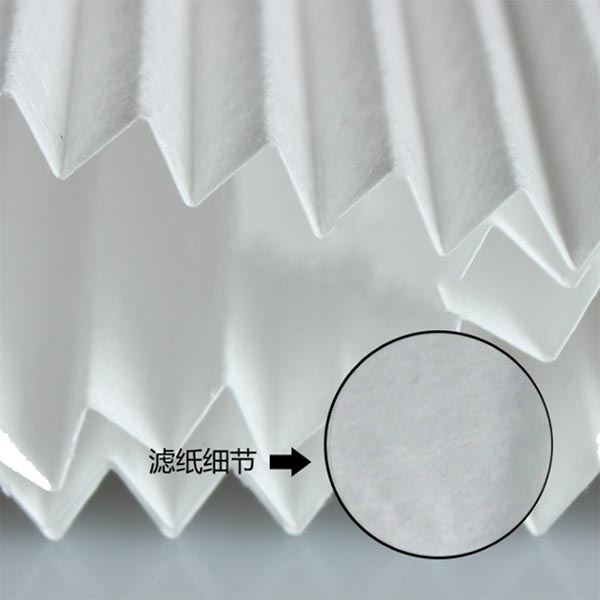
At its simplest, a pleated AC filter is exactly what the name suggests: a filter media shaped into many folds or “pleats,” creating a larger surface area in a relatively compact frame. This design traps more airborne particles — dust, pollen, mold spores — than flat-panel filters, and does so more efficiently.
These filters connect deeply with modern industry demands and humanitarian needs alike. Hospitals, schools, public transit systems, and disaster relief settings all benefit from the improved air quality pleated filters can provide. It’s kind of amazing how a well-folded piece of fabric can impact everything from allergy symptoms to machine performance.
Core Components of Pleated AC Filters
1. Filter Media Material
The filter media is usually made from polyester, cotton, or synthetic blends, often electrostatically charged to enhance particle capture. The choice of media affects durability, efficiency, and cost.
2. Pleat Count and Depth
More pleats mean a larger filter surface, which helps improve airflow and extends the time between replacements. Typically, pleats range from 12 to 24 per 12 inches, but you’ll find variations depending on the manufacturer.
3. Frame Construction
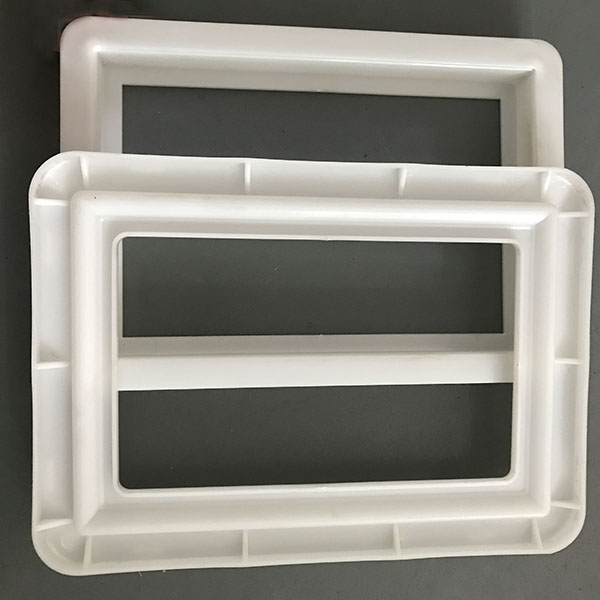
Common frames are cardboard, metal, or plastic. Cardboard is cost-effective but less durable, especially in humid or dusty environments. Metal frames tend to last longer and support structural integrity but come at a premium.
4. MERV Ratings (Minimum Efficiency Reporting Value)
The MERV rating tells you how effectively the filter captures particles of different sizes. Pleated filters usually range from MERV 8 to MERV 13, balancing filtration and airflow. Higher ratings can strain HVAC units if they're not designed for them.
5. Compatibility & Customization
Filters are often custom-sized or specified to fit unique HVAC systems, influencing performance and maintenance routines.
Mini takeaway: Pleated AC filters aren’t just one trick ponies; their design intricacies allow them to tailor to various environments and needs, while saving energy and enhancing air quality.
Where in the World Are Pleated AC Filters Making a Difference?
From dense megacities to remote outposts, their usage spans the globe:
- Healthcare facilities: Hospitals in the US and Europe use pleated filters to reduce infection risks and improve air hygiene.
- Urban offices in Asia: Protecting workers from smog and airborne toxins.
- Post-disaster zones: Relief teams in places like Puerto Rico or Indonesia use portable AC systems with pleated filters to create safe indoor environments.
- Industrial zones: In mining or manufacturing areas, filters protect equipment and personnel from dust and particulate pollution.
Interestingly, as countries develop and air quality awareness increases, more regulations push for higher-grade filtration. The ISO standards (particularly ISO 16890) are shaping how filters are tested and rated globally.
Advantages and Long-Term Value of Pleated AC Filters
Okay, so what’s in it for you? Beyond cleaner air — which frankly speaks volumes — here are several benefits:
- Cost Efficiency: Longer filter lifespans mean fewer replacements and lower labor costs.
- Energy Savings: Higher surface area means less resistance, reducing HVAC energy draws.
- Improved Health Outcomes: Removing allergens and contaminants reduces absenteeism and chronic illnesses.
- Environmental Impact: Durable materials and efficient filtering mean less waste and better sustainability.
- Peace of Mind: Knowing your indoor spaces are safer means less worry for occupants and operators alike.
Emotionally, there’s this sense of protecting your home or workplace, creating a sort of invisible shield. It’s oddly reassuring.
Product Specification Table: Typical Pleated AC Filter
| Specification |
Detail |
| Filter Media |
Electrostatically charged polyester blend |
| Pleats per 12 inches |
16–20 |
| MERV Rating |
8 to 13 |
| Frame Material |
Cardboard or Aluminum |
| Lifespan |
3 to 6 months (varies with air quality) |
| Standard Sizes |
12x12x1 to 24x24x2 inches |
Comparing Popular Vendors of Pleated AC Filters
| Vendor |
Typical MERV Range |
Frame Options |
Eco-Friendly Materials |
| FilterMaster |
8–12 |
Cardboard, Aluminum |
Yes (recycled media) |
| PureAir Filters |
11–13 |
Metal, Plastic |
Some models |
| EcoFilter Solutions |
8–10 |
Recycled cardboard only |
Yes (fully biodegradable) |
Looking Ahead: Future Trends & Innovations
The future of pleated AC filters feels bright — and more sustainable. Innovators are developing nanofiber filters that catch even finer particles without increasing airflow resistance. Smart HVAC systems now monitor filter saturation in real-time, prompting replacements that save money and reduce waste.
From a materials science perspective, biodegradable filter frames and recycled media are gaining momentum. There’s an obvious push to green the entire production and disposal cycle.
Policy-wise, as countries bulk up their air quality standards, filters will have to meet tougher certifications and adapt to automated building management systems. The intersection of digitization and filtration tech may reshape how buildings breathe.
Challenges & Solutions in Using Pleated AC Filters
Not all sunshine and roses here. Common challenges include:
- Filter clogging: High-pollution areas require frequent changes, which can be costly and labor-intensive.
- Compatibility issues: Not all HVAC systems handle high MERV filters well, risking decreased airflow or system strain.
- Waste generation: Used filters pile up, raising environmental concerns.
Experts suggest hybrid solutions: combining pleated filters with pre-filters to extend life, using IoT-based monitoring, and investing in recyclable or compostable filter designs. Basically, smart usage coupled with proactive tech fixes the weak points.
FAQ: Your Questions About Pleated AC Filters Answered
Q1: How often should pleated AC filters be replaced?
A: Generally, every 3 to 6 months is recommended, but this depends on air quality and HVAC usage. Locations with heavy dust or pollution might require monthly checks. Using smart sensors can help avoid untimely replacements.
Q2: Can pleated filters improve allergy symptoms at home?
A: Absolutely. Their higher surface area captures pollen, pet dander, and dust mites more effectively than flat filters, reducing airborne allergens significantly.
Q3: Are higher MERV ratings always better?
A: Not necessarily. While high MERV ratings capture smaller particles, they can restrict airflow in HVAC systems not designed for them. Balance efficiency with system capacity to avoid energy spikes or damage.
Q4: What’s the environmental impact of pleated AC filters?
A: Traditional filters use synthetic materials and frames contributing to landfill waste. However, newer models with recyclable and biodegradable components reduce environmental footprint. Proper disposal is key.
Q5: Can pleated AC filters be customized for unusual HVAC systems?
A: Many manufacturers offer custom sizes and configurations to fit different systems, ensuring optimal performance and sealing. Always consult specs or professionals when deviating from standard dimensions.
Wrapping Up: Breathing Life Into Your Indoor Environment
Pleated AC filters might not strike you as the most glamorous innovation — but in real terms, they quietly transform air quality across settings from cozy homes to bustling hospitals. They balance technical savvy and practical benefits, making environments safer, healthier, and more sustainable.
If indoor air quality matters to you (and, well, it probably should), do yourself a favor and consider upgrading your filtration systems today. For a range of reliable pleated AC filters and expert advice, visit our website. Because breathing easy isn’t optional.
References:
1. WHO - Indoor Air Pollution: https://www.who.int/health-topics/air-pollution
2. ISO 16890 Air Filter Testing: https://www.iso.org/standard/53294.html
3. HVAC Market Forecast - Statista: https://www.statista.com