Understanding PU Glue: Why It’s More Important Than You Think
If you’ve ever handled repairs, assembled furniture, or worked with industrial materials, there’s a good chance you’ve bumped into PU glue. But what exactly is it, and why is it showing up everywhere—from construction sites to medical device manufacturing? Well, delving into this adhesive’s world reveals how it underpins countless sectors globally, enabling stronger bonds, enhanced durability, and flexible applications. Frankly, it’s one of those subtle technologies that make big differences.
In a world striving for sustainability, innovation, and efficiency, understanding PU glue’s benefits helps industries reduce waste and improve performance. It’s more than just sticky stuff—it’s a building block of progress.
A Global Perspective: The Rising Role of PU Glue
Globally, adhesive consumption including PU adhesives is expected to top $50 billion by 2027, as reported by various market analysts. What’s driving this? The rise in manufacturing sectors across Asia-Pacific, automotive assembly in Europe, and even expanding DIY home improvements in North America. The polyurethane family to which PU glue belongs is renowned for flexibility and resistance, making it a go-to solution where traditional glues fail.
Challenges like resource scarcity, increasing demand for lightweight yet durable materials, and fast-paced industrial cycles highlight the need for adhesives that perform under tough conditions. PU glue fits the bill superbly, bridging gaps in manufacturing, packaging, and even humanitarian aid.
Mini takeaway:
- PU glue’s global demand aligns with industrial growth and sustainability efforts.
- It addresses material and application challenges across many sectors.
What is PU Glue? A Simple Definition
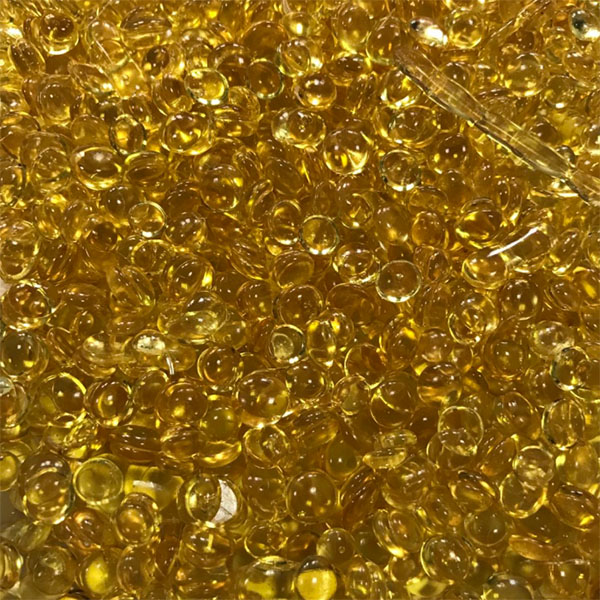
PU glue, or polyurethane adhesive, is a synthetic glue made from polyurethane polymers. These adhesives cure by reacting moisture or air, forming a strong, elastic bond. Unlike traditional glues, PU glues bond a wide range of materials including wood, metal, plastics, and textiles.
Its versatility makes it a critical material for industries ranging from automotive to footwear manufacturing—and even critical humanitarian applications like repairing quickly deployable shelters or medical equipment in remote areas.
Core components of PU glue:
- Polyurethane polymers – providing the elastic, durable backbone
- Isocyanate groups – responsible for the reactiveness during curing
- Solvents and additives – modifying viscosity, drying time, and adhesion strength
Mini takeaway:
PU glue is more chemical choreography than everyday glue—it’s designed to work flexibly and last long.
Key Features Making PU Glue a Go-To Adhesive
Durability & Elasticity
The elastic nature of polyurethane polymers means that PU glue forms bonds which can flex without cracking—essential for applications exposed to vibration or temperature changes.
Moisture Resistance
Unlike many adhesives suffering from weakening in damp environments, PU glue often cures faster in moist conditions and holds up well even underwater, making it a favorite for aerospace or marine uses.
Wide Material Compatibility
From porous wood to slick plastics and metals, its ability to glue dissimilar materials saves costs and simplifies assembly.
Fast Setting Times
In industrial settings where downtime costs are huge, PU glue’s relatively quick cure times improve throughput significantly.
Environmental Adaptability
Works in cold to hot temperature ranges, allowing for use in diverse climates—from the Arctic Circle’s chill to desert heat.
Mini takeaway:
- PU glue stands out due to resilience, versatility, and speedy bonding.
Global Applications & Use Cases of PU Glue
Where do you see PU glue in action? Quite literally everywhere.
- Automotive factories in Germany and Japan: PU glue replaces rivets and screws in interior parts, cutting weight and boosting durability.
- Footwear manufacturers in Vietnam: Sealing shoe parts with waterproof bonds.
- Furniture producers in Italy: Assembling sleek wood-plastic hybrids.
- Humanitarian aid projects: In post-disaster shelters, PU glue helps rapidly repair or assemble weatherproof units on-site, often under harsh conditions.
- Electronics assembly in South Korea: Basing components on flexible PU glue avoids fragile break points.
Mini takeaway:
Its global footprint reflects PU glue’s adaptability not only across materials but also cultural and environmental contexts.
Advantages and Long-Term Value of PU Glue
Why do manufacturers and engineers swear by polyurethane adhesives? Because of the real, measurable benefits beyond just “stickiness.”
- Cost efficiency: Reducing mechanical fasteners cuts both material and labor costs.
- Sustainability: Less waste and often more durable products mean fewer replacements (hello, circular economy).
- Safety & reliability: Elastic bonds reduce failures in critical structures.
- Innovation: Allowed engineers to explore novel materials and designs unfettered by traditional joining constraints.
Honestly, the emotional component counts too. Using PU glue can feel like a vote of confidence—trusting a product to last, to protect, to perform over years. That counts for something.
PU Glue Specifications At a Glance
| Specification |
Typical Range |
Notes |
| Open time | 5–15 minutes | Depends on moisture & temp |
| Cure time | 12 to 24 hours | Full strength in 24 hrs |
| Tensile shear strength | 3–8 MPa | Varies per substrate |
| Temperature range | -40°C to 100°C | Short term peaks higher |
| Viscosity | 1500-3500 cps | Adjustable by formulation |
Comparing Top PU Glue Vendors
| Vendor |
Product Highlights |
Typical Applications |
Price Range (USD/kg) |
| AdhesiCo | Fast cure, high bonding strength | Automotive, marine | 25–30 |
| PolyBond | Low VOC, eco-friendly formula | Packaging, footwear | 28–33 |
| StickWell | Flexible bonds, moisture cure | Furniture, construction | 22–27 |
| EcoGrip | Bio-based raw materials | Consumer products, light industry | 30–35 |
Future Trends & Innovations in PU Glue
Looking ahead, the PU glue landscape is buzzing with exciting developments. Researchers are focusing on green polyurethanes, reducing reliance on fossil-derived raw materials. The integration of nanomaterials aims to improve strength while maintaining flexibility. And with Industry 4.0 automation, dosing and curing can be precisely controlled for quality at scale.
Another trend is the rise of multi-functional adhesives with antimicrobial or self-healing properties—perfect for medical devices or wearable tech. It feels like the humble glue is turning high-tech and sustainable at once.
Challenges & Solutions
PU glue isn’t without challenges. Moisture sensitivity means storage and application conditions must be carefully managed to prevent premature curing or poor adhesion. Some formulations emit volatile organic compounds (VOCs), pushing for greener alternatives.
Innovative packaging (single cartridges), low-VOC formulations, and improved surface primers have mitigated many of these issues recently. Still, for newcomers, mastering application technique is key to avoiding weak bonds.
FAQ: Common Questions About PU Glue
1. What makes PU glue different from other adhesives?
PU glue uniquely combines elasticity with strength, allowing bonds to flex under stress without breaking. Its moisture-curing property also enables use in damp or humid conditions where other glues fail.
2. Can PU glue be used for outdoor applications?
Absolutely! PU glue is highly resistant to water, UV exposure, and temperature changes, making it perfect for outdoor furniture, marine equipment, and building facades.
3. How long does PU glue take to fully cure?
Typically, PU glue requires about 24 hours to reach full strength, though it sets enough to handle light loads within 30 minutes to an hour, depending on environment.
4. Is PU glue eco-friendly?
Traditional PU glues use petrochemical inputs, but newer formulations increasingly use bio-based ingredients and low VOCs to meet stricter environmental standards.
5. Where can I buy reliable PU glue?
Check specialized suppliers and manufacturers, including those comparing their options on sites like pu glue. Consider product certifications and vendor reputation.
Wrapping It Up: Why PU Glue Matters for the Future
PU glue isn’t just a handy adhesive; it’s a crucial enabler of innovation across industries from construction to high-tech manufacturing. It combines strength, flexibility, and durability in a way that supports today's demanding applications and tomorrow’s green ambitions.
If you haven’t explored PU glue options lately, it’s time to get familiar. For trusted products and expert guidance, visit our website and unlock adhesives designed for tomorrow’s challenges.
References
- Polyurethane - Wikipedia
- International Organization for Standardization (ISO)
- United Nations Conference on Trade and Development (UNCTAD)