Dust Filter Cloth: Why It’s More Than Just Fabric
Every day, industries across the globe battle airborne particles — dust, ash, fibers, you name it. These tiny nuisances hamper productivity, pollute the environment, and, frankly, threaten health on a massive scale. Enter the humble dust filter cloth. It isn’t flashy, but this fabric is a silent superhero, quietly capturing dust and ensuring cleaner air everywhere from factories in China to mining operations in Australia.
Understanding the role and benefits of dust filter cloths matters because air quality isn’t just about comfort; it’s linked tightly to regulations, worker safety, and even community health. With global industries growing and environmental standards tightening, knowing your filter media inside out can save money, lives, and the planet.
Global Impact and Industry Stakes
Globally, airborne particulate matter is a top environmental risk, according to the World Health Organization, contributing to millions of premature deaths annually. Industrial dust, especially fine particulates generated from manufacturing, mining, and power generation, poses ongoing challenges. The International Organization for Standardization (ISO) has set standards like ISO 16890 which dictate air filter efficiencies, pushing industries to upgrade their filtration systems regularly.
Dust filter cloths play a critical role in meeting these standards. Despite high-tech digital solutions and automation making waves in manufacturing and environmental control, it’s this textile component that typically does the heavy lifting in dust collection systems. Without it, many facilities simply couldn’t meet both environmental regulations and worker health mandates.
This is especially true in areas experiencing rapid industrialization but lacking robust infrastructure — like parts of Southeast Asia and Africa — where dust pollution can quickly spiral out of control.
What Exactly Is Dust Filter Cloth?
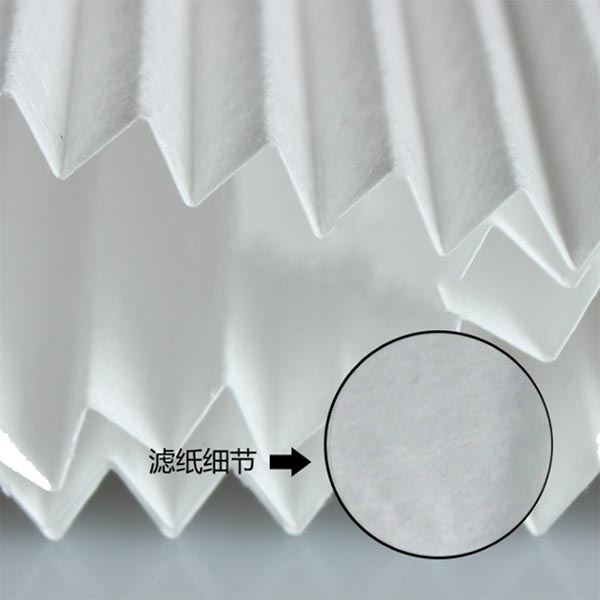
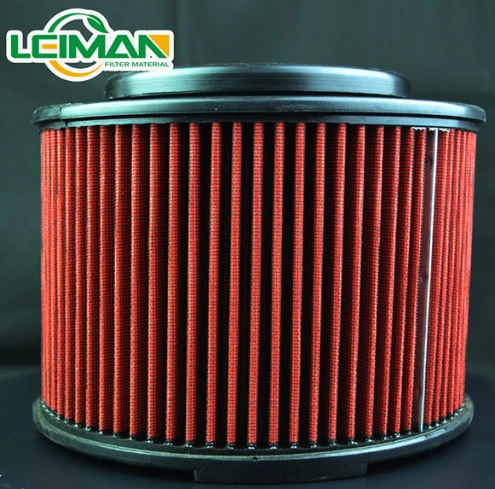
In the simplest terms, dust filter cloth is a woven or nonwoven fabric specifically engineered to capture dust particles suspended in air or gases. It’s often used as a key part of baghouse filters or cartridge filters, installed in dust collectors in industrial environments.
Think of it as a high-tech mesh with microscopic pores sized precisely to trap dust, yet allow air to flow through freely. Materials can range from polyester and polypropylene to Nomex or PTFE membranes — each chosen for its filtration efficiency, heat resistance, and chemical compatibility.
Beyond industry, dust filter cloths are increasingly relevant in humanitarian contexts: post-disaster shelters, field hospitals, or any location where clean air is essential for health but infrastructure is minimal.
Key Characteristics That Define Performance
Durability and Chemical Resistance
Many engineers I’ve talked to emphasize durability. Dust filter cloths must endure constant abrasion, temperature swings, and chemical exposure without breaking down. For example, PTFE-coated fabrics tolerate acidic fumes better than plain polyester.
Filtration Efficiency
Efficiency is usually expressed as a percentage of captured particle size, often down to 0.3 microns. A higher efficiency means cleaner release air but potentially higher pressure drop — so selecting the right cloth balances these factors depending on the application.
Air Permeability
This aspect affects energy consumption. Too dense, and machines work harder, raising operational costs. Too loose, and dust escapes. It’s a technical tightrope.
Moisture and Temperature Resistance
Applications vary widely—from cement plants with hefty heat exposure to woodworking shops where humidity is high. Some cloths are treated or layered to fit these extremes.
Cost Efficiency
While premium cloths last longer, many tell me it’s worth considering total lifetime cost, including maintenance and energy, rather than just the initial purchase price.
Mini takeaway: Selecting the right dust filter cloth boils down to durability, efficiency, cost, and environment. Knowing how these interact saves headaches down the line.
Where Dust Filter Cloths Really Matter: Global Applications
The world’s dusty industries are a diverse crew, but dust filter cloths show up reliably in some core sectors:
- Mining and Mineral Processing: From Australian outback mines to South African precious minerals, heavy dust puts equipment and health at risk.
- Cement and Construction: Dust from raw materials and demolition debris is a constant menace.
- Power Generation: Coal and biomass plants rely on high-quality filter cloths to meet emission norms.
- Metalworking and Foundries: Fine metallic dusts are hazardous and costly to let escape.
- Pharmaceutical and Food Industries: Clean rooms often use specialized dust filter fabrics for air purity.
Interestingly, dust filter cloths also assist in environmental protection efforts, like controlling urban dust pollution in heavily trafficked or construction-dense cities such as Beijing or Mumbai.
Case in point: In the aftermath of massive wildfires in California, emergency filtration units equipped with high-efficiency dust filter cloth were deployed to protect vulnerable populations from hazardous ash.
Specification Snapshot: Typical Dust Filter Cloth Features
| Property |
Description |
Typical Range |
| Material |
Polyester, Nomex, PTFE, Polypropylene |
Varies based on heat and chemical resistance |
| Temperature Tolerance |
Maximum continuous operating temperature |
120°C - 260°C |
| Filtration Efficiency |
Particle size capture capability |
>95% at 0.3 microns |
| Air Permeability |
Measured in cubic feet per minute (cfm) per sq ft |
35-100 cfm/ft² |
| Coating |
Surface treatments for repellency or protection |
PTFE, Silicone, Acrylic |
Comparing Leading Dust Filter Cloth Vendors
| Vendor |
Material Options |
Price Range (per m²) |
Lead Time |
Custom Solutions |
| ClothCo Industries |
Polyester, Nomex |
$15 - 30 |
2-4 weeks |
Moderate |
| FilterFab Ltd. |
PTFE, Polypropylene |
$25 - 45 |
1-3 weeks |
High |
| EcoFilter Solutions |
Recycled Polyester, Acrylic-coated |
$18 - 35 |
3-5 weeks |
Low |
Advantages: Why Dust Filter Cloth Stands the Test of Time
It’s tempting to think of air filtration as a pure technology game, but dust filter cloth brings something essential: physical reliability and proven design simplicity. Many plant managers swear by their cloth filters because they:
- Save costs by reducing energy consumption (thanks to optimized air permeability).
- Improve indoor and outdoor air quality, safeguarding workers and neighbors.
- Are relatively easy to install and replace, allowing for minimal downtime.
- Can be engineered for sustainability — like recycled fibers or low-impact coatings.
- Provide peace of mind in tough environments; the durable fabric resists tears and chemical damage.
On the emotional side, companies that invest in reliable dust filtration build trust with employees and communities, showing commitment to healthier environments. It’s always more than just a business decision — it’s a social value.
Emerging Trends and the Road Ahead
Looking forward, dust filter cloths are evolving alongside digital transformation and environmental awareness. Some trends include:
- Smart Fabrics: Materials embedded with sensors to monitor dust load and wear in real-time.
- Eco-Friendly Materials: Increased use of biodegradable or recycled fibers to reduce landfill waste.
- Enhanced Coatings: Innovative PTFE and nanotech coatings that repel sticky dust and moisture better than ever.
- Modular Systems: Cloths designed to integrate with automated cleaning and filter replacement systems.
Oddly enough, even as AI and robotics advance in factories, these traditional textiles remain central — just smarter and greener.
Challenges in Dust Filter Cloth Usage and How to Address Them
It’s not all smooth sailing. Some pain points professionals face include:
- Material Degradation: Over time, exposure reduces filtration efficiency. Solutions include UV-resistant coatings.
- Clogging and Pressure Drop: Excess dust buildup increases energy consumption. Regular cleaning and new fabric blends help.
- Cost vs. Performance Balance: Premium materials cost more upfront but last longer — and it can be tricky to justify.
- Supply Chain Constraints: Specialized fabrics may have long lead times. Building local partnerships helps.
For anyone sourcing dust filter cloth, working closely with vendors on custom needs and keeping abreast of innovations pays off.
Common Questions About Dust Filter Cloth
What types of dust filter cloth are best for high-temperature environments?
Nomex and PTFE-coated fabrics stand out here. They can tolerate temperatures from 200°C up to 260°C continuously. Polyester generally suits lower temperature setups (max ~120°C). Also, coatings improve heat resistance and chemical stability.
How often should dust filter cloth be replaced?
It depends on the dust load, operating conditions, and fabric type. Typically, replacement cycles range between 1 to 3 years. Regular inspections and pressure drop monitoring help determine the right timing.
Can dust filter cloths be cleaned and reused?
Yes, depending on the fabric and application. Pulse-jet cleaning systems shake or blast dust off the cloth frequently, extending lifespan. However, harsh chemicals or abrasion can limit reusability.
Are eco-friendly dust filter cloth options effective?
Increasingly so. Recycled polyester blends with advanced coatings perform competitively while reducing environmental impact. It’s wise to assess their durability and filtration ratings case by case.
Where can I buy quality dust filter cloths internationally?
Many manufacturers offer worldwide shipping, but it’s best to verify certifications and local support. Vendors like FilterFab and ClothCo Industries provide tailored solutions and logistical assistance. Also, consulting your local industry associations can guide you to trusted suppliers.
Wrapping Up: Why Dust Filter Cloth Matters Now and Tomorrow
Dust filter cloth may not be the flashiest part of industrial machinery, but it’s undeniably one of the most crucial. Balancing technical excellence, economic sense, and environmental responsibility, this fabric quietly upholds cleaner air, safer workplaces, and regulatory compliance around the world.
If your industry depends on dust filtration or you’re simply curious about optimizing your system, don’t underestimate the value of choosing the right dust filter cloth. For deeper insights and tailored product options, I recommend checking out dust filter cloth providers who combine quality with expertise.
Remember: cleaner air = healthier communities. It all starts with cloth.
References
- World Health Organization - Ambient Air Quality
- ISO 16890 Air Filter Standards
- Wikipedia: Dust Collector