Why Filter Papers Matter More Than You Think
If you’ve ever brewed coffee, filtered water, or worked with a chemistry set, you’ve indirectly bumped into what the world simply calls
filter papers. But beyond the kitchen or lab bench, filter papers play a quietly critical role in industries and humanitarian efforts worldwide. They’re a humble hero in controlling pollution, ensuring clean drinking water, and advancing scientific research. Understanding these seemingly simple tools unlocks insights into how we tackle some tough global challenges — from pollution to health crises.
In fact, the global filtration market, driven largely by demand for efficient filter materials like filter papers, was valued at over $30 billion in recent years and shows no sign of slowing down ([ISO 16890](https://www.iso.org/standard/70468.html), 2023). That’s because filter papers are pivotal for cleaner air and water, sustainable manufacturing, and viable disaster relief. This article dives into what filter papers really are, their core qualities, where they’re used, and why their future looks both challenging and promising.
---
Global Context: Why Filter Papers Are Vital
With industrialization grinding forward and populations expanding, contamination of air and water resources has become a pressing issue globally. According to the World Health Organization (WHO), approximately 2 billion people lack access to safely managed drinking water services — a staggering figure. Filter papers often form the backbone of portable and industrial filtration devices that help bridge this gap.
More so, governments and industries face mounting pressure to meet air and water quality standards. ISO’s air filtration standards (ISO 16890) and the UN’s water quality directives push for more efficient and sustainable filtering solutions. The challenge, realistically, is combining affordability with high performance — and that’s where innovations in filter papers have recently shined.
---
What Exactly Are Filter Papers?
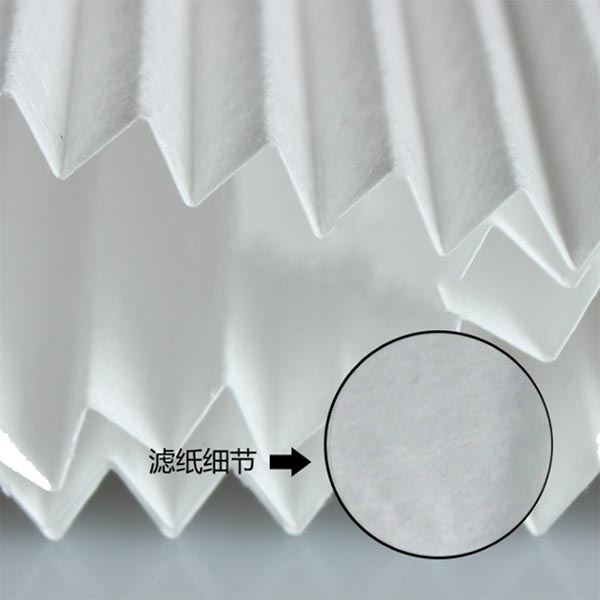
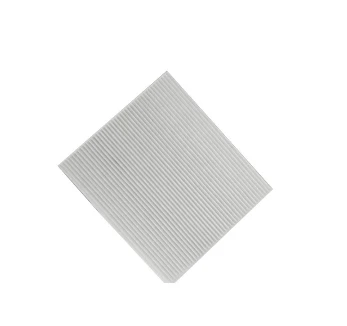
Simply put, filter papers are specially designed sheets made primarily from cellulose fibers or composite materials, textured, and treated to trap unwanted particles when fluids (usually air or liquid) pass through. Think of them as microscopic nets — but way more precise.
You’ll find filter papers in labs to separate solids from liquids or gases, but also embedded inside industrial filters for water treatment, brewing, pharmaceuticals, and respiratory protection gear. The quality and properties of filter papers make them indispensable for exactly controlling which particles get caught and which pass through.
---
Key Factors That Define Filter Papers
1. Filtration Efficiency
How well a filter paper traps particles is paramount. Lab-grade filter papers often capture particles down to microns, essential for purifying lab samples or drinking water. Meanwhile, industrial-grade papers balance efficiency with flow rate, ensuring processes don’t bottleneck.
2. Material Composition
Most filter papers are cotton linter or wood pulp-based, but newer variants embed synthetic fibers or binders to improve durability or chemical resistance. Some even include coatings that repel oil or bacteria, increasing their use in harsh conditions or medical-grade environments.
3. Thickness and Porosity
The pore size controls what particles get trapped. Thicker papers generally provide better durability but can reduce flow rate. Designers often trade off between capturing fine particles and maintaining reasonable fluid resistance.
4. Chemical and Thermal Resistance
Industrial applications may expose filter papers to solvents, acids, or elevated temperatures. Specialized papers sustain performance under such conditions without breaking down or releasing contaminants.
5. Cost Efficiency and Availability
Filter papers must remain affordable, especially in large-volume industries or humanitarian contexts. Mass-produced papers keep costs low, but custom specs raise prices — which sometimes restrict wider usage.
---
Mini Takeaway: Filter papers might seem simple, but their composition, porosity, and resistance determine their effectiveness in a vast range of applications — balancing efficiency, durability, and cost is key.
---
Global Applications of Filter Papers in Real Life
Filter papers help keep industries and communities afloat in ways often overlooked:
- Water Treatment Plants: Used worldwide, from South Asia’s rivers to urban Europe, filter papers pre-treat raw water by removing silt, pathogens, and organic debris before chemical filtration.
- Environmental Monitoring: Organizations like the UN Environment Programme use filter papers to sample airborne particulates, measuring pollution levels and enforcing regulatory compliance.
- Pharmaceutical Industry: Sterile and tightly regulated filter papers assist in purification steps of medicines and vaccines to ensure safety and efficacy.
- Food and Beverage: Breweries and juice manufacturers rely on specific filter papers for clarity and taste consistency.
- Emergency and Disaster Relief: In post-catastrophe zones, portable water filtration kits often incorporate filter papers to provide immediate safe drinking water when infrastructure fails.
In some remote industrial zones — say, mining sites in Australia or manufacturing plants in Eastern Europe — reliable filter papers ensure operations meet emission standards and reduce environmental impact.
---
Advantages and Long-Term Impact of Filter Papers
Filter papers aren’t just about trapping impurities. They represent a broader commitment to sustainability, safety, and innovation.
-
Cost-Effective Solutions: Compared to complex mechanical filters, filter papers offer inexpensive yet efficient filtration.
-
Sustainability: Many filter papers are biodegradable, reducing landfill waste and chemical pollution.
-
Reliability and Trust: Consistent performance in labs and industries builds confidence, which is critical for fields like pharmaceuticals.
-
Social Impact: Cleaner air and water improve public health and living conditions, touching millions globally.
-
On a personal note, I’ve seen how a simple change in filter paper quality can improve lab results or industrial filters — it feels like upgrading your lenses for clearer, sharper vision.
---
Filter Papers Product Specifications
| Specification |
Typical Range |
Description |
| Pore Size | 2 – 20 μm | Determines the smallest particles trapped. |
| Thickness | 180 – 350 μm | Affects durability and flow rate. |
| Material | Cotton linter, Wood pulp, Synthetic blends | Base fibers determining chemical resistance and cost. |
| Flow Rate | 40 – 120 mL/min/cm² | Speed at which liquid passes through. |
| Temperature Resistance | Up to 150°C | Applicable for thermal sterilization. |
---
Comparing Leading Filter Paper Vendors
| Vendor |
Product Range |
Customization |
Price Level |
Global Reach |
| MFilter Solutions | Lab & Industrial | High | Mid-range | Worldwide |
| PurePapers Inc. | Pharma & Food Grade | Medium | Premium | North America, Europe |
| EcoFilter Corp. | Biodegradable & Green Options | High | Competitive | Asia-Pacific, Europe |
---
Future Trends Shaping Filter Paper Technology
Looking ahead, several trends promise to reshape how filter papers help clean up our world:
-
Eco-Friendly Materials: Moving away from wood pulp to plant-based fibers and biodegradable synthetics.
-
Smart Filters: Embedding sensors in filter papers to signal when replacement is needed or note contaminant types.
-
Improved Nanofiber Layers: Enhancing microscopic filtration without sacrificing flow or adding bulk.
-
Digital Supply Chains: Automated ordering and customization processes speeding up delivery to remote areas.
-
Energy-Efficient Manufacturing: Lowering carbon footprint in production of filter papers to align with global climate goals.
---
Common Challenges — And How the Industry Is Tackling Them
While filter papers are generally effective, they face limits:
-
Durability: Breakage under extreme conditions has led to rising interest in coated or hybrid material papers.
-
Disposal Concerns: Especially for synthetic-enhanced papers, managing waste sustainably is a hot topic.
-
Scalability: Balancing demand surges during crises like pandemics or natural disasters remains tricky.
Many suppliers, including
MFilter Solutions, now focus on R&D to solve these — developing reusable filter media or biodegradable composites that still retain filtering power.
---
FAQs about Filter Papers
- Q1: What types of fluid can filter papers be used with?
- Filter papers are generally designed for both liquids and gases. Most commonly, they filter water, chemicals, or air particulates. Specific papers are optimized for certain fluids based on chemical resistance and pore size.
- Q2: Can filter papers be reused or cleaned?
- Typically, filter papers are single-use because cleaning risks contamination or damage. However, some advanced synthetic or coated papers offer limited reusability in industrial settings.
- Q3: How do I choose the right filter paper for lab experiments?
- Consider particle size you need to trap, chemical compatibility, and flow rate requirements. Consulting product datasheets or suppliers like MFilter Solutions can help with tailored advice.
- Q4: Are biodegradable filter papers effective compared to traditional ones?
- Biodegradable filter papers have improved significantly and are quite effective for many applications, although they might have a shorter lifespan under harsh chemical or thermal conditions.
- Q5: How can filter papers help in disaster relief scenarios?
- Filter papers quickly remove sediments and harmful particles from water, providing safer drinking water options in areas where infrastructure is damaged or absent — a crucial short-term aid tool.
---
Final Thoughts and Next Steps
Filter papers may not be the flashiest topic around, but their ripple effects touch health, environmental sustainability, and industrial efficiency globally. Those tiny cellulose sheets help protect us every day — silently working in labs, factories, and crisis zones alike. I find it oddly reassuring that something so simple offers such huge potential for positive impact.
If you’re intrigued and want to explore high-quality
filter papers — from lab-grade to industrial — check out MFilter Solutions’ extensive lineup. They combine tested reliability with modern innovations, which is exactly what this field needs right now.
---
References:
1. ISO 16890 Air Filters Standard, ISO.org
2. World Health Organization, Drinking Water Facts, who.int
3. United Nations Environment Programme (UNEP), Air Quality Data