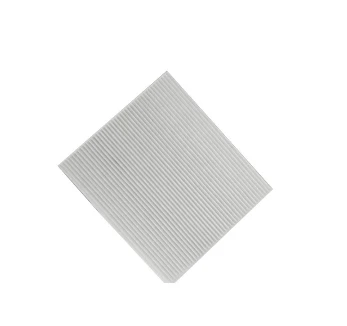
Understanding Medium Pocket Filters: What They Are and Why They Matter Globally
If you’ve ever walked into a large commercial building, hospital, or industrial facility, chances are you’ve encountered the silent workhorse known as the medium pocket filter. These specialized air filters quietly help keep the air clean, reduce pollutants, and ensure healthy indoor environments. You might not immediately notice them, but their impact in improving air quality—not only in small offices but on a worldwide scale—is profound. Understanding their role is key, especially as air pollution and indoor air quality become significant global health concerns.
Medium pocket filters are integral to HVAC (heating, ventilation, and air conditioning) systems across many industries. Their design helps trap medium-sized airborne particles, bridging the gap between coarse filters that catch large dust and fine filters designed for microscopic contaminants. Given that air pollution causes millions of premature deaths annually, the demand for effective filtration systems like these is expected to continue growing.[1]
Mini Takeaway: Medium pocket filters are a crucial middle-ground solution in air filtration, balancing efficiency and practicality to safeguard indoor air worldwide.
Medium Pocket Filter: A Globally Relevant Solution
Globally, standards related to air quality like those from ISO or local national environmental agencies emphasize filtration at multiple stages to reduce exposure to harmful particles. It's odd how often these filters go unnoticed, yet they help tackle challenges—like urban smog, industrial emissions, and even airborne biological contaminants—that affect billions.
Specifically, the medium pocket filter caters well to commercial and industrial buildings where air must be purified but with operational cost consciousness. According to market reports, the global air filter market is expected to grow at an impressive CAGR of over 6% through 2030, driven by health regulations and green building trends.[2] Without these filters, HVAC systems would struggle to filter out particles that can cause damage to internal components and compromise occupant health.
What Is a Medium Pocket Filter?
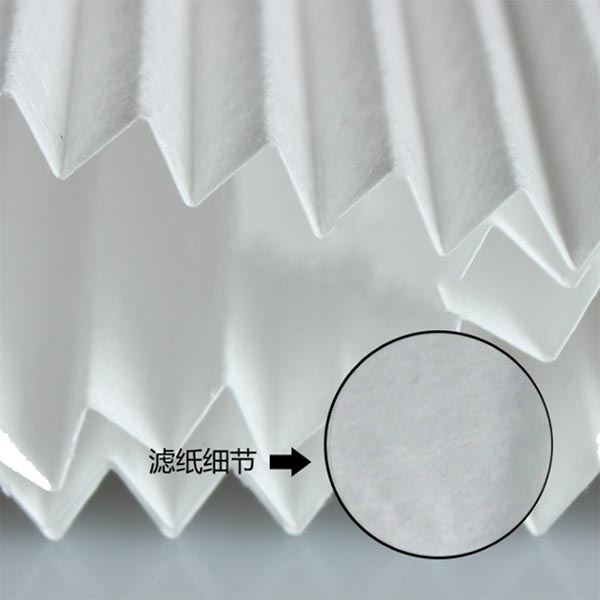
In simple terms, think of a medium pocket filter as a bag-like air filter designed to capture medium-sized particles from the air passing through the ventilation system. The "pockets" refer to multiple fabric compartments stitched together, increasing surface area and allowing high airflow with minimal resistance.
They’re not just industrial gear; they’re part of a broader humanitarian mission as well. In hospitals or disaster relief housing, for example, maintaining clean air is critical to protect vulnerable populations. These filters strike a sensible balance—they’re more efficient than basic panel filters but not as costly or high-maintenance as HEPA filters.
Core Features and Design Elements
- Durability: Made with synthetic or glass fiber media, these filters withstand varying humidity levels and airflow velocities without degrading quickly.
- Scalability: Modular pocket sizes and counts allow manufacturers or engineers to customize them for diverse HVAC system sizes.
- Cost Efficiency: Offers a good lifespan (6–12 months under standard HVAC use) at a cost-effective price point, offering a sustainable solution for ongoing operations.
- Airflow & Pressure Drop: Designed to balance trapping efficiency with low pressure drop to minimize energy consumption.
- Environmental Impact: Many modern versions focus on recyclable or more eco-friendly materials to meet increasing sustainability demands.
- Certification & Standards Compliance: They conform to industry standards, e.g., EN779 (now ISO 16890), to guarantee performance.
Each of these aspects directly affects real-world performance. For example, low pressure drop means less strain on HVAC fans, lowering energy bills—a practical benefit often overlooked until you receive the utility bill.
Medium Pocket Filter Specifications at a Glance
| Specification |
Typical Value |
| Efficiency (EN779 / ISO 16890) |
M6–F7 (about 50–80% @ 0.4 µm particle size) |
| Airflow Capacity |
500–2000 m³/h per unit |
| Initial Pressure Drop |
≤ 80 Pa |
| Operating Temperature |
Up to 70°C |
| Recommended Service Life |
6–12 months |
How Medium Pocket Filters Are Used Worldwide
Medium pocket filters pop up in all sorts of industries and locations — from sprawling manufacturing plants in Asia to hospitals in Europe, and even in eco-conscious office buildings in North America. It’s fascinating how the simple principle of increasing surface area with those pockets translates into meaningful health outcomes globally.
- Healthcare Facilities: Hospitals use them as part of multi-stage filtration to reduce infection risks.
- Commercial Buildings: Office towers and malls rely on these filters to improve occupant comfort and comply with building codes.
- Industrial & Manufacturing: Factories with dust, paint, or chemical particulates benefit from the durability and capacity of these filters.
- Relief & Humanitarian Projects: In post-disaster shelters and clinics, they help maintain cleaner air when outdoor air quality is poor.
- Public Transit: Trains and underground stations often integrate medium pocket filters for air recirculation systems.
For example, after the 2010 earthquake in Haiti, portable medical facilities were equipped with filtration systems including medium pocket filters to combat airborne microbes and dust brought on by rubble and open-air hospitals.[3]
Mini Takeaway: Medium pocket filters play a quiet but essential role across varied sectors, maintaining air quality where it matters most.
The Tangible Benefits & Longer-Term Value
Given their efficiency and cost, medium pocket filters are often the sweet spot—providing enough filtration to protect health without the excessive cost or maintenance headaches of finer filters. They reduce HVAC wear and tear and energy bills, plus enhance workplace productivity by improving indoor air quality.
But beyond numbers, there’s a deeper human side here—clean air translates to fewer respiratory illnesses, greater occupant dignity, and even less absenteeism. In evolving green building practices, medium pocket filters often align with sustainability goals, especially when paired with recyclable materials and responsible disposal methods.
Comparing Popular Medium Pocket Filters on the Market
| Feature |
Brand A |
Brand B |
Brand C |
| Efficiency (MERV Rating) |
M6 (50%) |
F7 (70%) |
F7+ (75%) |
| Lifespan |
8 months |
6–9 months |
10 months |
| Material |
Glass fiber |
Synthetic fiber |
Recycled synthetic |
| Price Range (per unit) |
$25–$30 |
$28–$35 |
$30–$40 |
Future Innovations & Trends
Looking ahead, the world of medium pocket filters is steadily evolving. Manufacturers are exploring nanofiber-enhanced media to improve filtration without compromising airflow. Integration with digital sensors to monitor filter loading and automatic alerts is becoming not just possible but practical, helping facility managers optimize maintenance schedules.
Meanwhile, environmental regulations are pushing for filters with lower carbon footprints. Some companies are pioneering biodegradable frame materials and recyclable filter media to reduce landfill waste—a big plus for the conscientious buyer.
Common Challenges and How They’re Being Tackled
It’s not all smooth sailing. You know, maintaining consistent filter performance across diverse environments—humid tropical climates vs. dry cold zones—is a tricky balancing act. Sometimes filters clog too quickly or get damaged prematurely by coarse debris.
Innovations like protective pre-filters, improved synthetic fibers, and better sealing methods are addressing these challenges head-on. Also, ongoing research into air quality standards helps ensure medium pocket filters remain effective as pollutants evolve.
FAQ: Frequently Asked Questions About Medium Pocket Filters
- Q: What particle sizes do medium pocket filters typically capture?
A: Medium pocket filters usually capture particles from about 1 to 10 microns, covering things like pollen, dust mites, mold spores, and some bacteria. They aren’t as fine as HEPA filters but effectively protect HVAC components and general indoor air quality.
- Q: How often should these filters be changed?
A: Generally, every 6 to 12 months depending on usage and air pollution levels. High-pollution environments or industries with heavy dust may require more frequent replacement to maintain efficiency and airflow.
- Q: Can I clean and reuse a medium pocket filter?
A: Most medium pocket filters are designed for single use and should be replaced rather than cleaned. Attempting to wash them can damage the filter media and reduce effectiveness.
- Q: How do I select the right size for my HVAC system?
A: Consider airflow requirements and system dimensions. Filter providers often supply charts or custom design tools. Consulting an HVAC professional is also recommended.
- Q: Are these filters eco-friendly?
A: Traditional models are not typically recyclable, but newer versions focus on using recyclable frames and biodegradable media. Always check with manufacturers for environmental certifications.
Conclusion & Call to Action
So, the humble medium pocket filter might seem like a small cog in a vast machine, but in real terms, it’s an essential frontline defense for better air quality worldwide. Their balance of efficiency, cost, and durability helps industries and communities breathe a little easier every day. If you want to explore more about these filters or find the best solutions tailored for your needs, why not visit our website and dive deeper?
After all, clean air is not just a convenience—it’s a vital right worth investing in.
Quick reflections: I noticed medium pocket filters walked a fine line between performance and price, making them ubiquitous but underrated. Staying updated with innovations will be key as air quality challenges grow. For lasting indoor health, these filters matter now—and soon even more.
- WHO Ambient Air Quality and Health
- MarketsandMarkets: Air Filter Market Analysis
- 2010 Haiti Earthquake - Wikipedia