Plain Filter Paper: The Unseen Backbone of Filtration Worldwide
At first glance, plain filter paper might seem rather ordinary, something tucked away in a lab or in a dusty industrial cabinet. Yet, it quietly plays a pivotal role globally in everything from clean water provision to pharmaceutical quality control. Understanding the humble plain filter paper isn’t just academic; it’s essential for industries and humanitarian organizations aiming to provide safe, clean solutions efficiently. This simple, yet powerful medium filters impurities and enables countless processes, making it a surprisingly global player in environmental health, manufacturing, and beyond.
Why the World Relies on Plain Filter Paper
Globally, the demand for filtration solutions is exploding. According to the United Nations, over 2 billion people lack access to safely managed drinking water. Enter the unassuming plain filter paper — a low-cost, effective tool to filter particulates and contaminants out of liquids and gases. Industries worldwide, ranging from wastewater treatment plants in Europe to coffee producers in South America, depend on these sheets for quality assurance and process control.
Filtration challenges, like increasing pollution, scarcity of clean water, and burgeoning pharmaceutical demands, have positioned plain filter paper at the frontlines of innovation. Its ability to adapt to diverse scenarios — from forensic labs to remote disaster relief field stations — underlines its timeless utility.
What Is Plain Filter Paper, Exactly?
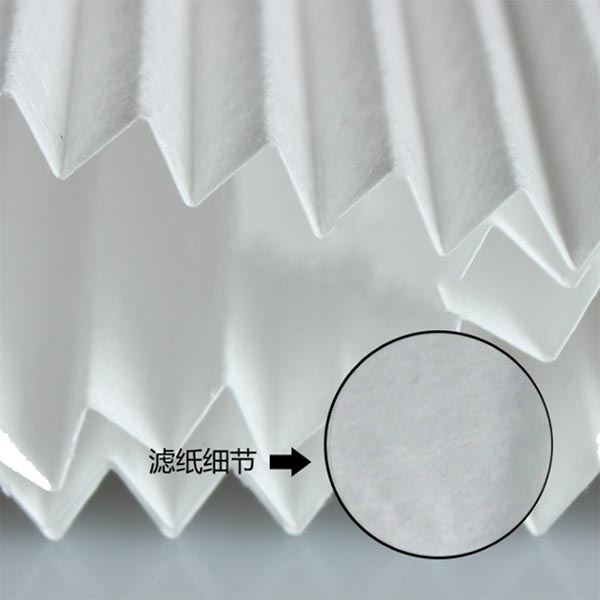
Simply put, plain filter paper is a specially manufactured paper with controlled porosity designed to separate particles from liquids or gases. Unlike specialized filter papers that might trap oils or require chemical inertness, plain filter papers are versatile, cost-effective, and widely available. They’re usually made from cellulose fibers, pressed and processed to yield a consistent matrix.
In context, think of it as the basic workhorse of any filtration task: easy to use, disposable, and classic. Humanitarian workers, for instance, use it in water purification kits, supporting health and safety in crisis zones. Meanwhile, industrial labs deploy it daily for rapid testing — it’s the unsung hero behind many quality-control readings.
Core Characteristics That Make Plain Filter Paper So Useful
1. Porosity and Particle Retention
One of the most critical factors is its pore size, which determines the size of particles filtered. Plain filter paper typically offers particles retention in the range of 2–25 microns, depending on its grade. This makes it suitable for diverse filtration tasks, from coarse to moderately fine.
2. Absorbency
Due to its cellulose composition, plain filter paper absorbs liquids efficiently yet maintains structural integrity. This is surprisingly crucial, as a filter must not break down mid-process or allow bypass around tears.
3. Cost-Effectiveness
Compared to synthetic or advanced membrane filters, plain filter paper is incredibly affordable — a major plus especially for large-scale or repeated use scenarios.
4. Compatibility
It works well with many solvents and aqueous solutions, though it’s less suited for acidic or highly basic chemicals. In routine lab or industrial uses, this compatibility makes it a staple.
5. Environmental Impact
Unlike many synthetic filters, plain filter paper is biodegradable and energy-light to produce. This aligns well with green initiatives aiming to reduce environmental loads across supply chains.
Mini takeaway: Porosity, absorbency, and affordability make plain filter paper indispensable, especially when environmental friendliness is a consideration.
Where Plain Filter Paper Makes a Difference Around the World
Its reach is far more extensive than you might imagine.
- Water treatment plants: Many facilities use filter paper to pre-filter water samples, detecting suspended solids and sediment.
- Pharmaceutical labs: Quality control processes depend on precise filtration to ensure purity.
- Food and beverage industry: From clarifying fruit juices to filtering coffee grounds, plain filter paper keeps products consistent.
- Disaster relief operations: NGOs deploy filter paper-based kits to purify water in affected regions quickly.
- Research and education: Universities and schools globally use these as standard filtration media in labs.
For instance, in remote parts of sub-Saharan Africa, humanitarian organizations have reported that simple filter paper in water testing kits leads to faster detection of contaminants — in turn enabling quicker, targeted interventions.
Plain Filter Paper Specification Table
| Specification |
Typical Range / Grade |
Description |
| Pore Size |
2–25 microns |
Controls particle retention capability |
| Thickness |
~0.15-0.25 mm |
Affects flow rate and handling |
| Burst Strength |
30-50 kPa |
Measures mechanical durability when wet |
| Absorbency |
40-60 sec (water drop test) |
Capacity to uptake and hold liquids |
| Material |
Cellulose (natural fibers) |
Renewable and biodegradable |
Choosing Your Supplier: A Quick Vendor Comparison
| Supplier |
Product Range |
Lead Time |
Sustainability |
Price Level |
| MFilter Solutions |
Wide, custom grades |
3-5 days |
High (eco-friendly fibers) |
Mid-range |
| Global Filters Corp |
Standard industrial grades |
1-2 weeks |
Medium (recycled content) |
Higher |
| EcoFilter Ltd. |
Niche organic paper |
2-4 weeks |
Very High (organic-based) |
Premium |
The Long Game: Why Plain Filter Paper Still Wins
Plain filter paper’s strengths go beyond the specs and price tags — it offers reliability, ease of use, and peace of mind. There’s something comforting about a product that’s biodegradable and doesn’t add burdensome waste streams, especially in today’s eco-aware world.
Industries value it because it makes safety checks practical and scalable, while humanitarian groups appreciate how fast and simple it can make critical water tests, protecting communities. On a more human note, it assures dignity and health, quietly supporting innovations and safety standards worldwide.
The Road Ahead: Innovations and Trends
Oddly enough, despite being “plain,” filter paper isn’t standing still. Advances focus on blending traditional cellulose with nanomaterials or biodegradable polymers to create hybrid papers with finer filtration or even antimicrobial properties. The digital age even sees sensors embedded in filters for real-time monitoring beyond the naked eye, improving quality control.
Green manufacturing processes are also gaining momentum; sourcing raw fibers sustainably, reducing chemical treatments, and improving recyclability. The goal? A filter medium that’s kind to the environment while meeting stricter industrial and humanitarian demands.
Overcoming the Filter Paper Hurdles
One limitation of classic plain filter paper is chemical resistance. It struggles with strong acids or solvents, which can limit its use in some industries. Some specialists suggest hybrid papers or synthetic membranes in high-acid scenarios, but these come at a cost, both financially and environmentally.
Moisture sensitivity is another challenge. Although many grades offer decent wet strength, prolonged exposure can cause breakdown or increased filtration times — critical for labs requiring precise results. Some solutions involve lamination or coating, but then biodegradability may be reduced.
FAQ About Plain Filter Paper
Q: What differentiates plain filter paper from other types?
A: Plain filter paper typically features standard cellulose fibers without specialty treatments. This contrasts with oil-resistant or ash-free variants designed for particular applications. Plain versions balance cost and performance, making them versatile for general filtration tasks.
Q: Can plain filter paper be reused?
A: Generally, no. Plain filter paper is intended for one-time use to avoid cross-contamination or clogging. Its biodegradability means it breaks down relatively fast, which ironically makes reuse impractical in most lab or industrial workflows.
Q: How do I choose the right grade of filter paper for my process?
A: Consider the particle size you need to filter out, liquid type, and flow rate. For coarse filtration, papers with larger pore sizes (20–25 microns) work well, while finer filtration demands lower micron grades. Always check manufacturer specifications to match your needs precisely.
Q: Are there environmental concerns with using plain filter paper?
A: On the contrary, their cellulose base is renewable and biodegradable. However, large-scale disposal should still respect local regulations. Choosing eco-certified papers further reduces environmental footprints.
Q: Where can I buy high-quality plain filter paper?
A: For dependable supplies, vendors like MFilter Solutions offer a wide range of grades, fast shipping, and strong sustainability credentials. It’s always wise to compare specs and delivery times to suit your project timeline.
Wrapping It Up: Why Plain Filter Paper Matters
Beyond its simplicity, plain filter paper is a quietly powerful ally in addressing the practical filtration challenges the world faces — whether in a high-tech pharmaceutical plant in Germany or a water-testing kit in a flood-stricken village in India. It blends cost-effectiveness, environmental friendliness, and practical performance in a way few other materials can match.
If you’re looking to streamline your filtration needs while staying green and reliable, exploring the range of quality plain filter paper options might be the next best step. Who knew something so “plain” could offer so much?
References:
1. Wikipedia: Filter Paper
2. UN Water Facts
3. ISO 4049-1:2016 Paper Filters