Why Filter Rolls Media Matters in Our Modern World
At first glance, filter rolls media might sound like a niche technical term that only industrial engineers care about. But if you take a minute to consider the sheer quantity of air and water filtered around the globe every day — in factories, hospitals, homes, and disaster zones — it suddenly becomes clear just how critical this material really is. These filter rolls are the unsung heroes of clean air, clean water, and safer workplaces, quietly working to trap dust, toxins, and impurities.
With escalating environmental concerns and stricter regulations worldwide, understanding and adopting advanced filter rolls media can reduce pollution exposure and safeguard public health in ways that benefit everyone, not just the industries that depend on them.
Filter Rolls Media in the Global Context: An Industry Lifeline
The global demand for advanced filtration materials is growing steadily — the market is expected to reach over $10 billion by 2027, according to many reports. The UN Environmental Programme frequently highlights how pollution affects air quality, responsible for an estimated 7 million premature deaths yearly worldwide. That's a staggering number that filter technologies can help reduce.
Yet, many industrial and humanitarian applications still wrestle with outdated or inefficient filter media, posing a huge challenge. Filter rolls media helps bridge this gap by providing versatile, customizable materials to filter particulates and contaminants more effectively and affordably at scale.
Breaking It Down: What Is Filter Rolls Media?
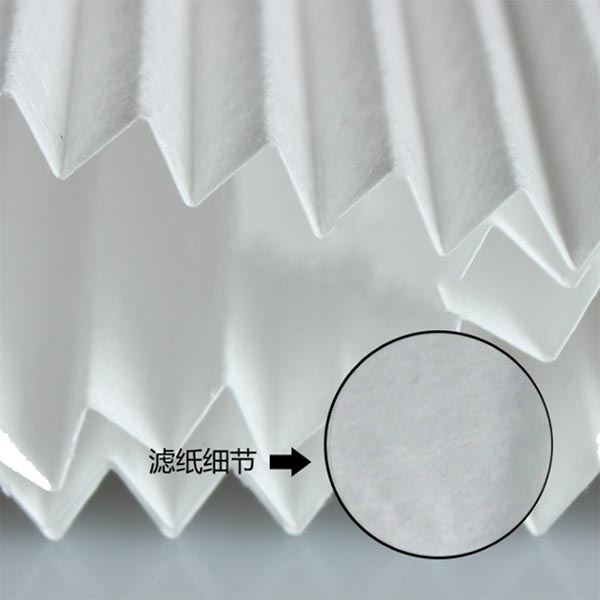
In simple terms, filter rolls media are continuous sheets or rolls of specialized material designed for filtration. These can be made of fibers like polyester, polypropylene, or glass fibers, often engineered with specific porosity, layering, and surface treatments to trap particles effectively.
Think of it as a giant, flexible sponge—not for liquids only but for particles suspended in air or fluids. Industries rely on these rolls for creating custom-sized filters adapted for HVAC systems, industrial dust collectors, face masks, and even water filtration devices. In humanitarian contexts, they can be vital components in portable water purification systems or emergency air filters.
Core Components That Make Filter Rolls Media Work
- Durability: Resistant to physical wear and chemical exposure, making these media dependable across tough industrial conditions.
- Particle Retention Efficiency: Ability to trap various particle sizes — from large dust down to microscopic pathogens.
- Breathability/Flow Rate: Balancing efficient filtration with minimal airflow resistance, crucial for energy savings in HVAC systems.
- Moisture Resistance: Many applications, especially water filtration, demand media that won't degrade when wet.
- Customizability: Media that can be tailor-made in thickness, fiber type, and chemical treatments for specific tasks.
Together, these factors define how well filter rolls media performs in practical settings—from powering clean-room environments to filtering exhaust gases in a manufacturing plant.
Mini takeaway: The secret sauce of filter rolls media is how it marries performance and adaptability, fitting a broad array of stringent filtration needs.
Real-World Applications: From Industrial Giants to Disaster Relief
Filter rolls media finds itself everywhere. In North America and Europe, heavy industries like automotive paint shops, power plants, and pharmaceutical manufacturing all rely on finely tuned filter rolls to maintain air quality and product purity.
Meanwhile, in Asia-Pacific, one of the fastest-growing markets, filter rolls are crucial in water treatment plants and developing clean energy sectors, filtering particulates to protect delicate equipment and ensure compliance with rising environmental standards.
Oddly enough, NGOs and disaster response teams have also leaned heavily on advanced filter rolls media. Imagine a flood sweeping through a region with compromised water supplies. Portable filtration units equipped with these filter rolls provide safe drinking water quickly — a literal lifeline for affected communities.
I once read a case where filter rolls media was used in temporary shelters post-hurricane to improve indoor air quality drastically. That kind of on-the-spot adaptability is becoming more important as climate change intensifies natural disasters globally.
Mini takeaway: The reach of filter rolls media extends well beyond factories, supporting health and safety in remote, vulnerable zones too.
Advantages & Long-Term Value: More Than Just a Filter
From a practical viewpoint, the benefits are palpable:
- Cost Efficiency: Using rolls means less waste and easier customization, saving money on raw materials and labor.
- Sustainability: Many manufacturers now produce eco-friendly, recyclable filter media, helping reduce landfill burden.
- Reliability: When filters perform consistently, safety risks drop, boosting worker confidence and regulatory compliance.
- Social Impact: Cleaner environments mean healthier communities, improved worker productivity, and a better quality of life.
And there’s an emotional dimension too — trust in a company that cares about air and water safety resonates deeply with customers and employees alike, fostering brand loyalty.
Filter Rolls Media: Product Specification Table
| Specification |
Typical Range |
Notes |
| Material Types |
Polyester, Polypropylene, Glass Fiber |
Depending on application & filtration needs |
| Thickness |
0.5mm – 5mm |
Adjusts air/water flow & retention |
| Filtration Efficiency |
Up to 99.97% (HEPA grade) |
Varies by fiber density & layering |
| Roll Width |
0.5m – 3m+ |
Supports custom cutting and sizing |
| Moisture Resistance |
Hydrophobic or Hydrophilic variants |
Selected by application environment |
How Do Leading Vendors Stack Up?
| Vendor |
Range of Materials |
Custom Services |
Sustainability Focus |
Global Reach |
| CleanAir Solutions |
Polyester, Glass Fiber |
Custom roll sizes & surface treatments |
Yes – Biodegradable options |
North America, Europe |
| GlobalFiltrates Inc. |
Polypropylene, Multi-layer blends |
R&D prototype development |
Moderate, working on recycling |
Asia-Pacific, Europe |
| EcoFilter Tech |
Recycled PET, Composite Media |
Custom composite layering |
Strong – Zero waste policy |
Europe, North America, Select APAC |
Exciting Trends & Future Innovations in Filter Rolls Media
Digital transformation is starting to touch this sector in interesting ways. Smart filters incorporating sensors that assess particulate buildup in real-time help managers switch filters proactively rather than reactively. Then there’s a growing shift towards greener materials — biopolymers and recycled fibers are gaining traction, helping reduce not just what filters trap, but the filters’ own environmental footprints.
Automation in production means more consistent and higher-quality filter rolls, lowering defects and improving lifespan. Coupled with tighter quality controls and innovative surface coatings that repel bacteria or chemically neutralize toxins, the future looks quite promising.
Addressing Challenges: What Holds Filter Rolls Media Back?
Despite many advances, challenges remain. Some media degrade faster under harsh chemical exposure, which can limit use in very aggressive industrial settings. Others may clog quickly without proper pre-filtration, reducing service life and increasing operational costs.
Experts suggest thorough field testing tailored to specific use cases and incorporating modular filter solutions that combine several media layers to overcome these limits. There’s also a push for improved recycling programs to address filter waste, a big deal in sectors using disposable filters.
FAQs About Filter Rolls Media
- Q: What factors should I consider when choosing filter rolls media for air filtration?
- A: Look at filtration efficiency (particle size capture), airflow resistance, durability within your environment (temperature, humidity), and compatibility with your existing systems. Customizable media often provide greater flexibility.
- Q: How long does filter rolls media typically last in industrial usage?
- A: It depends on application, but usually between 3 months to 12 months under normal operating conditions. Regular inspections and maintenance can extend longevity.
- Q: Are biodegradable filter rolls media available for eco-conscious industries?
- A: Yes, some vendors now offer biodegradable or fully recyclable media, especially those using plant-based fibers or post-consumer recycled plastics.
- Q: Can filter rolls media be used in portable water filtration systems for emergencies?
- A: Absolutely. Their lightweight and customizable nature makes them ideal for compact, high-efficiency filtration units deployed in disaster zones.
- Q: Where can I find trusted filter rolls media suppliers?
- Established vendors often provide certifications like ISO 9001 for quality and ISO 14001 for environmental management. It’s good to review their case studies and speak directly with their technical teams.
Wrapping Up
Filter rolls media may seem humble, but its global role is anything but. It supports industry, protects health, and enables quick humanitarian aid alike — a versatile, essential piece of the puzzle in creating a cleaner, safer world.
For cutting-edge filter rolls media designed to fit your unique needs, visit our website: filter rolls media. Clean air and pure water begin here, and the future, frankly, looks clearer already.
References
- World Health Organization - Air pollution
- ISO Standards for Air Filters
- UN Environment Programme - Global Environment Outlook