Understanding HEPA Paper: Why It’s Gaining Global Attention
When you think of air filters or super-clean environments, “HEPA” probably comes to mind — those high-efficiency particulate air filters we hear about in hospitals or airplane cabins. But less well-known is something called
hepa paper. It’s basically the heart of HEPA filters, the material that traps particles millions of times smaller than a grain of sand. Globally, as industries like healthcare, manufacturing, and even disaster relief tighten their air purity standards, understanding hepa paper’s role becomes crucial.
Why? Because the quality of this paper directly affects air quality, safety, and even lives. In many ways, it symbolizes a quiet revolution in how we keep environments clean — not just in bustling cities but also in remote or emergency settings where clean air isn’t just a preference, but a necessity.
---
HEPA Paper in Context: A Global Issue of Air Quality
Air pollution is an acknowledged global crisis. According to the World Health Organization, 99% of the world’s population breathes air exceeding recommended pollution limits. This isn’t just smog in cities; microscopic particles infect indoor environments too. That’s where hepa paper comes in. Globally, industries ranging from pharmaceuticals to disaster-response agencies rely on HEPA filtration standards set by ISO and other bodies to protect people and workers.
But here’s the twist: not all HEPA filters are created equal. The secret sauce is really the hepa paper embedded inside them. It’s this paper’s structure, fiber orientation, and density that dictate the filter’s efficacy. Without rigorous manufacturing and quality control, even certified “HEPA” filters might underperform, leaving some of those tiniest, nastiest pollutants right where we don't want them.
So, understanding hepa paper isn’t just technical jargon — it’s a matter of public health, safety, and increasingly, social responsibility.
---
What Is HEPA Paper, Really?
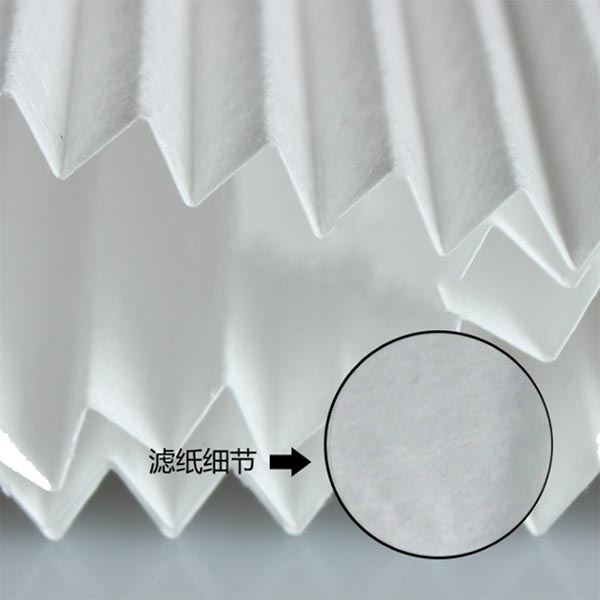
In simple terms, hepa paper is a specialized filter medium made from ultra-fine glass microfibers, arranged randomly to create a dense, maze-like barrier. Think of it as a microscopic spider web that catches dust, allergens, bacteria, and even airborne viruses while letting clean air pass through. It’s the unsung hero inside your air purifiers, hospital ventilation systems, and even some vacuum cleaners.
Its properties are closely linked to modern industry needs. As manufacturing becomes more sensitive—especially semiconductor plants or pharmaceutical cleanrooms—the demand for reliable hepa paper grows. Plus, the humanitarian sector, especially in emergency shelters or field hospitals, depends on something light, effective, and disposable for rapid deployment.
---
Durability: Living Up to the Challenge
Unlike paper you scribble notes on, hepa paper must endure harsh conditions—moist environments, temperature fluctuations, even chemical exposures—without losing integrity. This durability ensures filters won’t tear or degrade prematurely, which would compromise air quality and safety, especially in critical settings.
---
Filtration Efficiency: The Real Measure
HEPA’s magic number is typically 99.97% efficiency for particles as small as 0.3 microns. This number isn’t guesswork but a testament to how well the hepa paper traps the microscopic nasties. In practice, achieving this requires a perfect balance of fiber size, thickness, and pleating technique.
---
Scalability and Cost Efficiency
Interestingly, producing high-grade hepa paper isn’t just about fancy lab processes. Many manufacturers juggle costs by adjusting fiber blends or layering techniques to scale production. This balance ensures the filters stay affordable without sacrificing quality — a tricky dance many suppliers try to perfect.
---
Environmental Sustainability
As sustainability becomes non-negotiable, hepa paper makers explore biodegradable fibers or recycled content. Oddly enough, while glass microfiber production can be energy-intensive, recent advances are helping reduce the carbon footprint — a promising trend for a product that’s traditionally ‘one-use’.
---
Where Does HEPA Paper Make the Biggest Impact?
Globally, hepa paper-enabled filtration sees action everywhere. Hospitals use it in operating rooms for sterile environments. In post-disaster operations—think typhoon-hit Southeast Asia or wildfire-prone California—portable HEPA filters protect displaced populations from smoke and airborne pathogens.
Industrial giants in East Asia and Europe implement hepa paper in cleanroom air handlers, guaranteeing defect-free semiconductor chips or pharmaceutical products. Even in homes and schools, where indoor air quality directly affects children’s health, hepa paper filters improve respiratory outcomes.
Plus, organizations like the United Nations and WHO promote clean air standards that indirectly fuel the demand for better filtration, making the global supply chain for hepa paper a vital link in public health.
---
Mini Takeaway
- HEPA paper is deeply woven into the fabric of protecting health worldwide — from high-tech industry to humanitarian aid.
- Its quality directly impacts air purity, making it a critical material in clean air solutions.
---
HEPA Paper Product Specifications: A Closer Look
| Specification |
Typical Values |
| Fiber Diameter |
0.5 - 2.0 microns |
| Filter Efficiency (0.3µm) |
≥ 99.97% |
| Thickness |
0.8 - 1.5 mm |
| Temperature Resistance |
Up to 200°C (continuous) |
| Airflow Resistance |
15 - 30 Pa @ 5.3 cm/s |
| Material |
Glass Microfiber |
---
Comparing Leading HEPA Paper Suppliers
| Supplier |
Quality Grade |
Price Range (USD/kg) |
Sustainability Initiatives |
Global Reach |
| FiberTech Inc. |
Premium |
25 - 35 |
Closed-loop recycling |
North America, Europe, Asia |
| ClearFilter Solutions |
Standard |
15 - 25 |
Energy-efficient production |
Europe & Middle East |
| AsiaFibre Corp. |
Economy |
10 - 18 |
Limited bio-based fiber tests |
Asia, Australia |
---
Why Choose HEPA Paper? The Advantages that Matter
If you need proof that hepa paper isn’t just “another material,” consider this:
-
Reliability: Meeting stringent standards means confidence in critical environments—when patients or products depend on clean air, failure isn’t an option.
-
Health Impact: From the allergies this paper suppresses to infection control in hospitals, its benefits directly translate to quality of life.
-
Innovation Driver: Some engineers argue that without improvements in hepa paper, innovations like portable negative pressure rooms or field hospitals wouldn’t be possible.
-
Sustainability: Cutting-edge producers balance durability and disposability without overwhelming landfills.
-
Cost-Effectiveness: Though not the cheapest component, investing in quality hepa paper reduces filter replacements and operational downtime.
---
Emerging Trends That Will Shape HEPA Paper’s Future
Technology marches on, and hepa paper is evolving:
-
Nanofiber Enhancements: Adding nanofibers increases filtration without choking airflow.
-
Smart Filters: Sensors embedded for real-time performance monitoring—sounds futuristic, but the pieces are falling into place.
-
Green Manufacturing: More producers aim for cradle-to-cradle certification, minimizing waste.
-
Customization: Filters designed specific to pollutant profiles, like wildfire smoke or urban smog—tailored hepa paper, if you will.
---
Addressing the Common Challenges
Despite these benefits, many users find:
-
Fragility: Handling ultra-thin hepa paper requires care; improper handling can cause damage and performance drop.
-
Cost Pressure: Budget constraints in humanitarian or start-up environments sometimes lead to compromises with lower-quality paper.
Experts suggest:
- Training end-users on installation workflows.
- Collaborating with reputable suppliers who balance cost and quality.
- Exploring hybrid materials for enhanced strength.
---
FAQs About HEPA Paper
1. What exactly makes hepa paper different from regular filter materials?
HEPA paper’s ultra-fine glass microfibers and dense random fiber structure give it the ability to trap even the tiniest airborne particles (0.3 microns or smaller), which ordinary filter materials can’t capture reliably.
2. How long does a HEPA filter with quality hepa paper last?
Typically, a HEPA filter can last from 6 months to 2 years depending on air quality, usage, and maintenance. The durability of the hepa paper itself is usually much longer, but overall filter lifespan depends on additional components.
3. Is HEPA paper reusable or washable?
Generally, no. Washing hepa paper damages its delicate fiber structure, reducing efficiency. Filters with hepa paper are considered disposable though some designs allow cartridge replacement.
4. Can HEPA paper filters remove viruses like COVID-19?
Yes, because of its high particle capture efficiency, hepa paper filters significantly reduce airborne viral particles, supporting infection control in indoor environments.
5. How do I ensure I am buying genuine HEPA paper?
Trust suppliers with certifications (ISO 29463, UL 900, or similar), request product datasheets, and consider sourcing from established manufacturers with traceable quality control.
---
Wrapping Up: Why HEPA Paper Will Stay Vital
HEPA paper is a fascinating blend of science, manufacturing, and real-world urgency. It quietly filters the air we breathe — in places from sterile labs to emergency shelters — offering health, peace of mind, and innovation in one fine sheet.
To dive deeper or source high-quality
hepa paper for your next project, visit our website: https://www.mfiltersolution.com. Because clean air isn’t just a luxury — it’s a right.
---
Final Thoughts
Oddly enough, despite being ‘just paper’, it’s this fine matrix that underpins some of humanity’s safest spaces today. As we face global challenges like pandemics and pollution, hepa paper quietly endures — evolving, adapting, protecting. Kind of inspiring, really...
---
References
- World Health Organization: Air Pollution Facts
- Wikipedia: HEPA
- ISO 29463: High-efficiency filters and filter media