


Mar . 04, 2026
The demand for clean air is constantly increasing, driving the growth of the air filtration industry. A crucial component in this industry is the production of high-quality air filters, and the PU air filter making machine plays a pivotal role in achieving that. This article provides an in-depth look at PU air filter making machines, their benefits, applications, and what to consider when choosing the right one. Understanding these machines is vital for businesses looking to streamline filter production and meet evolving market demands.
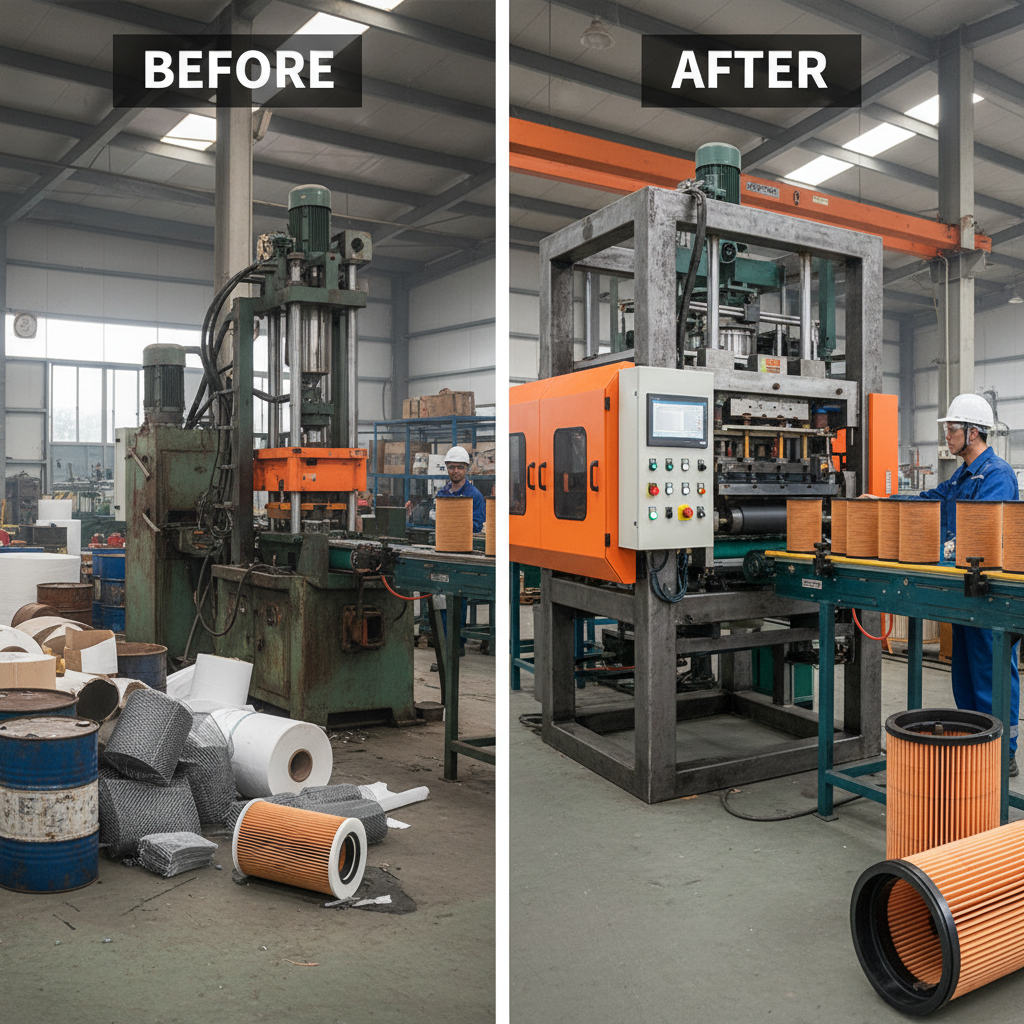
A PU (Polyurethane) air filter making machine is an automated system designed to produce air filters using polyurethane foam. These machines typically involve processes like foam cutting, frame assembly, and sealing. They are essential for mass-producing filters with consistent quality and efficiency. The machines cater to various filter types, including those used in HVAC systems, automotive applications, and industrial air purification. Investing in a reliable PU air filter making machine can significantly reduce labor costs, increase production capacity, and improve product uniformity.
Utilizing a PU air filter making machine offers numerous advantages. Automation reduces the need for manual labor, thereby minimizing errors and increasing throughput. The machines ensure consistent filter dimensions and material distribution, leading to higher product quality. Moreover, they are adaptable to different filter sizes and designs, allowing for production flexibility. Reduced material waste through precise cutting and efficient foam utilization further enhances cost-effectiveness. Investing in such technology can provide a significant competitive edge in the air filter market.
Key Highlights: Automation reduces the need for manual labor, ensure consistent filter dimensions and material distribution and adaptability to different filter sizes and designs.
There are several types of PU air filter making machines available, each designed for specific production needs. Some machines are fully automated, handling the entire production process from foam cutting to filter assembly. Others are semi-automated, requiring some manual intervention. Key features to consider include production capacity (filters per hour), filter size range, level of automation, and the type of control system (PLC, touch screen). Advanced machines may also incorporate features like automatic defect detection and data logging for quality control purposes. Understanding these variations is crucial for selecting the machine that best aligns with your business objectives.
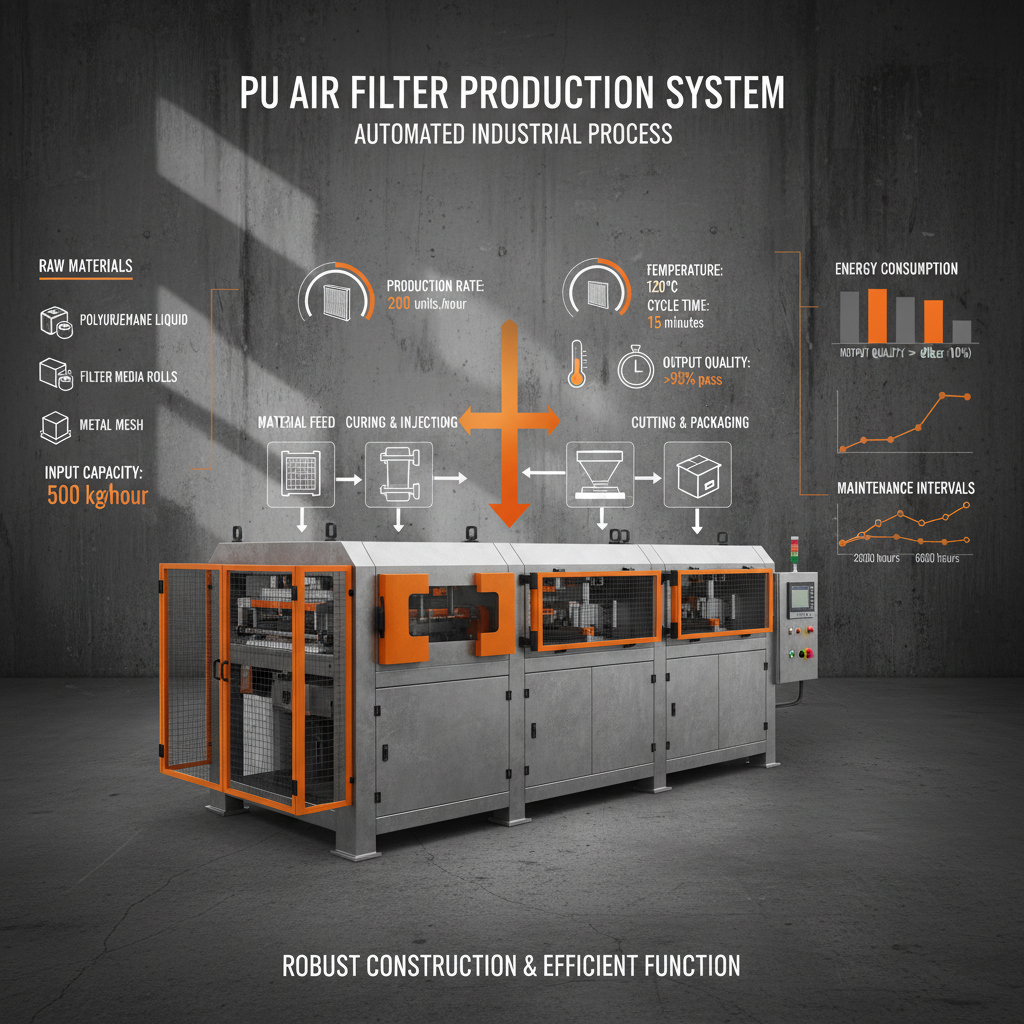
Choosing the right machine requires careful consideration of several factors. First, assess your production volume and future growth projections. A machine with excess capacity may be costly, while one with insufficient capacity will hinder expansion. Second, evaluate the types of filters you intend to produce. Ensure the machine can handle the required filter sizes, shapes, and materials. Third, consider the level of automation you need, balancing cost with efficiency gains. Finally, research reputable suppliers like M Filter Solution, and request detailed specifications and demonstrations before making a purchase.
Investing in a PU air filter making machine is a strategic move for businesses seeking to enhance production efficiency, improve product quality, and meet the growing demand for clean air solutions. By carefully evaluating your needs and selecting a machine from a reputable supplier, you can unlock significant benefits and gain a competitive advantage in the market.
Regular maintenance is crucial for ensuring optimal performance and longevity. This includes daily cleaning of the machine, lubricating moving parts, and inspecting belts and filters. Periodic checks of the control system and electrical components are also essential. Refer to the manufacturer's manual for a detailed maintenance schedule. Preventative maintenance can significantly reduce downtime and extend the lifespan of the machine. M Filter Solution provides comprehensive support and maintenance services for its machines.
Safety is paramount in machine design. Typical safety features include emergency stop buttons, safety guards to prevent access to moving parts, and overload protection systems. Some machines also incorporate light curtains or laser scanners to detect intrusions and automatically halt operation. Proper training for operators is essential to ensure they understand and utilize these safety features effectively.
The payback period varies depending on production volume, labor costs, and the level of automation. However, businesses can typically expect to recoup their investment within 1-3 years. The savings from reduced labor, increased efficiency, and improved product quality contribute to a faster payback. A detailed cost-benefit analysis should be conducted to determine the specific payback period for your operation.
Yes, most PU air filter making machines can be adjusted to produce filters of varying densities. This is typically achieved by controlling the amount of polyurethane foam dispensed during the manufacturing process. Advanced machines may offer precise control over foam density, allowing for the creation of filters tailored to specific application requirements.
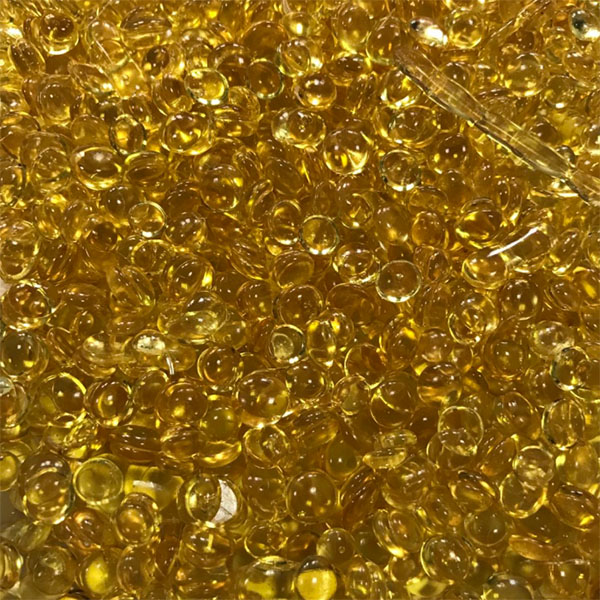
High-Performance Hot Melt Adhesive for Automated Production Lines
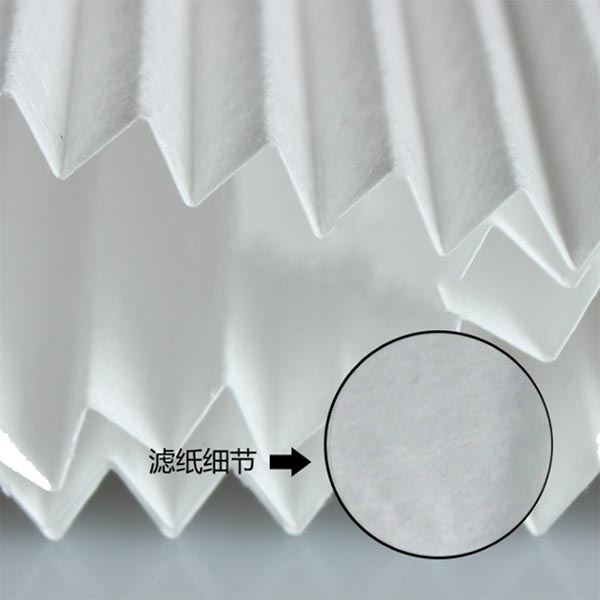

High Quality Air Filter Producing Machine: Ultimate Guide to Features, Vendors & Trends


