Nov . 19, 2024
Wastewater Treatment Plant Products The Key to Sustainable Water Management
Wastewater treatment plants (WWTPs) play an essential role in modern society by ensuring that water is purified before being released back into the environment. These facilities are designed to treat sewage and industrial waste, transforming them into products that can be safely discharged, reused, or recycled. The process not only protects public health and the environment but also contributes to the creation of valuable resources. This article explores the various products generated by wastewater treatment plants and their significance in promoting sustainable water management.
Wastewater Treatment Plant Products The Key to Sustainable Water Management
Another vital product from WWTPs is biosolids, which are the solid byproducts generated during the treatment process. These stabilised organic materials are rich in nutrients and can be used as fertilizers or soil amendments in agriculture and landscaping. By recycling biosolids, wastewater treatment plants can help reduce the need for synthetic fertilizers, which often contribute to environmental problems such as nutrient runoff and soil degradation. Properly treated biosolids can boost soil health, improve crop yields, and promote sustainable agricultural practices.
Furthermore, wastewater treatment plants are increasingly embracing the concept of resource recovery, which focuses on extracting valuable materials from waste streams. This includes the recovery of biogas, a renewable energy source produced during the anaerobic digestion of organic waste. Biogas can be harnessed to generate electricity, heat, or even vehicle fuel, thus reducing dependence on fossil fuels and contributing to a more sustainable energy future. The ability to generate energy from waste transforms treatment plants from mere waste disposal facilities into active players in the energy sector.
In addition to water, biosolids, and biogas, WWTPs can also recover nutrients, such as nitrogen and phosphorus, through innovative processes. These nutrients are essential for plant growth but can contribute to water quality issues, such as algal blooms, when released in excess into the environment. By reclaiming these vital resources, wastewater treatment plants can mitigate environmental harm while providing renewable sources of fertilizers for agriculture.
The products generated by wastewater treatment plants represent a fundamental shift toward a circular economy, where waste is seen as a resource rather than a burden. By investing in advanced treatment technologies and resource recovery initiatives, we can maximize the benefits of wastewater treatment and contribute to global sustainability goals. As cities grow and face increasing water scarcity challenges, the role of wastewater treatment plants will become even more critical.
In conclusion, wastewater treatment plants are not just facilities for disposing of waste; they are essential components of sustainable water management systems. The treated effluent, biosolids, biogas, and recovered nutrients produced by these plants offer valuable resources that can support agriculture, energy production, and water conservation efforts. By embracing innovation and responsible resource management, wastewater treatment plants can help pave the way toward a more sustainable and resilient future.
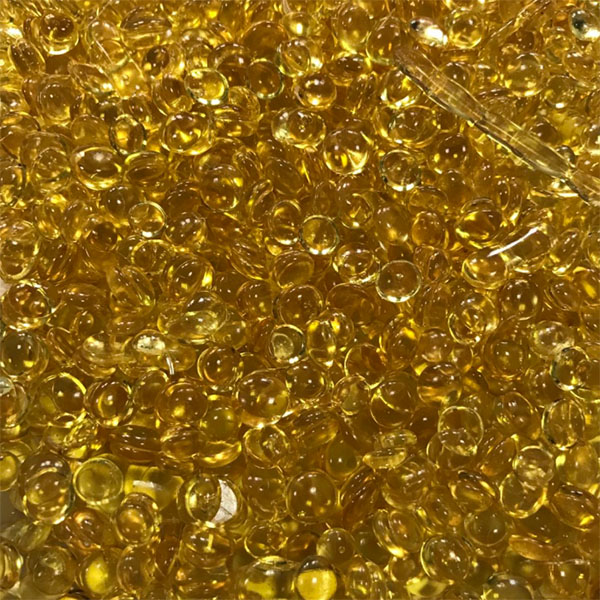
High-Performance Hot Melt Adhesive for Automated Production Lines


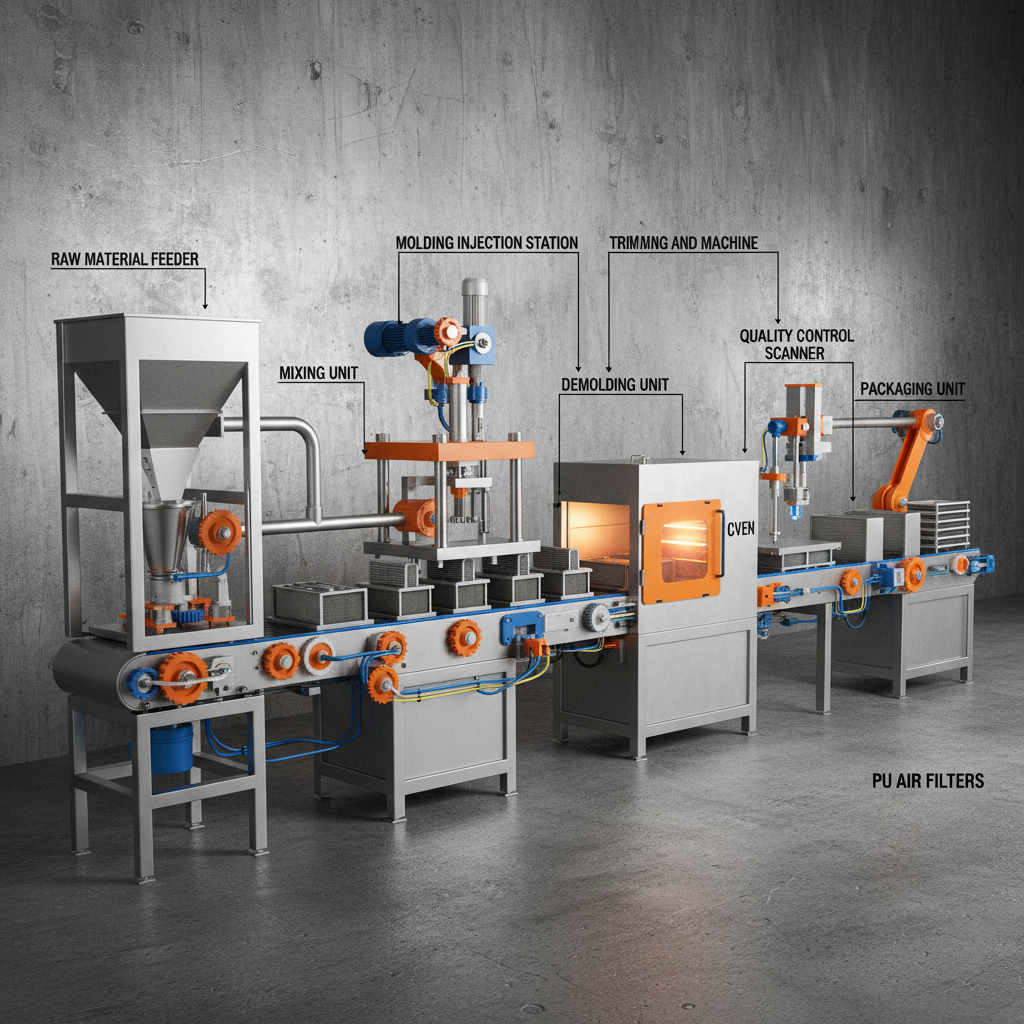
Comprehensive Guide to High Performance PU Air Filter Producing Machines